Category: Bathroom Mould Removal

  • How to Stop Bathroom Mould

    How to Stop Bathroom Mould

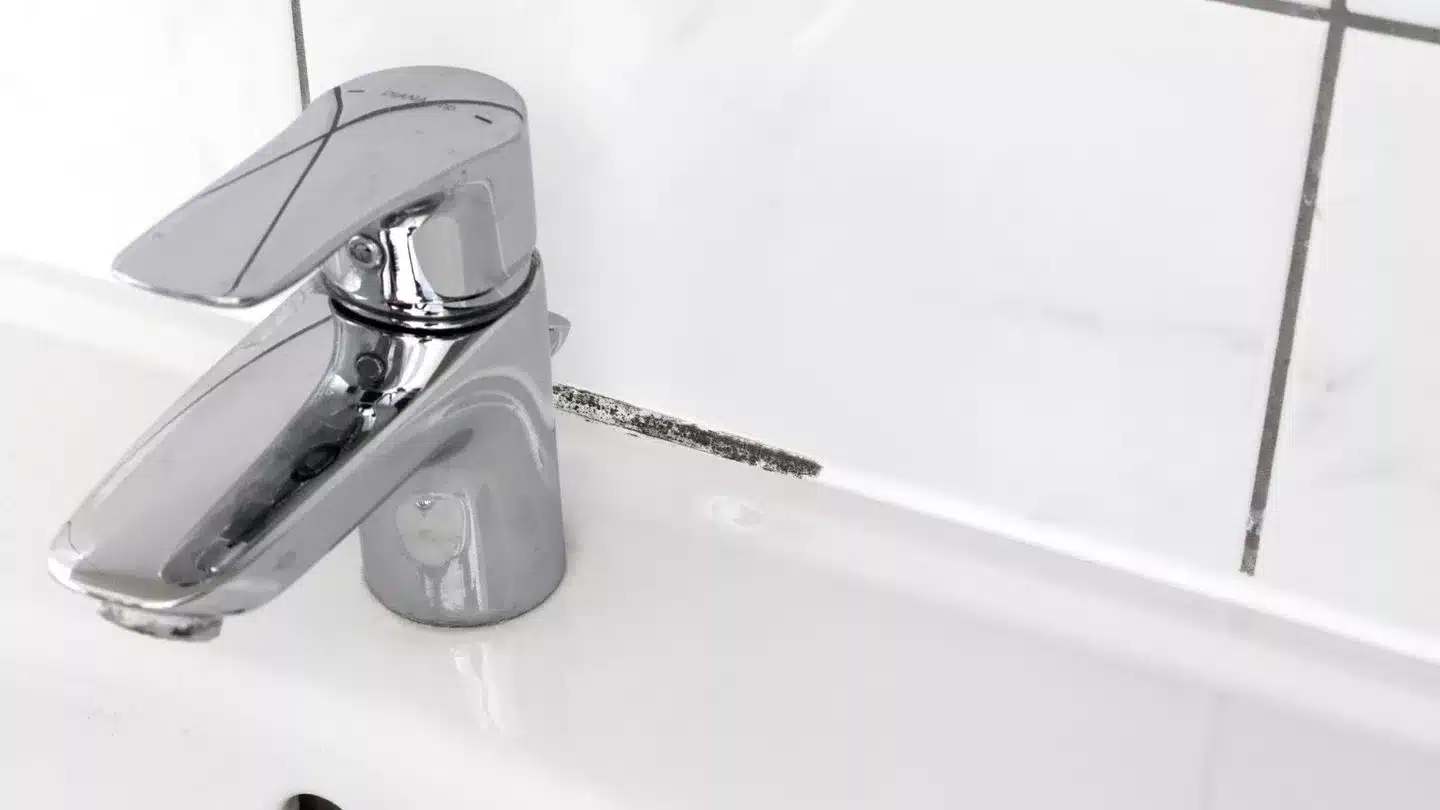
    Learning how to stop bathroom mould can be a daunting task.


    The very thought of those unsightly black spots spreading across your pristine white tiles is enough to make anyone shudder.


    Tackling bathroom mould, however, separates the occasional cleaner from the diligent homeowner. But if you don’t know how to effectively combat this common issue, you’ll never achieve that sparkling clean sanctuary you dream of.


    Fighting off bathroom mould is challenging.


    Consider one frustrated homeowner who shared with me their tale of spending hours scrubbing away at stubborn patches… only for them to reappear just days later.


    This constant battle left them feeling defeated and worried they’d never learn how to stop bathroom mould in its tracks.


    No surprise there!


    🚨 STOP: Do not attempt DIY mould removal if any of the following apply:

    • You have health issues caused by mould
    • The mould area is greater than 1 meter squared
    • You have recurring mould growth
    • You have mould in multiple areas
    • You are pregnant or have small children
    • You have respiratory issues like asthma

    Mould can be extremely hazardous if improperly handled. If any of the above conditions apply to you, call our professional team immediately on 0203 130 4068 for safe, effective mould remediation. Don’t risk your health – we’ll take care of it!


    Table of Contents:


    If you are looking for an expert to remove mould from your property, call us on 0203 130 4068.


    Understanding Bathroom Mould


    Bathroom mould, a widespread issue homeowners frequently grapple with, thrives in the moist and humid conditions typically found in bathrooms. This environment is particularly conducive to black mould growth.


    The most common bathroom invader is black mould, or Stachybotrys chartarum as it’s scientifically known. Despite its ominous name and dark hue, it doesn’t pose any greater risk than other types of mould unless you’re asthmatic or have specific allergies.


    Mould finds damp environments like your bathroom irresistible because they provide plenty of moisture and poor ventilation – ideal for their proliferation. Excess moisture can originate from several sources such as steamy showers, leaky toilets or wet towels left lying around which makes areas like shower fixtures, tile grout lines and behind bathroom rugs prime spots for these unwelcome guests.


    Common Types of Bathroom Moulds


    In addition to our infamous friend Black Mould (Stachybotrys), there are also some other uninvited guests that love hanging out in your bathrooms:


    • Aspergillus: This type loves the constant water exposure on walls and tiles.
    • Penicillium: A fan of cooler climates; often found munching away at wallpaper glue or decaying fabrics like old bath mats.
    • Candida: Prefers warm humid places such as sinks bathtubs; usually white rather than greenish-black unlike Aspergillus Penicillium.


    All these varieties adore excess moisture but each indicates different underlying issues: either inadequate ventilation (Aspergillus), cold spots leading to condensation (Penicillium) general uncleanliness (Candida).


    Favourable Conditions for Mould Growth


    To effectively combat the occurrence of bathroom mould one must understand what causes it in the first place. Three key factors contribute significantly:

    1. An organic food source: Building materials used in home construction contain cellulose

    The Health Risks Associated with Mould Exposure


    When it comes to bathroom mould, the potential health risks can be significant. This is particularly true for those who have pre-existing respiratory conditions or allergies. The danger intensifies when mould releases spores into the air which are then inhaled by individuals.


    A variety of reactions may occur from inhaling these airborne spores – ranging from mild allergic responses to severe asthma attacks. Long-term contact with mould could potentially bring about prolonged respiratory issues, for instance bronchitis and pneumonia. It’s crucial that homeowners understand this threat posed by mould exposure.


    Recognising Symptoms of Mould Exposure


    Bathroom moulds produce allergens (substances causing an allergic reaction), irritants and sometimes toxic substances known as mycotoxins affecting your health over time.


    Symptoms vary greatly depending on individual sensitivity levels but common signs include coughing, sneezing, skin irritation and worsening asthma symptoms. More serious cases might experience headaches, fatigue or persistent chest tightness.


    If anyone in your household starts showing these symptoms without any apparent reason like seasonal allergies or colds, a hidden mould problem within damp areas like bathrooms could be indicative. Early detection followed by prompt removal action becomes key here for protection against harmful effects caused due to prolonged mould exposure.


    Facing Potential Long-Term Health Impacts


    Prolonged contact with bathroom mould does not only result in immediate symptoms but also poses long-term health risks including chronic lung diseases or other serious complications such as hypersensitivity pneumonitis – an inflammation causing illness resembling bacterial pneumonia.


    This risk is higher among those already suffering from existing respiratory problems like COPD patients whose lungs are more susceptible towards infections making them vulnerable targets for airborne mould spores released during showers taken under infested conditions.


    In extreme cases, continuous inhalation might even lead towards the development of invasive pulmonary aspergillosis – a life-threatening condition where fungus invades lung tissues causing substantial damage. Therefore, maintaining regular check-ups along with ensuring proper cleanliness measures becomes


    Key Takeaway: 


    Bathroom mould isn’t just unsightly, it’s a health hazard too. It can trigger allergies, worsen respiratory conditions and even lead to serious lung diseases. If you’re coughing or sneezing inexplicably, check for hidden mould. Remember: early detection and prompt removal are crucial.

    Preventing Mould Formation in Your Bathroom


    Bathroom mould, especially the notorious black mould, can seem like a daunting issue to tackle. However, with some strategic steps and regular practices in place, you can effectively prevent this unwelcome guest from making your bathroom its home.


    Let’s walk through these key strategies that will help keep your bathroom free of common bathroom moulds and create a healthier environment for all users.


    Ventilation: The First Line of Defence Against Moisture


    The first step towards preventing excess moisture – the primary culprit behind most instances of household mould formation – is ensuring proper ventilation within your bathrooms. But how exactly does one go about achieving optimal air circulation?


    You could consider installing mira showers or exhaust fans, which are designed to reduce condensation by expelling moist air outside. Alternatively, dehumidifiers work well too; they control humidity levels thereby reducing chances for dampness-induced fungal growth significantly.


    An often overlooked but equally effective solution involves using damp control crystals – these little wonders absorb surplus water present around them thus maintaining an ideal balance between dryness & wet conditions inside rooms respectively.


    Cleaning Regularly: A Simple Yet Effective Strategy


    To stop the proliferation of pesky fungi on various surfaces such as walls or tiles within our washrooms, we need not look further than adopting diligent cleaning habits ourselves at home. Yes indeed, it’s a simple yet potent strategy against potential infestations.

    Paying special attention during clean-up sessions, particularly focusing upon hidden spots where mould tends to lurk undetected (think tile grout lines/shower fixtures etc.), helps nip the problem bud before it gets out of hand eventually over time.

    Tackling Excess Moisture Head-On:


    Drying up any residual water immediately after use prevents seepage into crevices which might lead to future issues down the line if left unchecked for a long enough period of time. This includes everything from mopping floors post-showering session to wiping countertops following teeth brushing routines each day morning/evening alike. Remember folks, consistency here holds utmost importance

    Key Takeaway: 

    To keep your bathroom mould-free, ensure proper ventilation to combat moisture. Regular cleaning, especially in hidden spots where mould lurks, is vital. Dry any residual water promptly after use and maintain consistency in these practices for best results.

    How to Remove Bathroom Mould Effectively


    Bathroom mould is more than just an unsightly annoyance. It’s a persistent issue that can lead to serious health problems if not addressed promptly and effectively using dedicated commercial mould removal products.


    The bathroom, with its damp environment created by showers, baths, and sinks, serves as the perfect breeding ground for these common nuisances. Hence, it becomes crucial for homeowners or business owners alike to act swiftly upon spotting signs of this unwanted guest.


    Click here to read our full guide on how to remove bathroom mould.


    Dealing with Black Mould


    A particularly stubborn type of bathroom mould you may encounter is black mould. Its dark colour doesn’t necessarily make it more harmful than other types; however, its tenacity makes eradication quite challenging.


    To combat black mould successfully requires stronger mould removal products available in local stores or online marketplaces. But remember: safety first. Always wear rubber gloves when handling these harsh chemicals due to their potential skin irritation effects.


    Re-grouting and Re-sealing Affected Areas


    Cleaning visible areas where black mould resides isn’t enough – there are further steps needed for thorough elimination. One such effective method involves re-grouting tiles affected by stubborn colonies of this invader.

    Professional Help for Serious Mould Infestations


    When the bathroom mould situation escalates beyond simple DIY solutions, it’s time to consider professional help. Our team at Mould Removal London specialises in eradicating all types of bathroom moulds effectively without causing damage to your property.


    Benefits of Using Professional Services


    The first advantage is that professionals bring with them a wealth of expert knowledge about different types of mould and their growth patterns. This expertise allows them to tackle the problem more efficiently than an untrained individual could.


    In addition, they use advanced tools and techniques capable of reaching hidden corners or hard-to-reach areas where common bathroom moulds often lurk unnoticed. These methods ensure complete eradication, preventing further spread within your home.


    Beyond removal, these experts also provide invaluable advice on how you can prevent future infestations by modifying certain habits or making changes around your home environment. Remember: prevention remains key when dealing with issues like black mould in bathrooms.


    Making The Right Choice For Your Home


    Selecting a reliable professional service should not be taken lightly; after all, you’re entrusting someone with maintaining the healthiness of your living space. Look out for companies who have extensive experience dealing specifically with residential properties – this demonstrates understanding towards unique challenges homeowners face compared against commercial spaces such as offices or retail outlets.


    A good indicator would be if they offer bespoke services tailored according to each client’s needs rather than one-size-fits-all solutions which might not fully address specific problems within individual homes.


    Remember: while there are numerous ways you can attempt removing stubborn varieties lurking beneath surface tiles grout lines yourself using dedicated commercial products stronger chemicals (always remember safety precautions like wearing rubber gloves.), severe cases warrant intervention from experienced technicians.


    The team here stands ready to assist whenever needed – we pride ourselves on being able to deliver top-notch services regardless of whether it’s the common black type or other stubborn varieties. Our aim is to restore healthy, clean environments that residents can enjoy, with the peace of mind knowing their bathrooms are free from harmful spores that could potentially trigger respiratory allergies or even asthma attacks.


    So why wait?

    Key Takeaway: 

    When bathroom mould gets beyond a DIY job, it’s time to call in the pros. They’ve got the know-how and gear to root out hidden spores, stop them spreading and give you top tips for keeping your home mould-free. Remember: prevention is better than cure.

    Maintaining a Mould-Free Bathroom


    A mould-free bathroom is not only pleasing to the eye but also essential for your health. This can be achieved through consistent adherence to preventive measures and effective removal techniques.


    Adequate Ventilation Installation


    Firstly, proper ventilation in your bathroom plays an integral role in keeping mould at bay. The installation of fans or air conditioning units reduces humidity levels, which helps prevent condensation – one of the main culprits behind mould growth.


    Regular Cleaning Habits


    Cleaning regularly prevents the build-up of soap scum and grime on surfaces like walls and tiles that could harbour harmful spores. Special attention should be given to tile grout and shower fixtures where these microscopic fungi often lurk unnoticed until they become problematic.


    Managing Excess Moisture


    To further inhibit mould development, it’s crucial to manage excess moisture diligently within the space: dry wet surfaces promptly, hang damp towels outside the room, fix leaky toilets immediately upon detection to avoid creating favourable conditions for proliferation.


    The Need For Effective Removal Techniques & Professional Help When Needed


    • If, despite preventative efforts, signs of infestation persist (such as black spots on walls or a musty smell even after thorough cleaning), stronger action may be required, including the use of more potent commercially available anti-mould products.
    • In severe cases, don’t hesitate to seek professional assistance from experts who have vast experience dealing with stubborn common types like black moulds, using advanced tools and techniques, besides providing invaluable tips about future prevention strategies.

    Hiring Mould Removal Professionals…


    Sometimes the situation calls for professionals to handle the job effectively and safely… Remember, no amount spent safeguarding one’s health could ever be considered too much. So if you find yourself struggling to remove persistent colonies, particularly troublesome varieties like Black Mould, then it’s time to call the experts and let them take care of the problem professionally, leaving you with a sparkling clean and healthy environment to enjoy worry-free. And of course, maintaining these practices consistently will ensure it stays that way in

    Key Takeaway: 


    Keep your bathroom mould-free with regular cleaning, proper ventilation and moisture management. If these measures fail to curb the issue, don’t be shy about calling in professionals for a thorough clean-up. Remember, maintaining a healthy environment is priceless.

    FAQs in Relation to How to Stop Bathroom Mould


    Why do I keep getting mould in my bathroom?


    Bathrooms are prone to mould due to high humidity and condensation from showers, baths, and sinks. Poor ventilation exacerbates the issue by trapping moisture.


    How do I prevent black mould in my bathroom?


    To prevent black mould, ensure good ventilation, manage excess moisture promptly, and clean regularly using anti-mould products. Fix leaks immediately as dampness encourages growth.


    Conclusion


    Understanding bathroom mould is the first step towards tackling it.


    We’ve explored its types, especially black mould, and how bathrooms provide an ideal environment for its growth.


    The health risks associated with mould exposure are real – respiratory issues can arise when spores infiltrate our air.


    Preventing mould formation in your bathroom hinges on proper ventilation and regular cleaning practices.


    Managing excess moisture is crucial too; remember to dry wet surfaces promptly and fix leaky fixtures without delay.


    If you’re dealing with existing bathroom mould, commercial removal products could be your saviour. Just don’t forget those rubber gloves!


    In cases of stubborn black mould or severe infestations, professional help might be necessary. It’s all about knowing when DIY methods fall short and expert intervention becomes essential.


    Maintaining a mould-free bathroom requires consistency in applying these strategies but trust us – it’s worth every effort!


    Mould Removal London, our specialised service provides effective solutions to stop bathroom mould once and for all. With advanced tools & techniques at our disposal coupled with extensive knowledge about different types of moulds, we ensure complete eradication without causing any harm.

  • Effective Steps: How to Remove Mould from uPVC Window Frames

    Effective Steps: How to Remove Mould from uPVC Window Frames

    Learning how to eliminate mould from uPVC window frames can appear to be a challenging task.


    The sight of those black or white spots on your otherwise pristine windows is enough to make anyone shudder.


    But here’s the thing…


    You’re not alone in this battle against mould. In fact, it’s a common issue faced by many homeowners and residents alike, especially in damp climates.


    Fear not!


    We’re about to dive into the nitty-gritty of mould removal.


    🚨 STOP: Do not attempt DIY mould removal if any of the following apply:

    • You have health issues caused by mould
    • The mould area is greater than 1 meter squared
    • You have recurring mould growth
    • You have mould in multiple areas
    • You are pregnant or have small children
    • You have respiratory issues like asthma

    Mould can be extremely hazardous if improperly handled. If any of the above conditions apply to you, call our professional team immediately on 0203 130 4068 for safe, effective mould remediation. Don’t risk your health – we’ll take care of it!


    Table of Contents:


    If you are looking for an expert to remove mould from your property, call us on 0203 130 4068.


    The Impact of Mould on Health and Home


    Mould, a silent invader that can wreak havoc in your home, poses significant health risks. Particularly for those with allergies or respiratory conditions.


    It’s not just an eyesore on your white uPVC window frames; it has the potential to cause sneezing fits, runny noses, red eyes, and skin rashes. In severe cases, asthma attacks or exacerbation of existing lung problems are possible outcomes from mould exposure.


    A study by NHS highlights how living in damp and mouldy environments could increase chances of developing bronchitis along with other chronic respiratory diseases over time. Therefore, when you spot black spots appearing on your pristine white uPVC windows, immediate action is crucial.


    The Importance of Promptly Addressing Mould Issues


    If left unchecked for too long periods without intervention using approved mould removers, these pesky moulds will continue damaging not only the aesthetic appeal but also potentially spread further into surrounding areas, causing even more damage both aesthetically as well as structurally within homes.


    According to research from CDC (Centers for Disease Control), early detection coupled with swift removal actions play key roles in successfully managing any burgeoning mould problem.


    Homeowners must take this issue seriously right away before they get out-of-hand, especially if babies or elderly people reside there who might be susceptible to various health issues caused due to their vulnerability against such harmful environmental factors like moulds, etcetera.


    Mould infestation isn’t merely about maintaining physical structures inside houses; rather, its persistent presence may lead to decreased property value because of associated repair costs combined with negative perception among prospective buyers regarding possible hazards linked directly via prolonged exposures itself, thus making remediation an absolute necessity instead of an optional choice considering the longer-term implications involved thereafter.

    Key Takeaway: 


    Don’t underestimate mould’s menacing presence on your uPVC window frames. It’s not just a blight to the eye, but a health hazard that can trigger allergies and respiratory issues. Swift action is key; neglecting it risks structural damage and devalues your property.

    Identifying Mould on Your uPVC Window Frames


    Mould can be a silent infiltrator, subtly appearing as tiny specks of black or white dust that progressively expand in size. It’s crucial to detect these early signs on your white uPVC windows before the mould starts its destructive path.


    In essence, homeowners need to act promptly when they spot discolouration or condensation on their window frames – two key indicators of potential mould growth.


    The Connection Between Humidity and Mould Growth


    An excessively humid environment within homes often encourages rapid multiplication of microscopic fungi organisms leading them into becoming visible colonies we recognise as household mould.


    1. Look out for patches of green, brown, grey or even pinkish hues – this could signal the onset of a problem with mould.
    2. If you see dark spots scattered across surfaces then you’re likely dealing with black mould while crystalline growths are indicative of white mould.
    3. A musty odour similar to wet socks might indicate hidden pockets where dampness has allowed fungal development behind wallpapered walls adjacent windowsill areas too. If there’s more than what meets the eye based solely upon unpleasant smells emanating from around the vicinity, then consider hiring a professional service provider who specialises in identifying and removing all types of harmful species, including those causing health risks to humans and pets alike.

    Detecting Hidden Threats Through Smell

    Effective Cleaning Methods for Removing Mould


    Mould on uPVC window frames isn’t just an unsightly issue, it’s also a potential health risk. It’s essential to tackle this problem promptly and effectively using safe cleaning methods. While bleach is often associated with mould removal, its use should be avoided when dealing with white uPVC windows due to the risk of discolouration.


    The Washing-Up Liquid Technique


    A simple yet effective method in your battle against black mould involves utilising everyday washing-up liquid mixed with warm water. This solution can then be applied onto the affected areas before being scrubbed away gently but thoroughly using a soft-bristled brush.

    In practice, after applying your homemade solution, let it sit for about 10 minutes before rinsing off cleanly under running tap water, ensuring all residue has been removed from the surface, thus preventing any further fungal growths appearing down the line.

    Using White Vinegar


    An alternative strategy that might prove even more successful, particularly when tackling stubborn patches of black or white mould, involves harnessing the natural acidic properties found within undiluted vinegar – known scientifically as acetic acid – which has proven efficacy against a wide range of fungus species, including those responsible for causing household damp problems such as Aspergillus niger and Penicillium chrysogenum, amongst others.


    To utilise, simply apply neat directly onto infected surfaces, leave to stand for approximately an hour, prior to wiping away residual traces with a moist cloth, adding baking soda into the mix if necessary to enhance overall effectiveness whilst simultaneously neutralising unpleasant odours typically accompanying persistent infestations.


    Remember, though, always wear protective gloves during these procedures. Take heed when handling both vinegar and baking soda, as they can cause irritation to the skin, particularly for those with sensitive types. So take care throughout the process to ensure safety first and foremost at every step of the way. Rinse the cleaned sections well afterwards to remove any last remnants and prevent future recurrence, thereby maintaining a clean and healthy living environment for everyone in the home to enjoy.


    Key Takeaway: 


    Don’t let mould mar your uPVC windows. Use washing-up liquid or undiluted vinegar to tackle the fungus. Remember, scrub gently with a soft brush and rinse well to prevent regrowth. Always wear gloves for safety and avoid bleach to dodge discolouration.

    How to Clean Window Sills and Other Surfaces Affected by Mould


    Mould is a pesky invader that doesn’t limit itself to your uPVC window frames. It can spread its spores far and wide, affecting other parts of your home like the often overlooked places such as window sills, walls, bathroom sealant, and even curtains.


    Cleaning mouldy areas effectively requires more than just elbow grease; you need the right tools too. A scrubbing brush, for example, will be invaluable when dealing with stubborn black or white mould on surfaces like window sills. Warm water mixed with washing-up liquid or white vinegar forms an effective solution that helps in removing mould without causing damage.


    Bathroom Sealant Cleaning


    In bathrooms where moisture levels are high due to regular use of hot showers, it’s common for black mould growth on bathroom sealants. An easy yet effective cleaning method involves using baking soda paste applied onto the affected area using an old toothbrush, then rinsed off after about 15 minutes.


    If this DIY approach fails or if extensive damage has been caused by persistent invasion from those pesky black spots we all dread seeing around our homes – consider replacing them entirely but only after addressing underlying issues causing excessive dampness first.


    Curtain Cleaning Tips


    Your lovely drapes aren’t spared either when it comes to these unwelcome guests. For non-machine washable curtains infected with mould spots, try lightly brushing off surface mildew outdoors so as not to disperse spores within your living space, then sponge down gently using a cloth soaked in diluted isopropyl alcohol (remember: always do patch tests).


    You might wonder whether isopropyl alcohol could stain clothes – typically no. Its quick evaporation leaves no residue behind, making it safe for most fabrics, including delicate ones used in curtain making – remember though never soak fabric items directly into pure Isopropyl Alcohol.


    Remember homeowners & residents, especially those who have babies or elderly people living with them, should seek professional help sooner rather than later since they’re likely more susceptible to health risks posed by mould exposure.

    Key Takeaway: 


    When it comes to tackling mould, not just elbow grease but the right tools are needed too. A scrubbing brush and a solution of warm water with washing-up liquid or white vinegar can work wonders on window sills. For bathroom sealants, try a baking soda paste; if that fails, consider replacement after addressing dampness issues. Curtains? Brush off mild

    Professional Help for Persistent Mould Issues


    Mould can be a stubborn adversary, persistently reappearing despite your best cleaning efforts. If you find yourself in this predicament or if the mould covers an extensive area of your home, it’s time to call in the professionals.


    An approved mould remover service provider is equipped with advanced tools and expertise that go beyond surface-level treatment. They tackle not just visible infestations but also address root causes such as airborne spores.


    The Advantage of Expert Intervention


    A professional team conducts thorough inspections across your property to detect signs of black or white mould growth on uPVC window frames and other areas within the house. Using specialised equipment, they are able to uncover hidden dampness behind walls feeding invisible colonies.


    Beyond removing what’s visible on surfaces like white uPVC windows, these experts treat affected regions with antimicrobial agents specifically designed for eradicating residual spores – ensuring long-term freedom from future outbreaks. Approved mould removal services offer comprehensive solutions that DIY methods often fail at providing effectively.


    Fighting Root Causes: Not Just Symptoms


    Tackling persistent problems requires understanding why they keep recurring despite attempts at removal. Professional teams don’t merely clean up; they delve into potential reasons causing recurrent bouts with pesky mould issues around window frames.

    1. This might involve inspecting ventilation systems which could be inadequate, leading to condensation build-up, especially around window sills resulting in the rapid spread of black spots indicating the presence of mould.
    2. In some cases, there may be structural issues contributing towards excessive humidity inside the property, factors typically overlooked by DIY techniques, crucial for achieving long-term resolution against the unwelcome invader.
    3. If babies or elderly people live within the household who might be more susceptible to health risks caused by exposure to mould, seeking help sooner rather than later would be advisable to protect their wellbeing too.

    Key Takeaway: 


    When mould stubbornly clings to your uPVC window frames, don’t just scratch the surface – call in the professionals. They’ll go beyond mere clean-up and tackle root causes like airborne spores and hidden dampness. With specialised equipment and expertise, they offer comprehensive solutions that DIY methods often miss.

    Preventing Future Mould Growth


    The battle against mould doesn’t end with just removing it from your uPVC window frames. The real challenge lies in preventing its return, especially when dealing with black or white mould that can quickly spread and cause health issues for vulnerable individuals like babies or the elderly.


    Using Dehumidifiers


    A dehumidifier is a powerful weapon in this ongoing war against pesky mould growth. These devices work by pulling moisture out of the air – creating an environment less conducive to spore multiplication on surfaces such as your white uPVC windows.


    In essence, they draw humid air into their system and cool it down, which condenses water vapour into liquid form collected in a tank needing regular emptying. As dry air circulates back into the room, overall humidity decreases, making conditions unfavourable for fungal proliferation.


    Importance of Ventilation


    Ventilation too plays a pivotal role in keeping those troublesome black spots at bay around areas prone to condensation like window sills. By ensuring good airflow, you help disperse excess moisture before it settles onto susceptible surfaces where problems could potentially brew up again.

    • Maintain frequent ventilation throughout the day, particularly after activities generating steam such as cooking or showering.

    When DIY Isn’t Enough – Seeking Professional Help


    Sometimes, despite best efforts, mould persistently reappears, covering large areas necessitating professional intervention. This becomes even more critical if there are vulnerable individuals living within these spaces who might be exposed continuously, leading to possibly severe health implications due to prolonged exposure. In situations like these, reaching out to experts specialising in approved mould removal services may prove invaluable not only in treating the visible issue but also in addressing root causes including airborne spores often overlooked during amateur clean-ups.

    Key Takeaway: 


    Don’t let mould make a comeback on your uPVC window frames. Use dehumidifiers to suck moisture out of the air, and keep rooms well-ventilated to prevent condensation. If mould still plays hardball, it’s time to call in the professionals.

    When DIY Isn’t Enough – Seeking Professional Help


    The battle against mould in your home can be a daunting one. Especially when you’re dealing with persistent black or white mould on uPVC window frames, despite all the scrubbing and cleaning methods employed. But what happens if this pesky fungus refuses to budge? Or worse yet, it returns time after time?


    In particular cases where vulnerable individuals like infants or elderly people reside within the property who may suffer from health issues due to prolonged exposure to these spores.


    Recognising When It’s Time for Intervention


    If you find yourself constantly battling recurring outbreaks of mould around your white uPVC windows or other areas at home, then perhaps it’s high-time professionals stepped in.


    Mould remediation experts aren’t just equipped with advanced tools but also possess knowledge about how best to tackle stubborn growths without causing any damage to surfaces such as bathroom sealants, etc. They not only address visible problem areas but delve deeper into hidden corners which might harbour dampness and condensation, leading to future infestations.


    Selecting an Approved Mould Remover Service Provider: What You Need To Know


    1. An approved service provider should have extensive experience in removing different types of mould effectively while ensuring minimal disruption during the process.
    2. A reliable firm will offer guarantees for work done, providing peace-of-mind knowing that the issue has been addressed thoroughly.
    3. Prioritise customer reviews and feedback regarding the company’s services before making a final decision to ensure a quality outcome in terms of safety, cleanliness, and the overall well-being of household members.


    In short, timely intervention by trained specialists helps protect residents, especially those susceptible to adverse effects caused by continuous mould exposure. So don’t hesitate to reach out to them if the situation warrants – remember, preserving health is always the top priority.

    Key Takeaway: 


    When mould on uPVC window frames becomes a persistent issue, it’s time to call in the professionals. They’re armed with advanced tools and knowledge to tackle stubborn growths without damage. Choose an approved service provider for guaranteed work and peace of mind, prioritising customer reviews for quality assurance.

    FAQs in Relation to How to Remove Mould From Upvc Window Frames


    How do you remove black mould from silicone sealant around windows?


    You can use a mixture of white vinegar and water, applied with a toothbrush. Scrub gently to avoid damaging the sealant.


    What causes black mould on uPVC windows?


    Mould thrives in damp conditions. Condensation on window frames creates an ideal environment for mould growth.


    How do you get rid of black Mould on window frames?


    Cleaning solutions like washing-up liquid or white vinegar can effectively remove mould from uPVC window frames when used with a scrubbing brush.


    How do you get brown stains out of uPVC window frames?


    Brown stains can be removed using baking soda mixed with water to create a paste, then scrubbed off gently after letting it sit for some time.


    Conclusion


    Unsightly mould on your uPVC window frames can be a real headache.


    Mould on your window frames not only spoils the appearance of your house, but can also be a health hazard.


    Luckily, there are effective ways to combat this issue.


    From identifying the early signs of mould growth to employing cleaning methods like using washing-up liquid or white vinegar, you’ve got options.


    Cleaning other surfaces affected by mould such as window sills and walls is equally important for maintaining a healthy living space.


    If DIY efforts don’t seem enough or if the problem persists, professional help may be required.


    Beyond that, preventive measures like improving ventilation and using dehumidifiers can save you from future hassle.


    Mould Removal London, we’re here to assist in removing stubborn mould from your uPVC windows and beyond.


    We not only address visible issues but tackle root causes too – ensuring a clean and safe environment at home.


    So why wait? Get rid of those pesky spots today with our expert services!

  • Effective Strategies on How to Prevent Mould in Your Home

    Effective Strategies on How to Prevent Mould in Your Home

    Learning how to prevent mould can be a daunting task.

    One of the biggest challenges for homeowners in maintaining a clean home environment is preventing the growth of mould.

    Many are unaware of how to address this matter. But understanding and implementing effective strategies for mould prevention separates an average homeowner from a savvy property caretaker. If you’re unsure about preventing mould sustainably, you’ll always struggle with this persistent problem.

    Tackling mould effectively is tough work, folks.

    Table of Contents:

    Understanding Mould and Its Impact on Health

    Mould, especially black mould, is more than just an unsightly nuisance.

    This fungus thrives in a warm moist environment and can have serious health implications if left unchecked.

    Prolonged mould exposure has been linked to respiratory issues such as coughing, wheezing or asthma attacks.

    The Dangers of Black Mould Exposure

    Certain groups are particularly vulnerable to the effects of black mould.

    Expectant mums, babies, kids aged 5 and under, as well as seniors are particularly susceptible to the effects of black mould because their immune systems aren’t as strong.

    Facing The Facts: Respiratory Problems Due To Mould Growth

    If you’re already dealing with existing respiratory conditions like bronchitis or emphysema – beware.

    Your condition could worsen significantly after inhaling these harmful spores. Here’s what leading medical experts say about it.

    In our next section we’ll delve into how you can identify areas prone to mould growth within your home before they become major issues.
    Stay tuned for practical tips on keeping your living spaces safe from this sneaky invader.

    Identifying Areas Prone to Mould Growth

    Mould, particularly black mould, thrives in a warm moist environment.

    The areas of your home most susceptible to this are typically bathrooms, kitchens and lofts.

    You may also find it lurking on window sills or utility rooms where dampness is common.

    The Role of House Plants in Mould Growth

    Your beloved house plants could be contributing towards the problem too.

    A lush indoor jungle creates an ideal setting for mould growth due to its natural humidity.

    To prevent excess condensation, fresh air needs to circulate around these spaces regularly.

    This will help reduce the chance of mould taking hold.

    If you’re keen on keeping greenery indoors, consider opting for purifying plants like spider plants or snake plants.

    These have been shown to actually reduce airborne spores, thus helping control potential outbreaks.

    Preventing Mould Growth in Bathrooms

    Maintaining a mould-free bathroom is no small feat, but it’s certainly achievable.

    A crucial first step? Ensuring adequate ventilation.

    This could mean leaving windows open after showers or running fans to circulate air and reduce moisture levels.

    Unique Formulation Seals Surfaces Against Mould

    In addition to these habits, certain products can offer further protection against black mould growth.

    For instance, seal surfaces effectively without the need for rinsing.

    The Role of Regular Cleaning Routines

    Beyond this, regular cleaning routines are essential when preventing mould from taking hold in your bathroom environment.

    We’re talking about washing shower curtains regularly – perhaps even investing in a mildew-resistant one – and not forgetting those bath mats either.

    Last but by no means least: wet towels on the floor?

    No way. They create an ideal warm moist environment where mould thrives. Instead hang them up to dry properly.

    All set with these tips?

    Fantastic. Let’s move onto our next area of focus: keeping kitchens free from pesky mould spores….

    Keeping Kitchens Mould-Free

    Your kitchen is a haven for mould growth, given the high moisture levels.

    Cooking and washing dishes can create an environment where black mould thrives if not managed properly.

    But don’t worry.

    We have some practical tips to help you keep your kitchen free from this unwelcome guest.

    • Cook with lids on pots: This simple trick prevents steam build-up which contributes to excess condensation fresh air struggles to disperse.
    • Use extraction fans regularly: The use of these devices helps remove moisture effectively, keeping your cooking space well-ventilated areas that resist typical mould remover efforts.

    Maintaining Cleanliness Is Key

    A regular cleaning routine in kitchens is crucial in preventing black mould from taking hold. Here’s a helpful guide about maintaining cleanliness routines at home by CDC.

    Diligence With Wet Surfaces Can Pay Off Big Time

    To reduce the chances of mildew-resistant shower curtain or other surfaces becoming breeding grounds for mould spores, wipe wet surfaces regularly after each use. Learn more about effective ways to maintain dryness here.

    Incorporating these practices into your daily life will significantly decrease potential risks associated with prolonged exposure such as respiratory problems and allergies caused by moulds. The NHS has further information on health implications related to mould exposure.

    Addressing Structural Issues That Lead to Mould Growth

    Mould thrives in a warm moist environment, often fostered by unnoticed structural issues.

    Rising damp and leaks are prime culprits that contribute significantly to mould growth.

    If unattended, mould can swiftly spread through your house.

    Regular Cleaning Routine Due For Lofts And Utility Rooms

    A regular cleaning routine is crucial in areas like lofts and utility rooms where dampness may go unnoticed.

    The Need To Act Promptly On Leaks And Rising Damp

    Catching the signs of rising damp or leakage early on helps prevent further spread of mould.

    As we continue exploring ways to combat this persistent foe called ‘mould’, our next stop will be managing moisture levels within your homes.
    Stay tuned as we delve deeper into preventative measures against unwelcome house guests – the likes of which include pesky black mould.

    Managing Moisture Levels In Your Home To Prevent Mould

    The key to preventing mould from taking hold in your home is controlling humidity levels.

    A humid environment provides the perfect breeding ground for black mould and other types of fungi.

    To combat this, consider using dehumidifiers or air conditioners during humid months, which can help you maintain a healthy balance.

    The Importance Of Ventilation In Well-Used Spaces

    Your living room, bedrooms, and any space where people spend most of their time indoors should be well-ventilated areas.

    This helps reduce moisture accumulation that could lead to mould growth.

    Ventilation also allows fresh air into these spaces, reducing excess condensation while ensuring adequate ventilation – two crucial factors in preventing black mould development.

    When To Seek Professional Help For Mould Removal

    If you find yourself constantly wiping wet surfaces regularly or dealing with excess condensation fresh air can’t seem to clear up, it may be time for professional intervention.

    FEMA, although a US body rather than UK, provides some useful guidelines when dealing with extensive mould infestation.

    Their advice is particularly pertinent if large areas of your home are affected by mould growth or if there’s an ongoing issue causing respiratory problems among residents.

    The Importance Of Regular Cleaning Routine And Adequate Ventilation

    A regular cleaning routine due might keep typical mould remover products at bay but remember that removing excess moisture is key to preventing further spread of this pesky fungus.

    In well-used spaces like living rooms and bedrooms ensuring adequate ventilation becomes even more crucial as these are places where we spend most of our time indoors.

    You’ve tried using mildew-resistant shower curtains; washing bath mats regularly; cooking on low heat – all measures aimed at reducing humidity levels inside your home. But still no luck? Then don’t hesitate – call in the professionals.

    Final thoughts: Mould exposure can lead not only to structural damage but also health issues such as asthma attacks and allergic reactions amongst other things.

    This makes prompt removal vital especially considering how rapidly black mould spreads once established within a property.

    FAQs in Relation to How to Prevent Mould

    How do you prevent mould permanently?

    Permanent prevention of mould involves maintaining low humidity levels, ensuring proper ventilation, addressing leaks promptly and keeping your home clean. Using anti-mould washes and paints can also help.

    How can I prevent mould naturally?

    Natural ways to prevent mould include reducing moisture in the air with dehumidifiers, ventilating rooms regularly, wiping down wet surfaces immediately and using plants that purify the air like spider plants or snake plants.

    Can mould be prevented?

    Yes, by controlling indoor humidity levels, ensuring adequate ventilation in all areas of your home, cleaning regularly and fixing any structural issues such as leaks or rising damp promptly.

    How do you prevent mould on walls?

    Prevent wall mould by managing room humidity levels effectively. Use anti-mould paint additives for added protection. Regularly inspect for leaks or dampness which may promote growth.

    Conclusion

    Understanding mould, its impact on health and the areas it thrives in is key.

    We’ve unravelled how to prevent mould by tackling dampness in our homes, particularly in bathrooms and kitchens.

    Structural issues that lead to mould growth need addressing promptly. Regular cleaning routines for lofts and utility rooms are crucial too.

    The role of house plants can’t be overlooked; while some contribute to a damp environment, others like spider plants help reduce mould spores.

    Managing moisture levels through good ventilation practices or using dehumidifiers plays a vital part as well.

    If you’re battling persistent black mould despite these measures, don’t fret!

    Mould Removal London, with their expert team of professionals will take care of your worries. They specialise not only in removing but also preventing future outbreaks of black mould. Your home should be a safe haven – free from harmful elements such as toxic black mould. Let’s work together towards achieving this goal!

  • Window Mould: Why It’s Prevalent And How To Prevent it

    Window Mould: Why It’s Prevalent And How To Prevent it

    Windows are particularly susceptible to mould growth due to several factors that create an ideal environment for mould to thrive. In this blog post, we’ll delve deeper into the reasons behind window mould prevalence and discuss how AirFresh Mould Removal London can help you address this persistent problem.


    Why Windows Are More Prone to Mould Growth


    1. Condensation: Windows, especially single-pane ones, are cooler than the surrounding walls. When warm, moist air comes into contact with the cold window surface, it condenses, creating a damp environment that encourages mould growth.
    2. Limited airflow: Windows are usually located near the exterior walls of a building, where airflow is limited compared to the room’s interior. This reduced airflow can cause moisture to accumulate and create the perfect breeding ground for mould spores.
    3. Window frames: Window frames can absorb moisture, providing a suitable substrate for mould to grow. Furthermore, gaps or cracks in window frames can trap moisture, further promoting mould development.
    4. Inadequate window maintenance: If windows are not regularly cleaned and inspected for damage, mould can take hold and spread. Regular maintenance helps to prevent the build-up of dirt and moisture, reducing the chances of mould growth.

    Window Mould Prevention Tips


    1. Improve ventilation: Proper ventilation is essential for reducing moisture and preventing mould growth. Open windows regularly to allow fresh air in and stale air out. Use exhaust fans in high-humidity areas like kitchens and bathrooms to help control moisture levels.

    2. Use a dehumidifier: Investing in a dehumidifier can help maintain optimal humidity levels in your home, reducing the likelihood of mould growth on windows. Aim to keep indoor humidity levels between 30% and 50% for the best results.

    3. Insulate windows: Double-glazed or well-insulated windows can reduce condensation, as they prevent warm air from coming into contact with the cold surface of the glass. If replacing your windows isn’t an option, consider using insulating window film to help reduce heat loss and condensation.

    4. Regularly clean windows: Keeping your windows clean can prevent the build-up of dirt and moisture that can lead to mould growth. Wipe down your windows and window frames regularly with a mild detergent solution to remove any dirt or debris.

    5. Check for leaks and damage: Inspect your windows for any signs of leaks or damage, as water seeping through cracks or gaps can create a damp environment for mould to thrive. Repair or replace damaged windows and seal any gaps with weatherstripping or caulk to keep moisture out.

    6. Maintain window frames: Wooden window frames are particularly susceptible to mould growth due to their porous nature. Regularly inspect your window frames for signs of damage or rot, and apply a protective coating, such as paint or varnish, to seal the surface and prevent moisture absorption.

    7. Use moisture-absorbing products: Placing moisture-absorbing products like silica gel packets or moisture-absorbing crystals near windows can help control humidity levels and prevent mould growth.

    8. Install window blinds or curtains: Window coverings can help reduce condensation on windows by providing a barrier between the cold glass and the warm air inside your home. However, it’s essential to ensure that your window coverings are not trapping moisture, so make sure to open them regularly to allow airflow.

    How AirFresh Mould Removal London Can Help


    At AirFresh Mould Removal London, we understand the complexities of dealing with window mould and have developed a comprehensive approach to tackle this issue effectively. Here’s how we can help:


    1. Expert assessment: Our experienced team will first assess the extent of mould growth, identify the root causes, and develop a tailored plan to eliminate it.
    2. Advanced mould removal techniques: We employ advanced mould removal techniques and equipment to ensure the thorough eradication of mould without damaging your windows or surrounding surfaces.
    3. Prevention measures: Once the mould has been removed, our team will recommend preventive measures to stop it from returning. These may include improving ventilation, sealing gaps or cracks in window frames, and investing in better insulation.
    4. Ongoing support: We’re dedicated to helping you maintain a mould-free environment. Our team will provide ongoing support and advice on the best practices for window maintenance and mould prevention.

    Windows are particularly vulnerable to mould growth due to factors such as condensation, limited airflow, and inadequate maintenance. By understanding the reasons behind window mould prevalence, you can take steps to prevent it and ensure a healthier living environment. If you’re struggling with window mould, AirFresh Mould Removal London is here to help. Our team of experts will effectively remove mould and provide guidance on preventive measures to keep your windows mould-free. Contact us today to learn more about our services and how we can help you maintain a clean, healthy home.

  • How to Clean Mould from a Shower

    How to Clean Mould from a Shower

    In the ongoing battle to keep your bathroom as clean as possible, you may find yourself dealing with a rather tireless enemy – black mould. With mould thriving in warm, humid and poorly ventilated areas, the bathroom is the perfect area for it to develop and spread. 

    You’re not alone in this fight – approximately 1 in 7 homeowners in London are experiencing a form of damp, mould, or condensation at home.

    Being the most humid area of your bathroom, your shower can quickly become a cosy home for mould. From tiles and grouting to the shower curtain itself, the shower area contains many areas where mould can take root.

    What’s more, mould can also bring with it some significant health risks, especially for those who or vulnerable or have pre-existing respiratory issues. These include lung irritation, nausea, coughing, and more.

    As soon as you first spot the signs of mould establishing itself in your shower, it’s time to take action. Let’s take a look at how to rid yourself of mould, from the tools you’ll need to the steps to take.

    Unsure where to begin? Get in touch with our friendly team today here at Mould Removal London to have your questions answered.

    Before you begin: Inspecting the area

    Prior to going to your local supermarket and arming yourself with thirteen different brands of mould removal spray, it’s important to take a look at the bigger picture.

    **You should ONLY attempt to clean the mould if it is isolated to a small, individual patch.** 

    Attempting to clean a larger area of mould can cause more harm than good. Mould spreads through spores, which are released into the air from mould patches when disturbed. See our article ‘is it safe to clean mould yourself?‘ for more information.

    The spores can remain airborne indefinitely and cause significant health implications.

    For small, individual patches, you can follow the steps and processes we have detailed below. For anything larger, including multiple patches, we highly recommend getting in touch with your local mould removal service, who will use specialist tools to treat the surfaces and air of the affected area.

    Bathroom mould removal: What you’ll need

    To begin, you’ll need a few pieces of equipment to keep yourself safe as you clean. These include: 

    Safety Equipment


    Mask


    We advise wearing a mask during cleaning as the cleaning process can disturb mould spores. A medical-grade mask is ideal here.


    Gloves

    Wear gloves to protect your skin while cleaning.

    As for cleaning materials, you do have the option of purchasing store-bought solutions. However, you may be surprised at just how effective at-home remedies can be. Here is a list of some of the most popular home remedies for removing black mould.


    Tools + Cleaning Materials


    Spray bottle(s) 


    This is very useful for applying white vinegar or borax solutions. Once you’ve made up these solutions, you can also use them again for other areas of your home.


    White vinegar 


    A popular household cleaner, white vinegar also acts as a disinfectant. Mix with water to create a diluted solution, or use it on its own for a powerful effect.


    Baking soda 


    Not only is baking soda great at absorbing odours around the home, but you can also add it to water to create a mould-busting paste. Brush this paste directly onto the mould and leave for 20-25 minutes before wiping it away. 

    Borax 


    Borax can also be mixed with water to create another great solution for tackling mould. Simply spray the solution onto the mould and wipe away – a particularly useful solution for mould on tiles or grout.

    Mould Cleaning 101: 6 steps to remove mould from your shower

    1. Ensure proper ventilation

    Before you begin using any chemicals or solutions, ensure you thoroughly ventilate the area and keep it ventilated while you clean. When mould spores are disturbed during cleaning, a well-ventilated area will help to disperse them. You can open your bathroom windows and turn your bathroom extraction fan on. 

    1. Spot-check the area before cleaning

    This is especially important when using store-bought chemicals, but make sure to spot-check the solutions you will use first, in case they react negatively with your bathroom’s surfaces.

    1. Apply your chosen solution

    Wearing a mask and gloves, it’s time to tackle the affected area. If you are opting for using natural cleaning materials, first use the baking soda solution on the mould. This will not only directly attack the mould but also absorb the moisture that accelerates mould growth. 

    After 20-25 minutes, wipe the area clean with a damp cloth before using your white vinegar or borax solution to effectively disinfect the area. Vinegar is a particularly effective natural solution that helps to remove the remaining mould.

    1. Check the shower curtain if you have one

    If you use a shower curtain, then chances are it will require a thorough clean to avoid it being ruined by mould. To clean it, follow these steps:

    • Remove the shower curtain and place it in the washing machine. It’s a good idea to add a couple of towels as well, which will help to prevent creasing.
    • Add about 150 grams of baking soda with your regular washing detergent in the washing machine.
    • Run the machine. As your washing machine reaches its rinse stage, pause the cycle and add about 150ml of white vinegar. Continue the cycle.
    • Once the cycle is finished, hang the curtain out to dry. 
    1. Double-check tiles and grout

    Tiles and grout can form the perfect hiding space for mould, with these areas easily being overlooked. You can clean these areas in much the same way you can clean the other parts of your shower, however we recommend using the borax solution in this case, as it works well in these areas.

    1. Keep the area ventilated

    Once you’ve finished with the cleaning, keep the windows and ventilation spots open for a while to allow any odours (and airborne mould spores) to disperse.

    Summing up:

    Your shower, and the area around it, can be a prime location for mould growth – thanks to a potent combination of heat and humidity. Regular cleaning can, however, help to keep smaller patches of mould at bay.

    It’s worth noting that, without a complete air treatment, mould spores will most likely remain in the affected area, only to re-establish themselves again later. This creates a constant cycle of cleaning and mould re-growth. Here at Mould Removal London, we offer a free air treatment with every service – get in touch with a member of our friendly team on 0203 130 4068 or via email at enquiries@mouldremovallondon.co.uk to learn more.