Category: Case Study

  • Mould Resilience in UK Housing: Building and Decorating Materials

    Mould Resilience in UK Housing: Building and Decorating Materials

    Does the damp chill of your home trigger a nagging cough or itchy eyes? You might be sharing your space with unwelcome guests – mould spores.


    Mould growth is a common problem in UK homes due to our damp climate, and it can negatively impact your health and the value of your property.


    But fear not! This post delves into the world of anti-mould decorating, exploring how the right building and decorating materials can make your home more resistant to mould growth.


    We’ll equip you with the knowledge to make informed choices, transforming your house into a healthy and comfortable haven. Join us as we explore mould-resistant paints, plaster, and building materials, so you can breathe easy and enjoy a beautiful, mould resilient home.


    Key Takeaways


    • Choose building and decorating materials designed to resist moisture and inhibit mould growth.
    • Invest in mould-resistant paints and finishes to create a healthier indoor climate.
    • Opt for mould-proof wallpaper to reduce the risk of infestations.
    • Incorporate innovative building materials specifically engineered to mitigate mould problems.
    • Seek the help of professional mould removal and cleaning services for existing mould issues.
    • Practice ongoing maintenance and inspections to prevent future mould problems.
    • Collaborate with mould resilience experts to ensure your home remains healthy and mould-free.


    Mould Resilience in UK Housing Studies


    The UK’s damp climate fosters a persistent problem: mould growth in homes. A 2021 study by the National Health Institute (NHS) estimates that nearly 1 in 10 homes in the UK experience issues with mould. This translates to millions of residences battling potential health risks and property damage.


    Mould exposure can trigger respiratory problems like asthma attacks, coughs, and wheezing, especially in children and those with allergies. Research by the British Thoracic Society even suggests a link between mould and more serious health issues.


    Fortunately, there’s a proactive approach to combating mould: anti-mould decorating. This involves selecting building and decorating materials that boast inherent mould-resistant properties. These materials create a less hospitable environment for mould spores to germinate and colonise.


    Understanding Mould Challenges in UK Homes


    Mould challenges in UK homes are a common yet serious issue that can lead to significant health problems and property damage.


    To tackle this issue effectively, it is crucial to understand the consequences of untreated mould infestations, identify areas most vulnerable to mould growth, and recognise factors that contribute to indoor mould problems.


    The following will aim to educate you on recognising signs of mould and help you take proactive steps to ensure the health and longevity of your home.


    The Consequences of Mould Infestations

    Common Signs of Mould Infestation


    Mould infestations are more than just unsightly walls — exposure to mould can lead to respiratory issues, allergies, and other health concerns.


    The presence of mould in your home can worsen existing health conditions, such as asthma, and cause discomfort or illness in otherwise healthy individuals.


    Furthermore, persistent mould can cause structural damage to your home, compromising its integrity and potentially leading to costly repairs if left untreated.


    Areas Most Vulnerable to Mould Growth


    Identifying areas in your home that are most vulnerable to mould growth is a critical step towards prevention.


    Mould thrives in damp, warm, and poorly ventilated environments, making certain areas of your home particularly susceptible. Some of the most common locations for mould growth include:


    • Bathrooms
    • Kitchens
    • Basements
    • Laundry rooms
    • Window frames and sill areas
    • Wallpapered surfaces


    Regularly inspecting these areas and addressing any signs of dampness or mould can go a long way in preventing a full-fledged mould infestation.


    Factors Contributing to Indoor Mould Problems


    Various factors can contribute to indoor mould problems, and understanding these factors can aid in determining effective mould prevention techniques. Some primary factors that can cause mould growth in your home include:


    1. Condensation: Occurs when warm air hits cold surfaces, such as windows or uninsulated walls, creating moist conditions that promote mould growth.
    2. Inadequate ventilation: A lack of proper air circulation can prevent moisture from evaporating, leading to damp conditions that are conducive to mould formation.
    3. High humidity levels: Excess humidity can cause dampness on surfaces, providing the perfect environment for mould to thrive.
    4. Plumbing and roof leaks: Leaks in your home’s roof or plumbing system can introduce water into areas that are otherwise dry, promoting the growth of mould.


    By addressing these factors and adopting appropriate damp prevention and mould prevention techniques, you can significantly reduce the likelihood of indoor mould problems and maintain a healthier home environment.


    Anti-mould Decorating: Strategies for a Safer Home


    Creating a mould-resistant home interior goes beyond aesthetics; it is an essential part of maintaining a healthy living environment.


    Next, we will explore various strategies for anti-mould decorating, focusing on mould-resistant paint, mould-proof wallpaper, and decorative practices that help to keep mould at bay.


    Selecting Mould-Resistant Paints and Finishes


    One of the most effective ways to prevent mould growth is by choosing the right paint and finishes for your walls. Using mould-resistant paint can make a significant difference in hindering mould development.


    These specialty paints contain anti-fungal treatments that inhibit the growth of mould and mildew. Notable brands in the market, such as Dulux and Ronseal, offer a range of mould-resistant paints that cater to various needs and preferences.


    The Role of Wallpaper in Mould Prevention


    Wallpaper can also play a crucial role in mould prevention. Opting for mould-proof wallpaper can stop potential infestations in their tracks.


    When selecting wallpaper for your home, look for products that boast mildew-resistant coatings and are designed specifically to resist moisture and mould growth. Brands such as Graham & Brown, Anaglypta, and Lincrusta offer wallpapers that fit this criterion.


    Decorative Practices That Discourage Mould Growth


    Adopting decorative practices that promote good air circulation and reduce moisture accumulation on surfaces can further discourage mould growth. Consider incorporating the following tips into your home decorating:


    • Ensure proper ventilation. Regularly open windows and use extractor fans in damp-prone areas like bathrooms and kitchens to prevent moisture build-up.
    • Avoid overcrowding. Keep furniture away from walls and avoid packing too many ornaments or decorations in one area, as this can impede airflow and create a breeding ground for mould.
    • Use moisture-absorbing products. Placing moisture-absorbing products like dehumidifiers or desiccant bags in damp-prone areas can help to reduce humidity levels and discourage mould growth.


    By incorporating these anti-mould decorating strategies into your home, you can create a safer and healthier living environment for you and your family. Remember that prevention is always better, and a little proactive maintenance goes a long way in keeping mould at bay.


    Innovative Building Materials for Mould Mitigation


    In the fight against mould, the use of innovative building materials is crucial. These materials are specifically engineered to resist moisture absorption, a primary factor in mould growth.


    Whether you are renovating an existing property or constructing a new one, incorporating these pioneering materials can be a game-changer for ensuring long-term mould mitigation and creating a healthier living space.


    Moisture-resistant materials, such as high-tech plasterboards and advanced sealants, provide a strong defence against dampness, subsequently reducing mould risk. Furthermore, mould-resistant insulation can also play an essential role in maintaining a dry and healthy environment within your home.

    Remember, the key to preventing mould growth is to eliminate any excess moisture, making the adoption of these innovative building materials critical.

    Let’s explore some of the most effective moisture-resistant materials and their benefits in combating mould:

    Material Description Benefits
    Moisture-resistant plasterboards Engineered gypsum boards with increased resistance to moisture Prevent moisture absorption, reducing the risk of mould growth on walls and ceilings
    Advanced sealants High-quality sealants designed to seal gaps and prevent moisture penetration Essential for preventing water ingress, thereby reducing potential for mould development
    Mould-resistant insulation Insulation materials treated with anti-mould agents, e.g., mineral wool or spray foam insulation Maintain dry conditions within walls and roof spaces, inhibiting mould growth
    Vapour barriers Materials such as polyethylene sheets that prevent moisture transfer between indoor and outdoor spaces Limit condensation and dampness in walls, reducing the risk of mould formation


    To ensure optimal mould mitigation, it’s vital to carefully select and incorporate these materials into your home. By doing so, not only will you create an aesthetically pleasing space, but also a healthier environment for you and your family.


    Expert Solutions: Mould Removal and Cleaning Services

    Professional Mould Removal: Leave it to the Experts

    When it comes to addressing existing mould issues, professional mould removal and cleaning services are indispensable due to the potential health hazards involved.


    Cleaning mould yourself can aggravate the situation by releasing harmful spores into the air. This section provides valuable insights into selecting the right mould removal expert and the advantages of professional mould cleaning services.


    Why Professional Mould Removal is Crucial for Health


    Choosing a mould removal service is essential for the safety of both your property and your health. Not only can mould create potential structural issues in your home, but harmful mould exposure can lead to respiratory issues, allergies, and other health concerns.


    Services such as AirFresh Mould Removal London employ mould specialists who can efficiently and effectively handle mould problems while minimising health risks.


    How to Choose a Mould Specialist in London


    Selecting a reliable and experienced mould specialist is crucial in ensuring your home is mould-free. Consider the following factors when choosing a mould removal service in London:


    1. Expertise and experience
    2. Comprehensive mould cleaning and inhibiting solutions
    3. Customer testimonials and reviews
    4. Availability of anti-fungal treatments and cutting-edge technology
    5. Transparent pricing and quotations


    Comprehensive Mould Cleaning and Inhibiting Solutions


    A professional mould removal company should offer a wide array of services, from initial inspection to final treatment. The table below outlines the key stages of a comprehensive mould cleaning process:


    Stage Description
    1. Initial Inspection An in-depth assessment of the affected areas to identify the extent of the mould infestation and potential underlying causes.
    2. Mould Removal Safe and efficient removal of visible mould growth, employing industry-standard techniques and equipment.
    3. Anti-fungal Treatments Application of anti-fungal treatments to inhibit future mould growth, ensuring a cleaner and healthier living environment.
    4. Preventative Measures Implementation of measures, such as improving ventilation and moisture control, to reduce the risk of mould reoccurrence.
    5. Follow-up and Maintenance Regular inspections and maintenance scheduled to ensure ongoing mould prevention and long-lasting protection.


    By partnering with an experienced mould removal service, you can ensure the health and longevity of your home while safeguarding your family against potential health concerns arising from mould exposure.


    Staying Vigilant Against Mould in Your Home


    It is important to remain aware of the potential for mould growth in your home and adopt effective mould preventing techniques.


    This includes making informed choices regarding decorating materials, incorporating innovative building materials, and ensuring proper ventilation for optimum indoor air quality.


    By staying vigilant, you can address any concerns before they escalate and pose risks to your property and well-being.


    The Importance of Ongoing Maintenance and Inspections


    Regular maintenance and mould inspections play a crucial role in preserving the structural integrity and health of your living space.


    By keeping up with routine checks, you can identify any areas prone to dampness and promptly implement preventative or remedial measures. This proactive approach helps maintain a mould-free environment for your household.


    Partnering with Experts for Mould Resilience


    Seeking professional advice and assistance is vital to achieving lasting mould resilience.


    By partnering with mould removal experts for your home, they’ll be conducting regular check-ups, you can ensure a more thorough approach to mould prevention, safeguarding your home and health from the detrimental effects of mould growth.


    With the right approach and expert guidance, a mould-resistant home is well within reach.


    Conclusion


    As you can see, taking proactive steps to prevent mould in your home is crucial for maintaining a healthier living environment.


    To ensure long-lasting mould resilience, a combination of vigilance, ongoing maintenance and inspections, and expert assistance is necessary.


    FAQ


    What are the common signs of mould growth in UK homes?


    Common signs of mould growth include a musty smell, visible mould patches in various colours (like black, green, or white), discoloured or warped walls, and worsening allergy symptoms. It’s essential to address mould growth promptly to prevent potential health hazards and property damage.


    What types of paints and finishes can help prevent mould growth?


    Mould-resistant paints and finishes contain anti-fungal treatments that inhibit mould and mildew growth on walls. These speciality products are available at most home improvement stores, with popular brands including Dulux and Zinsser.


    How does mould-proof wallpaper contribute to mould prevention?


    Mould-proof wallpaper is designed to resist mould growth by using materials that inhibit the development of mould spores. It can also aid in regulating humidity levels within a room, minimising moisture accumulation and contributing to a healthier indoor environment.


    What innovative building materials can be used to mitigate mould growth?


    Innovative building materials, such as moisture-resistant plasterboards, advanced sealants, and improved insulation, can be highly effective in mitigating mould growth. These materials are specifically engineered to resist moisture absorption, which is a primary factor in mould development.


    When should I consider hiring a professional mould removal service?


    Hiring a professional mould removal service like AirFresh Mould Removal London is recommended when you suspect a mould infestation, are unable to locate its source, or if the issue reoccurs after DIY cleaning attempts.


    Mould experts have the necessary experience and equipment to address the problem safely and effectively, preventing harmful spore release and potential health hazards.


    What should I look for when choosing a mould specialist in London?


    When selecting a mould specialist in London, consider their reputation, experience, range of services, and customer reviews.


    Ensure that the mould specialist follows industry-standard safety procedures and offers comprehensive mould cleaning and inhibiting solutions, from initial inspection to post-treatment advice.


    Taking Action


    Now that you’re armed with the knowledge of anti-mould decorating materials, it’s time to create a healthy and beautiful living space! Explore options for mould-resistant paints, plaster, and building materials at your local hardware store or consult a professional decorator for expert advice.


    Remember, while these materials offer great preventative measures, tackling existing mould growth requires a different approach. Never attempt to remove extensive mould yourself. Improper removal can disturb spores, further spreading the problem and potentially posing health risks.


    For safe and effective mould removal, reach out to our team of experts at 0203 130 4068.


    We’ll assess the situation, recommend the appropriate course of action, and restore your home to a mould-free haven. Breathe easy, live healthy, and embrace the power of anti-mould decorating!


  • Architectural Innovations: Designing Mould-Resistant Buildings in the UK

    Architectural Innovations: Designing Mould-Resistant Buildings in the UK

    Mould growth in buildings is a common problem in the UK, given its damp climate. It can cause a number of health problems, including respiratory infections, allergies, and asthma.


    Mould can also damage buildings, leading to structural problems and expensive repairs.


    Architects can help to reduce the risk of mould growth in buildings by following several mould-resistant building design principles.


    In this article, we’ll look into innovative architectural design to help combat mould growth and preserve the integrity of properties, structures and buildings in a challenging UK environment.


    Key Takeaways:


    • Mycelium bricks are lightweight, biodegradable, and resistant to fire, making them an ideal choice for sustainable construction.
    • Rammed earth is a sustainable material that offers low embodied energy and can effectively prevent mould growth.
    • Composites in construction provide advantages such as less waste, faster construction, and unique architectural designs.
    • The use of innovative materials and techniques helps reduce the environmental impact of construction and preserve the integrity of buildings.


    Statistics on Mould Resistant Buildings in the UK


    The 2017 study by the University of Nottingham found that mould-resistant building design features, such as continuous insulation, mechanical ventilation, and moisture barriers, can significantly reduce the risk of mould growth.


    According to 2018 study by the University of Edinburgh found that mould-resistant building design features can also improve indoor air quality and reduce energy consumption.


    A 2019 study by the BRE found that mould-resistant building design features can be cost-effective over the lifetime of a building.


    Understanding Mould Resistant Building Design


    Fungal materials and mycelium bricks are emerging as sustainable construction materials. Mycelium, the root-like network of fungal threads, can be formed into lightweight, biodegradable bricks that are resistant to fire.


    London-based PLP Labs has showcased modular building blocks made from mycelium, exploring their potential for stronger structures that can support weight.


    Rammed earth is another sustainable material gaining popularity in the UK. The Rammed Earth House project in Wiltshire used clay and demolition waste to create walls and floors, highlighting the material’s low embodied energy.


    The use of composites in construction is also on the rise, offering benefits such as less waste, faster construction, and unique architectural designs.


    The Museum of the Future in Dubai features a torus-shaped shell made of fire-retardant composite panels, while 3D-printed composites are being used for modular housing options.


    Architects and scientists are embracing these innovative materials and techniques to reduce the environmental impact of construction while combatting mould growth.


    Future of Construction: Fungal Materials and Mycelium Bricks


    Architects and scientists are exploring the potential of using fungi as sustainable construction materials, including the development of mycelium bricks that offer ideal building design for mould prevention.


    Mycelium, the root-like network of fungal threads, can be formed into bricks that are lightweight, biodegradable, and resistant to fire.


    In fact, London-based research and design collaborative PLP Labs has showcased modular building blocks made from mycelium at a recent design event.


    These innovative bricks not only provide a unique architectural aesthetic but also contribute to sustainable construction practices.


    The use of mycelium in building design offers a promising solution for preventing mould growth, as it is naturally resistant to moisture.


    Furthermore, mycelium bricks can be grown with minimal energy consumption, making them an environmentally friendly alternative to traditional construction materials.


    Architects are also experimenting with ways to strengthen mycelium structures so that they can support weight and be used in larger-scale construction projects.


    The development of mycelium bricks and other fungal materials represents a significant advancement in the quest for mould-resistant construction materials.


    By embracing these innovative solutions, architects and builders can enhance both the sustainability and durability of buildings while minimising the risk of mould growth.


    Advantages of Mycelium Bricks


    • Lightweight and biodegradable
    • Resistant to fire
    • Naturally mould-resistant
    • Minimal energy consumption during production


    As the construction industry seeks sustainable and mould-resistant building solutions, the use of fungal materials like mycelium bricks is gaining traction.


    These innovative materials not only provide effective mould prevention but also contribute to a more eco-friendly approach to construction.


    By incorporating mycelium and other fungal materials into building design, architects can create structures that are not only aesthetically pleasing but also resistant to mould and decay.


    With ongoing research and development, the future of construction looks promising, as architects and scientists continue to explore and refine the use of fungal materials.


    By harnessing the potential of mycelium and other fungi, the industry can pave the way for more sustainable and mould-resistant buildings, reducing the impact on both the environment and the health of occupants.


    Rammed Earth: A Sustainable Solution to Combat mould


    Another innovative architectural solution to combat mould growth is the use of rammed earth, a sustainable material gaining popularity for its effective strategies in mould prevention in construction.


    Rammed earth construction involves compressing a mixture of clay, sand, and gravel into solid walls that are highly resistant to moisture and mould.


    The density and thermal properties of rammed earth make it an ideal choice for creating a healthier indoor environment.


    One of the advantages of rammed earth is its ability to regulate moisture levels within buildings. The material’s high thermal mass absorbs and releases moisture from the air, preventing the buildup of condensation and reducing the risk of mould growth.


    Additionally, the porous nature of rammed earth allows for natural ventilation, ensuring proper airflow and further inhibiting mould formation.


    Rammed earth’s sustainable attributes contribute to its mould-resistant properties. The use of locally sourced materials reduces the carbon footprint associated with transportation.


    Furthermore, the production process requires minimal energy, making it an eco-friendly alternative to conventional building materials.


    Rammed earth structures also have a long lifespan, reducing the need for frequent maintenance and minimising the risk of mould-related issues.


    Real-world Example: The Rammed Earth House


    A notable real-world example of rammed earth construction is the Rammed Earth House located in Wiltshire, England.


    This pioneering project utilised clay and demolition waste from the site to create walls and floors that are both visually appealing and resistant to mould.


    The Rammed Earth House showcases the versatility and aesthetic potential of rammed earth, demonstrating that sustainable construction can be both functional and beautiful.


    Rammed earth offers effective strategies for mould prevention in construction by providing a natural, durable, and sustainable solution.


    Its ability to regulate moisture levels, promote ventilation, and reduce environmental impact make it a compelling choice for architects and builders looking to combat mould growth while prioritising sustainability.


    By embracing innovative materials and techniques like rammed earth, the construction industry can contribute to creating healthier and more resilient buildings for the future.


    Benefits of Rammed Earth Construction Real-world Application
    • High resistance to moisture and mould
    • Regulates moisture levels and prevents condensation
    • Natural ventilation and airflow
    • Sustainable and eco-friendly
    • Long lifespan with minimal maintenance
    The Rammed Earth House, Wiltshire, England
    – Utilised clay and demolition waste as construction materials
    – Visually appealing and resistant to mould
    – Showcases the potential of rammed earth in sustainable architecture


    Embracing Composites for Mould-Resistant Building Solutions


    The construction industry is increasingly embracing composites, offering techniques and mould prevention measures in building design to create innovative and mould-resistant building solutions.


    Architects and scientists are exploring the use of fungi as a sustainable construction material.


    Mycelium, the root-like network of fungal threads, can be formed into bricks that are lightweight, biodegradable, and resistant to fire.


    London-based research and design collaborative PLP Labs has showcased modular building blocks made from mycelium at a design event.


    The team is also investigating how to grow stronger mycelium structures that can support weight.


    “Mycelium-based materials have the potential to revolutionise the construction industry by providing eco-friendly alternatives that are both practical and aesthetically pleasing,” says Dr. Angela Smith, a leading expert in biocomposite materials.


    Benefits of Using Composites in Construction:


    Composites offer a number of significant advantages for construction applications. They are stronger, lighter, more durable, and more versatile than traditional materials.


    Here are some of the known benefits in using composites.


    Less waste: Composites, such as fiberglass and carbon fiber, can be fabricated to exact specifications, minimising material waste during construction.


    Faster construction: Composite materials are lightweight and easy to transport, allowing for faster and more efficient construction processes.


    Unique architectural designs: Composites offer flexibility in design, allowing architects to create intricate and unique structures that are both functional and visually appealing.

    “Using composites in construction allows us to push the boundaries of design while addressing important concerns such as mould prevention,” says architect Sarah Watson. “The versatility and durability of composites make them an ideal choice for creating buildings that can withstand the challenges of moisture and dampness.”

    The Museum of the Future in Dubai is a prime example of composites being used to create a mould-resistant building.


    The torus-shaped shell of the museum is made of fire-retardant composite panels that are not only resistant to mould but also provide excellent thermal insulation.


    In addition to this, 3D-printed composites are being used to create modular housing options, offering a sustainable and customisable solution to mould prevention in construction.


    As the construction industry continues to prioritise sustainability and create buildings that are resistant to mould and moisture, the adoption of innovative materials and techniques, such as composites, is expected to grow.


    These advancements not only contribute to the protection and longevity of buildings but also reduce the industry’s environmental impact, making it a win-win solution for architects, builders, and the planet.


    Benefits of Using Composites Examples
    Less waste Minimising material waste during construction
    Faster construction Lightweight and easy to transport
    Unique architectural designs Flexibility in design


    The Role of Mould Removal Services in Building Maintenance


    When dealing with mould, it is crucial to seek the assistance of professional mould cleaning services to ensure safe and effective remediation.


    AirFresh Mould Removal London is your trusted team of mould specialists. With their expertise and advanced techniques, they can eliminate mould and prevent its recurrence, safeguarding the health and structural integrity of your property.


    Mould growth is a common problem in buildings, especially in areas with high humidity or water damage. It not only poses health risks but can also cause significant damage to your property.


    DIY methods may provide temporary relief but often fail to address the underlying cause of mould growth.


    Professional mould removal services, on the other hand, offer comprehensive solutions that tackle the root cause and provide long-lasting results.


    AirFresh Mould Removal London takes a systematic approach to mould remediation. Their team of experts conducts a thorough assessment of your property to identify the extent of the mould problem and determine the best course of action.


    They use specialised equipment and techniques to safely remove mould, ensuring that spores are contained and do not spread to other areas of your property.


    Furthermore, AirFresh Mould Removal London offers additional services to prevent future mould growth.


    They provide expert advice on ventilation, moisture control, and other preventive measures to maintain a healthy indoor environment.


    By addressing the underlying causes of mould growth, they help you create a mould-resistant home or workplace.


    Benefits of Professional Mould Removal Services


    • Safe and effective remediation
    • Specialised equipment and techniques
    • Thorough assessment and long-lasting results
    • Expert advice on preventive measures


    Trust AirFresh Mould Removal London for Expert Mould Remediation


    With their years of experience and expertise, AirFresh Mould Removal London is committed to providing top-quality mould remediation services.


    They understand the unique challenges posed by mould and tailor their approach to meet your specific needs. By choosing their services, you can have peace of mind knowing that your property is in safe hands.


    Don’t let mould compromise your health and property. Contact AirFresh Mould Removal London today and let their mould experts restore the safety and integrity of your building.


    Contact Information
    Phone: +44 123456789
    Email: info@airfreshmouldremoval.co.uk
    Website: www.airfreshmouldremoval.co.uk
    Address: 123 High Street, London, UK


    Advantages of Using Innovative Materials and Techniques


    Advantages of Using Innovative Materials and Techniques

    By integrating mould-resistant building solutions through effective architectural design, the advantages of using innovative materials and techniques are numerous.


    Architects and scientists are constantly exploring new ways to create sustainable structures that are resistant to mould and other forms of deterioration.


    Fungal materials offer a promising solution. Mycelium, the root-like network of fungal threads, can be formed into bricks that are lightweight, biodegradable, and resistant to fire.


    London-based research and design collaborative PLP Labs has already showcased modular building blocks made from mycelium at a design event.


    The team is even investigating how to grow stronger mycelium structures that can support weight.


    Another innovative material gaining popularity for its mould-resistant properties is rammed earth. This sustainable material uses clay and demolition waste to create walls and floors.


    A project in Wiltshire, known as the Rammed Earth House, successfully utilised rammed earth, reducing both embodied energy and the risk of mould growth in the building.


    The construction industry is also embracing the use of composites. With benefits such as less waste, faster construction, and unique architectural designs, composites are becoming increasingly popular.


    The Museum of the Future in Dubai, for example, features a torus-shaped shell made of fire-retardant composite panels.


    Additionally, 3D-printed composites are being used to create modular and sustainable housing options.


    Advantages of Using Innovative Materials and Techniques


    • Resistance to mould and deterioration
    • Lightweight and sustainable
    • Faster construction process
    • Reduced waste
    • Unique architectural designs


    With the continuous advancements in architectural innovation, the construction industry is taking proactive measures to reduce its impact on the environment.


    By adopting mould-resistant building solutions and incorporating innovative materials and techniques, architects and builders are creating structures that not only protect against mould but also contribute to a more sustainable future.


    Real-World Examples: Showcasing Mould-Resistant Building Design


    Explore inspiring examples of mould-resistant building solutions that effectively combat mould growth and showcase the power of effective architectural design.


    In London, the Mushroom Revival Project has gained attention for its innovative use of mycelium in building construction.


    The project involves creating bricks made of mycelium, a network of fungal threads, which are not only resistant to mould but also lightweight, biodegradable, and fire-resistant.


    These mycelium bricks have been used to construct a modular building that serves as an eco-friendly workspace.


    This project not only demonstrates the potential of mycelium as a sustainable construction material but also highlights the importance of considering mould resistance in architectural design.


    The Eden Project in Cornwall is another remarkable example of mould-resistant building design.


    This iconic botanical garden features biomes made of ethylene tetrafluoroethylene (ETFE) cushions, which create a controlled environment for various plant species.


    In addition to providing optimal growing conditions, ETFE cushions are highly resistant to mould and mildew.


    The choice of this innovative material ensures that the plants inside the biomes thrive without the threat of mould-related damage.


    The success of the Eden Project showcases the significance of incorporating mould-resistant materials in building design, even in unconventional structures such as botanical gardens.


    The Hoover Building in London is a magnificent example of how architectural design can effectively combat mould growth.


    This striking Art Deco building, originally a factory, has been transformed into residential apartments.


    During the renovation, careful attention was given to moisture control, ventilation, and the use of mould-resistant materials.


    The result is a living space that not only exudes elegance but also provides a healthy environment for its occupants.


    The preservation of the Hoover Building demonstrates that by prioritising effective architectural design techniques, mould-resistant buildings can offer both aesthetic appeal and functionality.


    Building Location Key Feature
    Mushroom Revival Project London Mycelium bricks
    Eden Project Cornwall ETFE cushions
    Hoover Building London mould-resistant materials


    These real-world examples demonstrate the wide array of mould-resistant building solutions available and the positive impact they can have on both the aesthetics and functionality of a structure.


    By embracing innovative materials and techniques, architects and builders can effectively prevent mould growth and create healthier living and working environments.


    The incorporation of mould-resistant design not only protects buildings from the damaging effects of mould but also contributes to a more sustainable and resilient built environment.


    Conclusion


    The implementation of mould-resistant building solutions and prioritising effective architectural design are essential steps in preventing mould and preserving the integrity of your building.


    Architects and scientists are exploring the use of fungi as a sustainable construction material, with mycelium bricks offering lightweight, biodegradable, and fire-resistant properties.


    London-based research and design collaborative PLP Labs has already showcased modular building blocks made from mycelium, and they are further investigating ways to create stronger structures.


    Another sustainable material gaining popularity is rammed earth, which uses clay and demolition waste to create walls and floors.


    The use of composites in construction is also increasing, providing benefits such as less waste, faster construction, and unique designs.


    The Museum of the Future in Dubai features a torus-shaped shell made of fire-retardant composite panels, and 3D-printed composites are being used for modular housing options.


    These innovative materials and techniques are being adopted to reduce the construction industry’s environmental impact.


    FAQ


    Q: What are mycelium bricks?


    A: Mycelium bricks are lightweight, biodegradable construction materials made from the root-like network of fungal threads called mycelium.


    Q: What are the advantages of using mycelium bricks?


    A: Mycelium bricks are resistant to fire, making them a safer option for construction. They are also sustainable and can help reduce the environmental impact of building projects.


    Q: How are mycelium bricks being used in architecture?


    A: Architects and scientists are exploring the use of mycelium bricks in modular building blocks and investigating how to grow stronger mycelium structures that can support weight.


    Q: What is rammed earth?


    A: Rammed earth is a sustainable material made from clay and demolition waste. It is gaining popularity in construction for its low embodied energy.


    Q: How is rammed earth effective in preventing mould growth?


    A: Rammed earth has natural properties that make it resistant to mould growth, making it an effective solution for preventing damp and decay in buildings.


    Q: What are composites in construction?


    A: Composites are materials made from the combination of two or more different materials. They offer benefits such as less waste, faster construction, and unique architectural designs.


    Q: How are composites being used in architecture?


    A: Composites are being used to create innovative building designs, such as the torus-shaped shell of the Museum of the Future in Dubai, and 3D-printed composites for modular housing options.


    Q: Why are construction industry adopting these innovative materials and techniques?


    A: The construction industry is increasingly adopting these innovative materials and techniques to reduce its impact on the environment and improve the sustainability of building projects.


    It’s important to design buildings that are resistant to mould growth. However, mould can still appear because of many underlying factors. Avoid removing mould yourself if this happens.


    If you see mould in your home, Call Mould Removal London at 0203 130 4068. We have the experience and expertise to safely and effectively remove mould from your property.


  • Why Do I Have Mould In My Wardrobe?

    Why Do I Have Mould In My Wardrobe?

    It happened one time when my wife opened her wardrobe one day, finding a musty odor and a black furry growth on the back wall. She was horrified! She had never seen mould in her wardrobe before. How did it get there?


    Well, it turns out that mould is a common problem in wardrobes, especially if they are not well-ventilated. Mould thrives in damp, dark environments, and wardrobes are often the perfect breeding ground.


    Have you noticed mould growing in your wardrobe? So, why do you have mould in your wardrobe


    In this blog post, I will share some tips on how to get rid of mould in your wardrobe and how to prevent it from coming back. Discover the causes of this common issue and learn how to combat it effectively.


    Key Takeaways:


    • Mould in wardrobes can damage clothing, shoes, and other belongings, causing stains and unpleasant odours.
    • Mould in wardrobes is often caused by factors like humidity and lack of ventilation.
    • Mould can grow on walls, clothing, and shoes, leading to unpleasant odours and potential health concerns.
    • Hotel wardrobes can also be prone to mould infestation, posing risks to travellers.
    • Addressing mould issues promptly is crucial to safeguarding your health and belongings.
    • Choosing accommodation carefully and reporting any mould problems is advised.


    Statistics and studies of mould in UK


    The 2021 study by the National Asthma Society found that exposure to mould can trigger asthma attacks in people with the condition.


    A 2022 study by the University of Manchester found that exposure to mould can increase the risk of developing respiratory infections.


    In the UK, according to the National House Building Council (NHBC), around 1 in 4 homes has a mould problem.


    Understanding the Causes of Wardrobe Mould


    Mould in your wardrobe can be caused by a combination of factors including high humidity levels, poor ventilation, and wardrobe designs that promote moisture accumulation.


    When moisture is trapped in a closed space with limited airflow, it creates an ideal environment for mould growth. This can particularly become an issue in custom wardrobe mould designs that lack proper ventilation.


    High humidity levels contribute significantly to the growth of mould in wardrobes. If your wardrobe is located in a humid area or near a source of moisture, such as a bathroom, it increases the chances of mould development.


    Additionally, poor ventilation restricts the circulation of air, preventing moisture from evaporating and providing a breeding ground for mould.


    It’s important to address mould issues promptly to prevent further damage. If left untreated, mould can spread to your clothing, shoes, and other belongings stored in your wardrobe.


    Not only can it cause unpleasant odours, but it can also lead to health concerns, especially for individuals with respiratory issues or allergies.


    Causes of Wardrobe Mould Solutions
    High humidity levels Use dehumidifiers or silica gel packs to absorb moisture. Ensure proper airflow by keeping wardrobe doors open periodically.
    Poor ventilation Add ventilation vents or install an exhaust fan near the wardrobe to improve airflow. Avoid placing wardrobes against exterior walls.
    Wardrobe designs promoting moisture accumulation Choose wardrobe materials that are resistant to mould growth. Consider adding moisture-absorbing products like charcoal or bamboo activated carbon.


    By taking proactive measures to control humidity levels, improve ventilation, and select suitable wardrobe materials, you can effectively prevent mould growth and ensure the longevity of your wardrobe and its contents.


    Impact of Wardrobe Mould on Your Belongings


    Wardrobe mould can not only result in unpleasant odours and potential health issues but also cause damage to your clothing, shoes, and other belongings.


    The presence of mould in your wardrobe can lead to the deterioration of fabrics, leaving stains and producing a musty smell that is difficult to remove. Mould can also ruin leather shoes and accessories, causing them to become discoloured and deteriorate over time.


    It is important to note that mould growth can be harmful to your health. Exposure to mould spores can trigger allergic reactions, respiratory problems, and even exacerbate existing conditions such as asthma.


    Breathing in mould spores can lead to coughing, sneezing, and congestion. If left untreated, mould can spread to other areas of your home, further increasing the risk of health issues.

    “Mould growth in wardrobes can be a major concern, as it not only damages your belongings but also poses health risks. It is essential to address mould issues promptly to prevent further damage and potential health problems.” – Mould Specialist

    If you encounter mould in your wardrobe, it is crucial to take immediate action. Start by removing any affected items and inspecting them for signs of mould damage.


    Thoroughly clean the wardrobe using a mild detergent and warm water, and ensure proper ventilation to prevent moisture build-up.


    If the mould infestation is extensive or persistent, it is advisable to seek the assistance of mould specialists, who have the expertise and resources to effectively eliminate mould and prevent its reoccurrence.


    Case Study: Mould Infestation in Hotel Wardrobes


    Imagine finding black mould covering your clothes and shoes during a holiday stay. This case study explores the impact of mould infestation in hotel wardrobes and the importance of raising awareness about this issue.


    Molly Mcquillan and her friends recently experienced a horrific mould infestation in their hotel room wardrobe while on holiday in Greece.


    Upon opening their suitcases, they were met with a pungent smell and the sight of black mould covering their belongings. The mould had spread to their clothes, shoes, and bags, rendering them unusable.


    The presence of mould in wardrobes and hotel rooms can have serious consequences. Not only does it pose potential health risks, such as respiratory issues and allergies, but it can also lead to costly damage to personal belongings. In Molly’s case, she had to replace her entire holiday wardrobe, incurring additional expenses and causing significant inconvenience.


    Addressing Wardrobe Mould Issues

    Addressing Wardrobe Mould Issues

    Don’t let wardrobe mould become a recurring problem.


    Follow these tips for addressing and preventing mould growth in your wardrobe or consider professional mould removal services for a thorough and safe solution.


    Firstly, it’s important to maintain proper ventilation in your wardrobe. Ensure that there is adequate airflow by leaving space between your clothes and the walls of the wardrobe. This will help to prevent the build-up of moisture, which is a key factor in mould growth.


    In addition to ventilation, regular cleaning is essential to keep mould at bay. Wipe down the interior of your wardrobe with a mild detergent or a vinegar and water solution to remove any existing mould. Don’t forget to clean your clothes and shoes too, as mould can transfer from one item to another.


    If your mould problem persists or is particularly severe, it may be time to seek professional help.


    A reputable wardrobe mould maker or mould cleaning service in London can provide expert assistance in eliminating mould from your wardrobe.


    They have the knowledge, experience, and specialised equipment to tackle even the most stubborn mould infestations.


    Benefits of Professional Mould Removal Services in London Why Choose Us?
    Safe and effective elimination of mould Experienced and highly trained professionals
    Thorough inspection and assessment Advanced mould removal techniques
    Prevention strategies to minimise future mould growth Quick and responsive service


    By addressing wardrobe mould issues promptly and taking preventive measures, you can ensure a mould-free and healthy living environment.


    Remember, prevention is key, so implementing these tips will help you to keep mould at bay and maintain the longevity of your clothing and shoes.


    Potential Health Concerns of Wardrobe Mould


    Wardrobe mould can pose serious health risks, including respiratory problems and allergies. It’s crucial to address mould issues promptly to protect your health.


    When mould grows in your wardrobe, it releases spores into the air, which can be inhaled and lead to various health issues. These spores can trigger or worsen respiratory conditions such as asthma, bronchitis, and allergies.


    The presence of mould in your wardrobe can result in persistent coughing, wheezing, chest tightness, and difficulty breathing.


    If you already have a weakened immune system, such as due to chronic illness or age, exposure to mould can further compromise your health. In some cases, mould infestation can also cause skin irritation, eye irritation, and sinus congestion.


    To protect yourself and your loved ones from the potential health risks of wardrobe mould, it’s important to take action. Address any mould issues promptly by cleaning and disinfecting your wardrobe.


    Ensure proper ventilation and humidity control to discourage mould growth. Seek the assistance of mould specialists who can assess the extent of the infestation and provide effective solutions.


    How to Prevent Mould in Wardrobe


    Prevention is key when it comes to managing wardrobe mould. By implementing a few simple measures, you can significantly reduce the likelihood of mould infestation. Here are some preventive steps to consider:


    • Regularly clean and air out your wardrobe.
    • Avoid storing damp or wet clothing in your wardrobe.
    • Use moisture-absorbing products such as silica gel or activated charcoal to control humidity.
    • Install a dehumidifier or a moisture absorber in areas prone to high humidity.
    • Ensure proper ventilation by keeping doors and windows open whenever possible.
    • Consider using wardrobe materials that are resistant to mould growth.


    By taking these preventive measures, you can create a less favourable environment for mould to thrive, protecting both your wardrobe and your health.


    Remember, if you suspect mould growth in your wardrobe, it’s essential to address it promptly to minimise the potential health risks it poses.


    Mould Prevention Tips Summary
    Regularly clean and air out your wardrobe. Regular cleaning and proper ventilation help prevent mould growth.
    Avoid storing damp or wet clothing in your wardrobe. Damp clothing can contribute to mould growth, so make sure to dry them properly before storing.
    Use moisture-absorbing products such as silica gel or activated charcoal to control humidity. Moisture-absorbing products help reduce excess humidity, preventing mould growth.
    Install a dehumidifier or a moisture absorber in areas prone to high humidity. Dehumidifiers and moisture absorbers help maintain optimal humidity levels, discouraging mould growth.
    Ensure proper ventilation by keeping doors and windows open whenever possible. Good airflow helps reduce humidity and prevent mould from flourishing.
    Consider using wardrobe materials that are resistant to mould growth. Choosing mould-resistant materials for your wardrobe can help minimise the risk of mould infestation.


    Seeking Compensation for Damaged Belongings


    If your belongings have been damaged by wardrobe mould, follow these steps to seek compensation and ensure that you are appropriately reimbursed for your losses.


    Contact the hotel or travel provider: As soon as you discover mould damage in your wardrobe, report it to the hotel or travel provider. Provide them with detailed information about the extent of the damage and any items that have been affected. This will help establish a record of the incident and ensure that the necessary actions are taken to address the issue.


    Document the damage: Take photographs of the mould-infested items in your wardrobe, documenting the extent of the damage. This visual evidence will be valuable when filing a claim and can support your case for reimbursement.


    File a claim: Submit a formal written complaint to the hotel or travel provider, outlining the damage caused by wardrobe mould and requesting compensation for your losses. Be sure to include all relevant details, such as the dates of your stay, the room number, and any communication you had with the hotel staff regarding the issue.


    Seek professional advice: If your claim is not resolved satisfactorily or if you encounter difficulties in the process, it may be beneficial to seek legal advice from mould specialists. They can help you understand your rights and guide you on the best course of action to pursue fair compensation.

    “I couldn’t believe the extent of the mould in our hotel room wardrobe,” shared Molly Mcquillan, who experienced a holiday nightmare when her clothes and shoes became covered in black mould during a trip to Greece. “It was not only an inconvenience, but also a potential health hazard. We immediately reported the issue to the hotel, documented the damage, and filed a formal complaint seeking compensation for our ruined belongings. It’s important to hold these establishments accountable for providing safe and clean accommodations.”

    Remember, the presence of mould in your wardrobe can pose health risks and cause damage to your personal belongings.


    By promptly reporting the issue to the hotel or travel provider, documenting the damage, and seeking appropriate compensation, you can protect your rights and ensure that you are properly reimbursed for your losses.


    Your Rights Steps to Take
    Report the issue to the hotel Contact the hotel or travel provider as soon as possible to inform them of the mould damage
    Document the damage Take photographs of the mould-infested items in your wardrobe to support your claim
    File a claim Submit a written complaint to the hotel or travel provider, requesting compensation for your losses
    Seek legal advice if necessary If your claim is not resolved satisfactorily, consult mould specialists for professional guidance


    Preventing Wardrobe Mould in the Future

    Preventing Wardrobe Mould in the Future

    Take proactive steps to prevent wardrobe mould and keep your garments safe and fresh. Learn how to control humidity, improve ventilation, and choose mould-resistant wardrobe materials.


    To control humidity levels in your wardrobe, consider placing moisture-absorbing agents, such as silica gel packets or activated charcoal, inside your storage space.


    These materials can help to absorb excess moisture and prevent mould growth on your clothing and shoes. Additionally, you can install a dehumidifier in the room to regulate humidity levels and reduce moisture in the air.


    Improving ventilation is crucial in preventing mould in your wardrobe. Ensure that your wardrobe is properly ventilated by leaving some space between your clothes and the walls.


    This allows air to circulate freely and prevents dampness, which can lead to mould formation. You can also consider leaving the wardrobe doors slightly ajar to promote airflow.


    Tip: Regularly inspect your wardrobe for any signs of moisture or mould growth. If you notice any musty smell, dark spots, or discoloration on your garments, take immediate action to address the issue.


    Choosing the right materials for your wardrobe can also help prevent mould growth. Opt for wardrobe materials that are resistant to mould, such as solid wood or metal.


    These materials do not provide a favourable environment for mould to grow. Avoid using particleboard or MDF, as they are more prone to moisture absorption and can facilitate mould growth.


    Important Steps in Preventing Wardrobe Mould:


    • Control humidity levels in your wardrobe by using moisture-absorbing agents and installing a dehumidifier.
    • Improve ventilation by leaving space between your clothes and the walls and keeping wardrobe doors slightly open.
    • Choose mould-resistant wardrobe materials like solid wood or metal.
    • Regularly inspect your wardrobe for any signs of moisture or mould growth.


    By following these proactive measures, you can effectively prevent wardrobe mould and ensure the longevity and freshness of your garments.


    Conclusion


    Wardrobe mould can be a common and frustrating issue, but by understanding the causes, taking preventative measures, and seeking professional help when needed, you can keep your wardrobe free from mould and protect your belongings.


    Mould growth in wardrobes is often triggered by factors such as high humidity levels and lack of proper ventilation.


    To prevent mould from taking hold, it is crucial to control humidity by using dehumidifiers or silica gel packets. Additionally, ensuring adequate airflow by leaving wardrobe doors slightly ajar and using wardrobe materials that are resistant to mould can help combat the problem.


    If you encounter a mould infestation in your wardrobe, it is essential to address it promptly. Mould not only produces unpleasant odours but can also pose potential health risks, such as respiratory issues and allergies.


    Seeking professional help from a mould cleaning service in London, like AirFresh Mould Removal, ensures a safe and effective solution to eliminate mould and restore your wardrobe to its pristine condition.


    Lastly, if your belongings have been damaged by wardrobe mould, it is important to seek compensation.


    Document the extent of the damage and contact the appropriate parties, such as the hotel or travel provider, to file a claim. By holding them accountable, you can recover the costs associated with replacing the damaged items and prevent similar incidents from occurring in the future.


    FAQ


    Q: Why do I have mould in my wardrobe?


    A: Mould can develop in wardrobes due to factors like humidity and lack of ventilation. These conditions create an ideal environment for mould growth.


    Q: What are the causes of wardrobe mould?


    A:High humidity levels and poor ventilation are common causes of wardrobe mould. Different wardrobe designs and materials can also contribute to mould growth.


    Q: How does wardrobe mould impact my belongings?


    A: Mould can damage your clothing, shoes, and other stored items, leading to potential costs for replacement. It is essential to protect your belongings from mould infestation.


    Q: Are there any case studies of mould infestation in hotel wardrobes?


    A: Yes, there have been instances of mould infestation in hotel wardrobes. It is crucial to choose accommodation carefully and report any mould-related problems to the hotel or travel provider.


    Q: How can I address wardrobe mould issues?


    A: Regular cleaning, ensuring proper ventilation, and seeking professional help from mould experts can effectively eliminate wardrobe mould issues.


    Q: What are the potential health concerns of wardrobe mould?


    A: Wardrobe mould can lead to respiratory issues and allergies. It is important to address mould promptly to safeguard your health and well-being.

    Q: How can I seek compensation for damaged belongings?


    A: Document the extent of the damage and contact the appropriate parties, such as the hotel or travel provider, to file a claim for belongings damaged by wardrobe mould.

    Q: How can I prevent wardrobe mould in the future?


    A: Controlling humidity levels, ensuring adequate airflow, and selecting wardrobe materials resistant to mould growth are proactive measures to prevent wardrobe mould.

    Q: What is the key takeaway regarding wardrobe mould?


    A: It is essential to address wardrobe mould promptly and seek professional help, such as mould removal services, to ensure a safe and effective solution.


    If you have mould in your wardrobe, it’s important to take action quickly. Mould can damage your clothes and belongings, and it can also pose a health risk to you and your family.


    Never attempt to remove mould yourself. If you have mould in your wardrobe, it’s important to call a professional mould removal company.


    Call us today at 0203 130 4068 for a free consultation. We have the experience and equipment to safely and effectively remove mould from your wardrobe and your home.


  • Restoring Health and Comfort: A Severe Mould Removal Success in Barnet

    Restoring Health and Comfort: A Severe Mould Removal Success in Barnet

    Mould is more than just an unsightly nuisance; it poses genuine health risks and can significantly degrade the quality of living spaces.


    At AirFresh Mould Removal London, we’re driven by our mission to tackle the mould pandemic affecting UK residences.


    This case study delves into how we transformed a family home in Barnet, ensuring a safer and cleaner living environment in line with our commitment to excellence and trust.


    Client Background


    • Location: Barnet, London
    • Property Type: A 4-bedroom terraced house
    • Previous Attempts: The homeowners had not previously attempted mould removal. They began experiencing mould-related symptoms and sought our expertise to identify and address the root cause.

    Problem


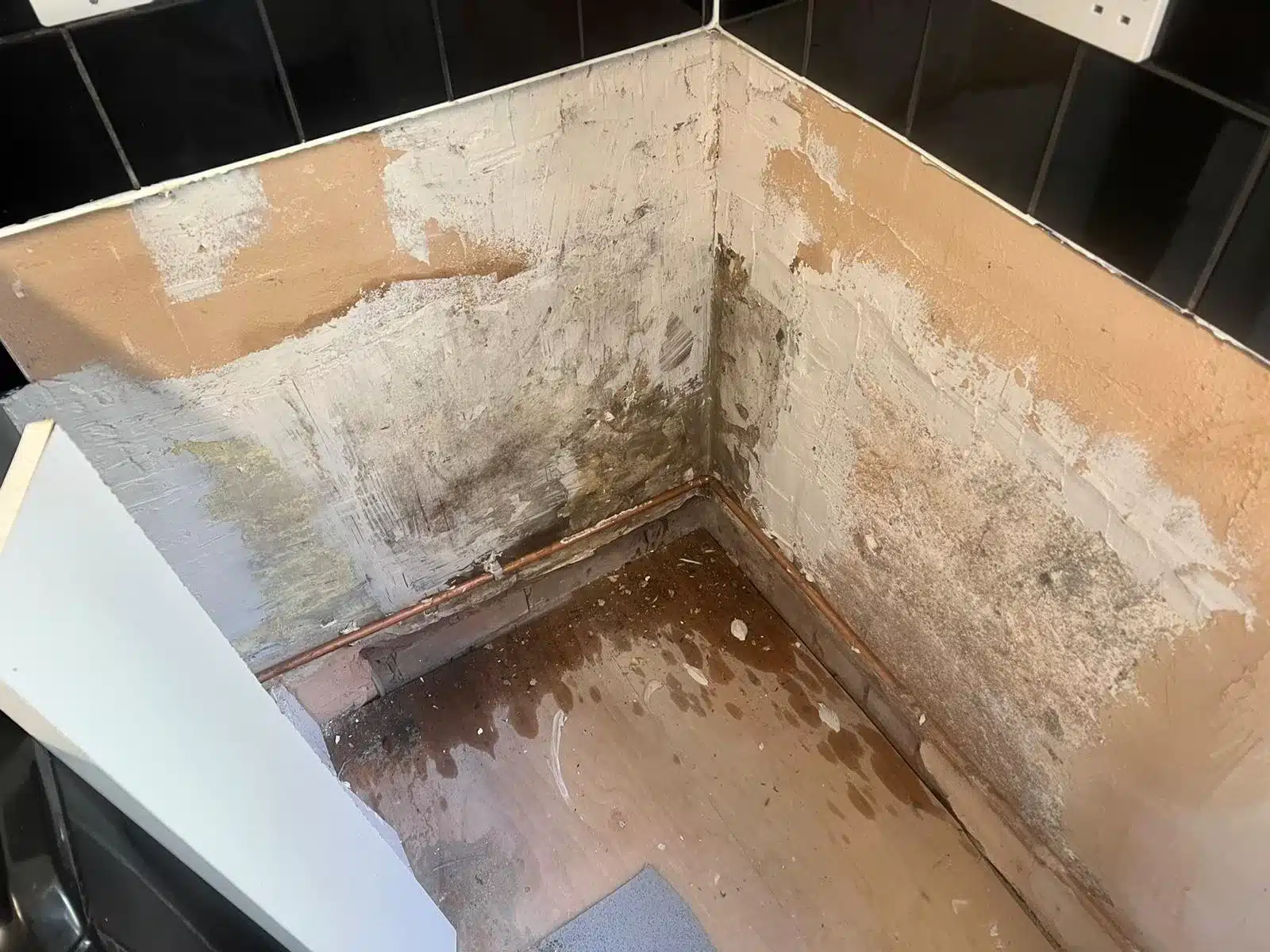
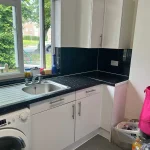
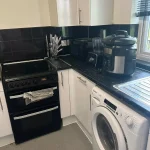
    Upon the client’s request for a mould survey, our team discovered a severe mould infestation in the kitchen.


    The mould spore count was alarmingly high, especially behind kitchen utilities like the sink, dishwasher, and cupboards.


    Such a severe level of mould contamination posed a high risk of mould-related illnesses.


    The primary cause of this mould growth was identified as a leak in the plumbing.


    Solution


    Understanding the urgency and severity of the situation, we collaborated closely with the client to devise a non-disruptive mould removal plan.


    Our team meticulously disassembled the kitchen to access and treat the mould-affected areas.


    Leveraging our industry-leading techniques and state-of-the-art equipment, we not only remediated the mould on the walls but also purified the air, ensuring a comprehensive solution.


    Results


    Post our rigorous mould removal process, the mould levels were brought down to safe thresholds.


    We emphasised the importance of addressing the plumbing leak to the homeowners, as this would be crucial in preventing future mould growth.


    Confident in our work’s efficacy, we extended our 12-month guarantee once the plumbing issue was rectified.


    Conclusion


    Mould removal is paramount for the health and well-being of residents.


    With a blend of expertise, dedication, and a client-centric approach, we successfully eradicated a severe mould issue in Barnet.


    This case underscores our unwavering commitment to creating safer and cleaner living environments, reflecting our core principles of integrity, embracing challenges as opportunities, and delivering top-tier service.


    If you’re facing mould challenges in your home or know someone who is, don’t wait.


    Choose AirFresh Mould Removal London for excellence, trust, and a fresh start for your spaces.


    Reach out to us at 0203 130 4068 or explore our other success stories to learn more about our impact.