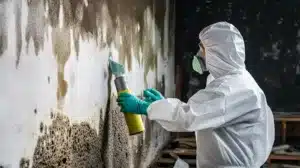
Category: Mould Removal

  • Mould in Lofts: Detection and Safe Removal

    Mould in Lofts: Detection and Safe Removal

    Dealing with mould in lofts can be a daunting and potentially hazardous task.  These often-neglected spaces can become breeding grounds for this unwelcome guest thanks to a combination of factors like poor ventilation, fluctuating temperatures, and inadequate insulation.


    Left unchecked, mould in lofts can not only damage your property but also pose a serious health risk to you and your family.


    With various health risks associated with mould exposure, it is crucial to seek professional help from specialists like AirFresh Mould Removal London, ensuring safe and thorough mould detection and removal.


    In this article will discuss the importance of expert services for addressing loft mould and how DIY attempts may prove not only ineffective but also dangerous.


    We’ll guide you through the process of identifying mould growth, understanding the causes, and most importantly, removing it safely and effectively. We’ll also equip you with the knowledge to prevent future infestations, ensuring your loft remains a healthy and usable space.


    Whether you’ve spotted a small patch of discolouration or suspect a larger mould problem lurking in the shadows, this blog is here to empower you. Take control of your loft and breathe new life into this valuable storage or conversion space. Let’s tackle mould in lofts together!


    Key Takeaways


    • Understanding the risks posed by mould growth in loft spaces.
    • Recognising the signs of mould for timely detection and resolution.
    • Learning about the causes and contributing factors to mould infestations in lofts.
    • Identifying effective prevention measures to protect your property from mould damage.
    • Valuing the importance of professional mould removal services in securing your health and property.
    • Gaining insights into advanced mould detection techniques used by experts.
    • Appreciating the complexities of mould types, spore spread, and contamination assessment in lofts.


    Recognising Mould in Your Loft


    Detecting mould in lofts is a crucial step in maintaining a healthy living environment. However, it can be a daunting task due to the inconspicuous nature of mould growth in loft spaces.


    Next, we’ll discuss common signs of mould in lofts, reasons why it can be difficult to detect, and the potential health risks associated with loft mould.


    Familiarising yourself with these indicators can help you identify and address loft mould before it becomes a dangerous problem.


    Mould in Lofts Statistics in UK


    Mould in lofts isn’t just an aesthetic concern; it’s a widespread issue in UK homes. While there isn’t a single source for statistics on the exact prevalence, several studies paint a concerning picture.


    Chartered Institute of Environmental Health (CIEH): A 2018 CIEH report highlights damp and mould as significant health hazards in UK housing, linked to respiratory problems like asthma and allergic rhinitis.


    The English Housing Survey EHS regularly reports on the condition of housing in England, and dampness (a key factor in mould growth) remains a persistent issue. In 2018, for instance, the EHS found that 1.4 million households in England suffered from damp – a figure that translates to roughly 6% of the total housing stock.


    Research from the University of Salford in Manchester further strengthens this concern. Their 2019 study on the impact of loft conversions on indoor air quality (IAQ) revealed that lofts often have higher moisture levels compared to the rest of the house. This increased moisture, coupled with potentially inadequate ventilation post-conversion, creates ideal conditions for mould to thrive.


    Common Signs of Mould Growth in Lofts

    Common Signs of Mould Growth in Lofts


    Mould growth can manifest in various ways, indicating the presence of damp in lofts and potential mould contamination. Here are some common signs of mould in your loft:


    • Musty odour: A strong, unpleasant smell is often the first sign of mould growth. If you notice a persistent musty scent in your loft, it could point to mould contamination.
    • Visible dark patches: Mould colonies typically appear as dark patches on walls, ceilings, and other surfaces. Discolouration in your loft may be caused by mould spores.
    • Loft condensation: Damp materials and surfaces can be a breeding ground for mould. If you see condensation or wet spots in your loft, they may be promoting mould growth.


    Why Loft Mould Can Be Hard to Detect


    Loft mould often goes unnoticed because of the location and inaccessible nature of many lofts. In addition, mould may grow behind insulation, under roof tiles, or within hidden crevices which makes it challenging to detect early on.


    Regular loft inspections and monitoring your loft for signs of dampness or deterioration can help you identify mould growth before it becomes a serious health concern.


    Health Risks Associated with Loft Mould


    Exposure to mould poses significant health risks, especially for individuals with allergies, respiratory conditions, or weakened immune systems. Some of the health hazards associated with mould exposure include:


    1. Asthma exacerbation
    2. Allergic reactions such as sneezing, itching, and hives
    3. Respiratory infections
    4. Sinus congestion and sinusitis
    5. Headaches and dizziness


    Maintaining hygiene and sanitary standards in your loft is essential to prevent mould growth and safeguard you and your family’s health. Regular cleaning, proper ventilation, and prompt attention to leaks or damp patches can help prevent mould infestations and protect your home environment.


    Mould in Lofts: Causes and Contributing Factors


    Understanding the causes of mould in lofts and being aware of the contributing factors to mould growth is essential for homeowners who want to prevent mould in their properties. This section will explore common reasons behind mould occurrences in lofts, focusing on lack of proper ventilation, poor insulation, and moisture build-up.


    One of the main factors leading to mould growth in lofts is inadequate loft ventilation. Proper ventilation is crucial in maintaining appropriate moisture levels within the loft space. Inadequate ventilation can result in a buildup of condensation, which creates a damp environment perfect for mould growth. To prevent mould in your loft, it is essential to ensure there is sufficient air circulation to minimise condensation and moisture build-up.


    Another factor that contributes to mould growth is loft insulation mould caused by poor insulation. Insulating a loft is necessary for maintaining energy efficiency and keeping your home warm.


    However, using the wrong insulation materials or failing to install it correctly can lead to mould growth. Insulation materials that retain moisture or have inadequate breathability can result in dampness, creating a favourable environment for mould to thrive.

    “Water damage, high humidity levels, and lack of property maintenance can also lead to mould growth in lofts.”

    In addition to improper ventilation and poor insulation, other contributing factors to mould growth in lofts include water damage, high humidity levels, and lack of property maintenance.


    Leaking roofs, for example, can cause water to seep into loft spaces, resulting in dampness and mould growth. Furthermore, high humidity levels within the loft can encourage mould to propagate, especially in poorly ventilated spaces.


    1. Regularly inspect and maintain your roofing and gutter systems to prevent leaks and water damage.
    2. Control indoor humidity levels by installing a dehumidifier if necessary.
    3. Ensure proper loft insulation and ventilation to minimise condensation.
    4. Address water damage and dampness issues swiftly to prevent mould growth.


    By identifying and addressing these contributing factors, homeowners can effectively prevent mould from developing in their lofts, safeguarding the health of their families and preserving the quality of their homes.


    Preventing Mould in Loft Spaces


    Keeping your loft mould-free is essential to maintain the overall health and condition of your home. There are several effective strategies in preventing mould in loft areas, which focus on optimising air circulation, selecting mould-resistant insulation materials, and ensuring proper humidity control. Here will provide valuable tips and insights on how to prevent mould formation in your loft space.


    Improving Loft Ventilation to Combat Condensation


    Poor ventilation leads to increased condensation and subsequently mould growth. To prevent mould in your loft, it is crucial to provide adequate air circulation.


    This can be achieved through installing passive vents, extractor fans or ridge and soffit vent systems. Ensuring proper air flow not only helps in preventing damp but also significantly reduces the chances of mould formation.


    Choosing the Right Loft Insulation Materials


    Loft insulation plays a vital role in maintaining a comfortable temperature inside your home, and at the same time, helps prevent mould growth. To achieve this, it is essential to choose insulation materials that resist mould development, such as rigid foam boards, rock wool, or fibreglass batts.


    Avoid using organic materials like cellulose or natural fibres, as they tend to be more susceptible to mould growth.


    Furthermore, ensure that the insulation is correctly installed without any gaps or compression, as such issues could lead to cold spots and dampness.


    Monitoring Humidity Levels to Prevent Mould


    Maintaining optimal humidity levels is essential for mould prevention in your loft. Keep the humidity levels between 40% and 60% to create an environment that is not conducive for mould growth.


    To achieve this, consider using a hygrometer to monitor humidity levels and invest in a dehumidifier or air conditioning system if necessary. Additionally, regular maintenance of gutters, repairing leaks, and reducing moisture-generating activities also contribute to a drier and mould-free loft.


    Preventing mould in lofts involves implementing a combination of measures, such as improving ventilation, selecting appropriate insulation materials, and controlling humidity levels.


    By consistently evaluating and maintaining these factors, you can ensure a healthy and mould-free living environment in your home.


    Mould Removal: Why Professional Services Are Crucial

    Mould Removal: Why Professional Services Are Crucial


    Many homeowners might be tempted to tackle mould removal on their own, but this can be a risky strategy. Mould can cause serious health issues and damage to your property if not treated correctly.


    Next, we’ll discuss the importance of enlisting professional mould removal services for your home and what you can expect from reputable companies in London.


    The Dangers of DIY Mould Removal


    While DIY mould removal might seem cost-effective at first glance, it can actually lead to greater problems in the long run. Inadequate mould removal can result in the spread of mould spores to other areas of your home, exacerbating the issue and potentially causing further damage to your property.


    Additionally, exposure to mould spores during DIY cleaning attempts can pose significant health risks, including respiratory problems and allergic reactions. As such, it’s always best to consult with a mould expert to ensure thorough and safe removal.


    Benefits of Hiring a Mould Removal Service


    By enlisting a mould specialist for mould removal in your loft, you can enjoy several benefits. Professional mould removal services possess the necessary equipment and expertise to handle the issue safely and effectively.


    They will not only eliminate visible mould growth but also address any underlying causes, preventing future recurrences and preserving the structural integrity of your home. Moreover, professional mould removal providers are more likely to guarantee their work, providing you with peace of mind.


    What to Expect from Mould Cleaning Services in London


    Mould removal services in London are known for their thorough approach and attention to detail. When you hire a reputable mould cleaning service, you can expect an initial inspection and assessment of your loft to determine the extent of the problem and the most appropriate course of action.


    The mould removal process will then typically involve treating the affected surfaces with anti-microbial solutions, physically removing the mould, and addressing any contributing factors such as moisture issues and poor ventilation.


    Finally, a post-cleanup verification will be conducted to ensure that all mould has been effectively removed and that the risk of future growth has been minimised.


    Securing the assistance of a mould removal service is essential for keeping your loft mould-free and safeguarding the health of your household.


    With their expertise and advanced cleaning techniques, professional mould removal specialists can eradicate mould in London lofts quickly and effectively, providing you with lasting protection and peace of mind.


    Expert Mould Detection Techniques


    Mould detection in loft spaces requires specialised methods and expert knowledge to ensure accurate identification and assessment of mould infestations. In this section, we discuss some of the advanced techniques utilised by mould experts, underscoring the importance of professional expertise for best results.


    Infrared Thermography – This non-destructive method uses infrared cameras to detect temperature differences across surfaces, highlighting areas of moisture and potential mould growth. Mould experts can interpret these thermal images to pinpoint hidden mould issues in your loft space.

    “Infrared thermography can reveal mould growth in hard-to-reach loft areas, even when it is not visible to the naked eye.”

    Moisture Meters – These devices measure the moisture content in materials, such as wood and insulation, which can reveal damp conditions where mould is likely to thrive. By identifying these problem areas, mould experts can target their inspection efforts and suggest appropriate remedial actions.


    1. Pin-type meters utilise two metal probes to calculate the moisture content by measuring the electrical resistance between them.
    2. Non-destructive, pinless meters work by emitting electromagnetic waves and measuring their capacitance to detect moisture.


    Borescopes – A borescope is an optical device that mould experts can use to access hard-to-reach loft spaces, such as under insulation, behind walls, or in ventilation ducts. The borescope consists of a small camera mounted on a flexible tube, transmitting live images to a display screen for visual inspection of mould signs.


    Air Sampling and Lab Analysis – Mould experts can collect air samples from your loft space to determine the concentration of mould spores in the air. These samples are then sent to a laboratory to identify the types and quantity of mould spores present, providing precise information on the severity of the infestation.


    Technique Advantages Limitations
    Infrared Thermography Non-destructive, detects hidden moisture and mould Requires expert interpretation, cannot identify mould species
    Moisture Meters Identifies damp areas in materials, helps target inspections May give false readings on certain materials
    Borescopes Accesses hard-to-reach areas, provides live visual inspection Limited field of view, cannot sample mould spores
    Air Sampling and Lab Analysis Identifies mould species, quantifies spore concentrations More time-consuming, may require multiple samples


    These expert mould detection techniques contribute significantly to the accurate identification and assessment of loft mould issues. By leveraging these advanced methods, mould experts can devise an informed strategy to remediate mould infestations and protect your health and property.


    Mould in Lofts


    As a homeowner, it is crucial to be aware of the different types of mould that can grow in loft spaces and understand how mould spores spread and contaminate your living environment.


    Next, we’ll explore the various loft mould species, discuss their proliferation, and provide guidance on assessing the extent of mould contamination in lofts.


    Identifying Different Types of Loft Mould


    There are several types of mould that can infest loft spaces, such as Aspergillus, Penicillium, and Cladosporium.


    Each mould species has distinct characteristics and can cause different health issues if left unaddressed. Being able to identify the type of mould in your loft is essential for taking appropriate steps to deal with the problem effectively and efficiently.


    Understanding How Mould Spores Spread in Lofts


    Mould spores are microscopic agents that facilitate mould growth and reproduction. They easily become airborne and spread throughout your loft, allowing mould to grow on various surfaces, including insulation materials, wood, and even brickwork.


    Factors such as dampness, poor ventilation, and excessive humidity create ideal conditions for mould spores to settle and proliferate, further intensifying mould contamination.


    Assessing the Extent of Mould Contamination in Lofts


    When dealing with mould, it is vital to assess the severity and extent of the problem. Visual inspections can sometimes provide an indication of the scope of mould growth, but some mould contamination may be concealed from view, making it difficult to gauge the true scale of the issue.


    In such cases, hiring a mould expert to conduct a thorough inspection and evaluation of your loft is highly recommended. This will ensure that all mould is identified and that suitable measures are taken to eradicate it, safeguarding your home and health.


    FAQ


    What are common signs of mould growth in lofts?


    Some common signs of mould growth in lofts include musty odours, visible dark patches on surfaces, dampness, and increased allergic reactions among inhabitants.


    How can I improve loft ventilation to prevent mould growth?


    To improve loft ventilation, consider installing roof vents, eave vents, or ridge vents. In addition, ensure there is adequate air circulation and avoid overstuffing the loft with items that can block airflow.


    Why is mould difficult to detect in lofts?


    Mould can be hard to detect in lofts due to its inconspicuous growth on surfaces that are hidden from view, and because people generally spend less time in loft spaces, making early detection more challenging.


    What are the health risks associated with loft mould?


    Health risks associated with loft mould can range from mild to severe, including allergic reactions, respiratory issues, skin irritation, and in some cases, toxic mould exposure can cause serious neurological, immunological or pulmonary problems.


    Why should I hire a professional mould removal service instead of attempting DIY mould removal?


    Hiring a professional mould removal service ensures thorough and safe eradication of mould growth. Experts have access to advanced detection techniques and remediation methods that minimise the risk of mould recurrence. DIY mould removal may exacerbate the problem and pose potential health risks.


    What types of mould are commonly found in lofts?


    There are several types of mould commonly found in lofts, including Aspergillus, Cladosporium, Penicillium, and Stachybotrys chartarum (also known as Black Mould). Each type of mould has different characteristics and potential health impacts.


    How do professional mould cleaning services in London work?


    Professional mould cleaning services in London typically begin with a thorough inspection and assessment of the mould infestation. They then employ specialised mould removal techniques and products to safely eradicate the contamination. After the removal is complete, mould specialists often recommend prevention measures to avoid future mould growth in your loft.


    Don’t Let Mould Take Over Your Loft!


    Now that you’re armed with the knowledge to identify and understand mould in lofts, it’s time to take action. While small patches of mould might seem manageable at first glance, remember:


    Mould can release harmful spores: These spores can trigger respiratory problems and worsen allergies. DIY removal can be risky: Improper removal techniques can spread spores further and exacerbate the problem.


    For your safety and a guaranteed effective solution, call a professional mould removal service.


    Don’t hesitate to take control of your loft’s health – contact us today at 0203 130 4068 for a free consultation and breathe easy knowing your loft is in good hands.


  • Mould in Children’s Play Areas: Safety Measures and Cleaning Tips

    Mould in Children’s Play Areas: Safety Measures and Cleaning Tips

    Sunny days and climbing frames – that’s the image of perfect playtime. But what lurks unseen in damp corners and under swings?


    Mould in play areas can pose a health risk to young children, their developing respiratory systems more susceptible to mould spores.


    Ensuring a mould-free environment in your children’s play areas is crucial for their health and safety.


    Exposure to mould can have serious health implications, making it imperative for parents, caregivers, and establishments to adopt safety measures for children and implement cleaning tips for play areas.


    With the help of professionals like AirFresh Mould Removal London, creating a healthy environment for children and preventing mould growth becomes an achievable task.


    We’ll guide you through identifying mould, understanding the potential health problems it can cause, and most importantly, removing it effectively.


    We’ll help transform your backyard into a healthy haven where children can explore and flourish, free from hidden hazards.


    Key Takeaways


    • Understanding the risks of mould exposure and its impact on children’s health.
    • Learning to identify signs of mould growth in outdoor and indoor play areas.
    • Adopting preventative strategies to maintain a clean and healthy play environment.
    • Recognising the importance of professional remediation and mould-resistant materials in combating mould infestations.
    • Partnering with experts like AirFresh Mould Removal London for ensuring the safety of children’s play areas.


    Understanding the Risks of Mould in Play Areas


    Maintaining a mould-free environment in children’s play areas is crucial for their health, wellbeing, and safety.


    It is essential to understand the risks of mould and how it can affect children’s health, as well as be aware of the different types of mould that can be found in playgrounds.


    In this section, we will delve into the adverse health implications of mould exposure for children and explore the various mould species commonly encountered in play environments.


    Mould in Play Areas Studies in UK


    Playgrounds and backyards are supposed to be havens for carefree exploration. But mould lurking in these areas can cast a shadow on playtime. A study by the Asthma UK Centre for Applied Research found that over 70% of indoor play areas had detectable levels of mould spores, with some exceeding recommended safety limits.


    This is concerning because young children are particularly vulnerable. Their developing respiratory systems are more susceptible to irritation caused by mould spores. Research published in the UK Journal of Occupational Medicine found a link between exposure to mould in childhood and increased risk of asthma and allergies.


    The good news is that these risks can be mitigated. By being proactive about identifying and removing mould in play areas, we can create safer environments for our little ones.


    Health Implications for Children


    Mould exposure can negatively impact children’s health, particularly due to their developing immune systems and respiratory tracts. Some of the potential risks associated with mould in play areas include:


    • Respiratory issues: Mould in the air can cause breathing problems, asthma, and other respiratory issues in children.
    • Allergies: Allergic reactions can occur in sensitive individuals due to the presence of mould spores, resulting in symptoms like sneezing, itching, and skin rashes.
    • Weakened immune system: Constant exposure to mould can weaken a child’s immune system, making them more prone to infections and various health problems.


    Types of Mould Commonly Found in Play Environments


    Several types of mould can be found in children’s play environments, each posing a different risk to their health. Some of the most common mould species include:


    Type of Mould Health Risks
    Aspergillus Known to cause respiratory infections, asthma attacks, and allergic reactions.
    Cladosporium Can trigger allergic reactions and, in rare instances, infections of the skin and respiratory tract.
    Penicillium Often linked to allergic reactions, asthma, and other respiratory issues, especially in sensitive individuals.


    It is crucial to keep children’s play areas free from mould and create a healthy environment for them to engage in various activities and interactions with others.


    Addressing the risks of mould and being aware of the potential dangers present in seemingly harmless spaces is essential in ensuring the wellbeing of young children.


    Signs of Mould Growth in Outdoor and Indoor Play Spaces


    It is vital to monitor children’s play areas for signs of mould growth, as timely identification can prevent adverse health effects and potential damage to the play equipment. We will guide you through the process of identifying mould in both outdoor and indoor play settings and highlight common areas where mould is likely to colonise.


    Identifying Mould: What to Look For

    Identifying Mould: What to Look For


    When examining play spaces for signs of mould growth, there are some key indicators to be aware of:


    • Discolouration: Mould can appear in various colours, such as black, green, or even white. It often presents as discoloured spots or patches on different surfaces.
    • Musty odours: A strong, persistent musty smell can suggest mould presence, even if it is not visible to the naked eye.
    • Moisture issues: Leaks, excess dampness, or signs of water damage may indicate the ideal conditions for mould growth.


    By familiarising yourself with these signs, you can increase your chances of early mould detection and mitigation.


    Common Areas for Mould Colonisation in Playgrounds


    Mould thrives in warm, damp environments, which is why it is essential to pay extra attention to certain areas within play spaces:


    1. Shaded spots: Mould is more likely to grow in areas that receive limited sunlight, as they tend to retain moisture longer.
    2. Moist areas: Puddles, damp sand pits, and damp organic materials, such as wood chips or bark, can provide ideal conditions for mould proliferation.
    3. Poorly ventilated spaces: Indoor play areas, particularly those with limited ventilation, can foster mould growth due to insufficient airflow and increased humidity.
    4. Enclosed areas: Play equipment with hidden compartments or enclosed spaces may harbour mould growth due to lack of sunlight, limited air circulation, and moisture accumulation.


    Incorporating regular inspections of these common areas for mould colonisation can increase your chances of identifying and preventing mould growth, thus contributing to the maintenance of a healthy and safe environment for children to play and explore.


    Preventative Strategies for Mould in Play Areas


    Implementing effective preventative strategies is essential in keeping play environments mould-free and ensuring children’s safety. The following measures, when consistently applied, can significantly reduce the likelihood of mould infestations in both indoor and outdoor play areas.


    Regular Inspection and Cleaning: Conduct thorough visual inspections of play spaces, equipment, and surrounding areas to identify any signs of mould growth and potential problem spots. A strict cleaning routine should also be established, incorporating the use of mould-inhibiting solutions to prevent mould growth.


    Mould-Resistant Materials: When designing and constructing play areas, opt for using materials that are less prone to mould growth. This includes certain types of plastics, metals, and treated woods that have been specifically developed for their resilience against mould.


    Proper Ventilation: Ensuring that play areas are well-ventilated is key in promoting airflow and reducing humidity, thus limiting the conditions that are favourable for mould growth. Installing adequate ventilation systems or utilising natural ventilation methods will help keep play environments healthy and mould-free.


    Timely Maintenance and Repairs: Regular maintenance routines should include checking for water damage, leaks, and drainage issues that might encourage mould growth. Undertaking prompt repairs and maintenance can significantly reduce the risk of mould infestations developing.


    Here are some practical maintenance tips to prevent mould in play areas:


    Maintenance Tip Reason Action
    Ensure proper drainage Clogged drains can lead to water accumulation, creating favourable conditions for mould growth. Regularly clear debris from gutters, downspouts, and drainage grates to ensure the smooth flow of water away from the play area.
    Prune overhanging trees or vegetation Excessive shade can cause moisture to linger and contribute to mould growth. Strategically trim branches, hedges, and other overgrown vegetation to ensure ample sunlight reaches the play area and encourages quicker evaporation of moisture.
    Monitor and control humidity levels High humidity is a significant factor in encouraging mould growth. Periodically check humidity in indoor play spaces, and take measures to reduce it if it exceeds 60%. This can include the use of dehumidifiers or air conditioners to maintain appropriate humidity levels.


    By diligently applying these mould prevention for outdoor play areas and indoor play spaces, you can create a healthy and safe environment for children to enjoy.


    Remember that prevention is always better than cure; therefore, investing time and effort into consistent upkeep and maintenance will go a long way in avoiding mould-related issues in children’s play areas.


    Mould in Play Areas: Key Reasons for Professional Remediation

    Mould in Play Areas: Key Reasons for Professional Remediation


    While keeping children’s play areas free from mould is essential for ensuring the safety and well-being of young users, it is crucial to consider professional remediation for effective and long-lasting results. Let’s explore the importance of specialist cleaning, the risks associated with DIY cleaning, and the benefits of entrusting mould removal to experts such as AirFresh Mould Removal London.


    Importance of Specialist Cleaning


    When it comes to dealing with mould problems in play areas, the expertise offered by professional mould cleaning services cannot be underestimated.


    Specialists in mould removal are experienced in identifying the type and extent of mould infestations, ensuring proper measures are taken for complete remediation.


    Moreover, employing a professional mould cleaning service guarantees the use of industry-approved techniques and equipment, which substantially reduces the risk of mould recurrence.


    Why DIY Cleaning Attempts Can Be Harmful


    While many individuals may consider taking matters into their own hands for mould removal, attempting DIY cleaning can often aggravate the situation.


    Not only is there a high probability of spreading mould spores during an unguided cleaning effort, but amateur attempts can also expose the person attempting the clean-up to potential health risks.


    Furthermore, unsuitable cleaning products and techniques can deteriorate the surface and even cause more damage to the play area equipment.


    Therefore, it is essential to understand that the importance of specialist cleaning far outweighs the potential harm caused by ill-informed DIY cleaning attempts.


    Enlisting the help of professional remediation experts such as AirFresh Mould Removal London is crucial for safe and effective mould removal and cleaning in play areas.


    By trusting specialist cleaning services, you can ensure that mould issues are addressed efficiently, prioritising the health and safety of children who visit these spaces.


    Mould-Resistant Materials and Design for Playgrounds


    Creating a safe and sustainable play area for children involves careful consideration of suitable mould-resistant materials and playground design. Selecting the right surfaces and materials can hinder mould growth in play areas.


    Next, we’ll provide guidance on choosing mould-resistant play surfaces, materials, and effective maintenance tips to keep mould at bay.


    Choosing the Right Surfaces


    Incorporating mould-resistant play surfaces is a key factor in preventing mould growth. Materials such as metals, plastics, and certain treated woods are less prone to mould infestation, making them suitable choices for play area surfaces.


    For outdoor playgrounds, consider permeable surfaces that can quickly dry, preventing the buildup of moisture that could facilitate mould growth. Furthermore, prioritise good drainage systems in the playground design to reduce moisture retention in play area surfaces.


    Maintenance Tips to Keep Mould at Bay


    Regular and diligent maintenance practices contribute significantly to the prevention of mould in play areas. Here are some practical tips for effective maintenance:


    • Inspect play equipment for any signs of mould, paying close attention to frequently damp areas or those with poor ventilation.
    • Ensure timely repairs if signs of mould are detected to prevent further spread.
    • Regularly clean surfaces using mould-resistant cleaning solutions to eliminate potential sources of mould growth.
    • Trim overhanging foliage near play areas to improve sunlight penetration and reduce shade, minimising moisture retention.
    • Monitor humidity levels in indoor play spaces and employ a dehumidifier, if necessary, to promote a dry environment in which mould struggles to thrive.


    By implementing these preventive measures, you can effectively minimise the risk of mould infestation and ensure a healthy play environment is maintained for the well-being of the children.


    When to Call a Mould Removal Service


    Addressing mould issues in a timely manner is crucial to maintaining the safety of children’s play areas.


    Knowing when to call a mould removal service can help to prevent further health risks and ensure that the affected area is cleared of mould effectively. Let’s look into various signs that it may be time to contact a mould expert such as AirFresh Mould Removal London.


    First and foremost, it is essential to call a mould specialist when there is any visible sign of mould in a play area. This may include discoloured spots or patches, black or green growths, or a persistent musty odour. Ignoring these signs can lead to an increase in potential health risks for children.


    Another indication that it’s time to involve a mould remediation service is when you are unsure of the extent of the mould problem. A mould removal professional can assess the situation and determine the most effective course of action to eradicate mould infestations.


    Health risks associated with mould presence: If any child has experienced symptoms such as coughing, wheezing, skin rashes or runny noses, which could be related to mould exposure, it is essential to contact a mould removal service promptly.


    Extensive mould growth: If mould has infested a large area or multiple sections in a play environment, it is necessary to call in a mould removal service to tackle the issue properly and avoid further spread of mould spores.


    Unsuccessful DIY efforts: If you have attempted to remove mould growth yourself but it returns or spreads, seeking professional assistance is necessary to ensure the complete and safe eradication of mould without risking further contamination or exposure.


    It is vital to remain vigilant in identifying signs of mould growth and be proactive in contacting a mould removal service as soon as potential issues arise.


    By enlisting the help of professionals like AirFresh Mould Removal London, you can ensure a safe, hygienic and mould-free play environment for children.


    Conclusion


    The importance of addressing mould concerns in children’s play areas cannot be understated, as it significantly impacts their well-being and safety. Preventative strategies and timely remediation are vital in ensuring a healthy environment in which children can play without facing health risks.


    Collaborating with mould removal experts can provide effective solutions for dealing with mould in play areas, and specialists like AirFresh Mould Removal London are committed to safeguarding play areas against the threat of mould.


    Ensuring the Safety of Children’s Play Areas


    Taking proactive measures to create a mould-free environment in children’s play areas is essential in maintaining their safety.


    Regular inspections, cleaning routines, and using mould-resistant materials will help prevent mould growth. When confronted with mould issues, seeking professional assistance from mould removal experts becomes a necessity to protect the health of the children using the play areas.


    Partnering with Experts for a Mould-Free Environment


    By partnering with mould removal experts, you will benefit from their knowledge, expertise, and advanced tools, ensuring a comprehensive and effective mould remediation process.


    This partnership not only guarantees a mould-free environment for children to play in but also reinforces the importance of upkeeping safety standards in children’s play areas.


    With dedicated professionals like AirFresh Mould Removal London, you can be confident in maintaining hygienic and mould-free play spaces for children to enjoy without compromising their health.


    FAQ


    What are the health implications of mould exposure for children?


    Mould exposure can lead to various health issues in children, including respiratory problems, allergies, asthma exacerbations, and skin or eye irritations. Young children, in particular, have developing immune systems that make them more susceptible to the harmful effects of mould.


    How do I identify mould in play areas?


    Mould growth in play areas can manifest as discolouration, fuzzy or slimy patches, and musty odours. Frequently check playground equipment and play surfaces for any signs of mould, especially in shaded, moist spots or areas with poor ventilation.


    Which preventative strategies can help combat mould growth in play areas?


    Some effective preventative strategies include regular inspection and cleaning of play areas, using mould-resistant materials and surfaces, ensuring proper ventilation, and maintaining a timely repair and maintenance schedule. These methods can help reduce the likelihood of mould infestations in play areas.


    Why should I consider professional mould remediation for play areas instead of DIY cleaning?


    Professional mould remediation services, such as AirFresh Mould Removal London, possess the expertise and equipment necessary to safely and effectively remove mould. DIY cleaning methods might spread mould spores, exacerbating the problem and potentially posing health risks to children.


    How can mould-resistant materials and surfaces benefit play areas?


    Mould-resistant materials, such as certain plastics, metals, or treated woods, can help reduce the risk of mould growth in play areas. These materials can support the longevity of playground structures and contribute to a sustainable, healthy environment for children to enjoy.


    When should I call a professional mould removal service?


    Contact a professional mould removal service like AirFresh Mould Removal London when mould growth becomes extensive, poses health risks to children, or persists despite your efforts to eradicate it. Specialist services can ensure complete and safe mould removal without the risk of further contamination or exposure to children.


    Don’t Let Mould Steal Playtime!


    Keeping your play area mould-free is crucial for your children’s health. While this blog post has equipped you with valuable knowledge, some mould situations require a professional touch.


    Here’s when to call in the experts:


    • Extensive mould growth (larger than a square metre)
    • Mould on porous surfaces like wood or fabric
    • Difficulty identifying the type of mould
    • Persistent mould after repeated cleaning attempts


    Our team of certified mould removal specialists understands the unique challenges of play area decontamination. We use safe, effective methods to eliminate mould and prevent its return.


    Protect your children’s health and peace of mind. Call us today at 0203 130 4068 for a free consultation. Let’s create a healthy, mould-free environment where playtime can thrive!


  • Mould Growth in Garden Sheds and Garages: Prevention and Treatment

    Mould Growth in Garden Sheds and Garages: Prevention and Treatment

    Does your garage have an unwelcome guest? Mould in garages is a common problem in the UK, thanks to our damp climate and the way we use these spaces.


    From storing wet gardening tools to housing cars freshly washed in the rain, garages can become breeding grounds for mould growth.


    Dealing with mould in garages and garden sheds is an all-too-common problem faced by homeowners across the United Kingdom. The damp British climate doesn’t help, often making these spaces a breeding ground for pesky moulds.


    That’s why it’s essential to prioritise garage mould prevention and treatment, ensuring that your outbuildings remain clean, safe, and hygienic.


    With the help of a mould expert, you can address the issue head-on and say goodbye to mouldy garages and sheds for good.


    We’ll guide you through identifying the signs of an infestation, safely removing existing mould, and – most importantly – preventing it from returning. Let’s reclaim your garage and keep it mould-free!


    Key Takeaways


    • Poor ventilation and inadequate insulation are leading causes of mould in garages and garden sheds.
    • Activities and items stored in outbuildings can exacerbate mould growth by releasing moisture.
    • Exposure to mould can have detrimental effects on your health, making prompt treatment crucial.
    • Professional mould specialists can accurately detect and assess mould infestations, ensuring thorough treatment.
    • Avoid DIY mould cleaning as it can be hazardous and may inadvertently spread mould spores.


    Understanding the Causes of Mould in Your Outbuildings


    Garage dampness, inadequate garage ventilation, and poor garage insulation are common culprits behind mould growth in outbuildings like garden sheds and garages.


    Addressing these issues is essential to prevent mould proliferation and maintain a healthy environment in your outbuildings.


    Next, we will discuss common sources of dampness and the contributing factors that lead to excessive moisture accumulation, both of which provide prime breeding grounds for mould.


    Mould in Garages: Studies in UK


    Mould lurks in many unexpected places, and unfortunately, garages in the UK are prime targets. A study by the British Mycological Society found that over 50% of garages surveyed in the UK exhibited some level of mould growth. This prevalence can be attributed to several factors:


    • Damp climate: The UK’s notoriously damp weather allows excess moisture to seep into garages, creating a breeding ground for mould.
    • Poor ventilation: Garages are often poorly ventilated spaces, especially those lacking windows or proper air circulation. This stagnant air promotes mould spore growth.
    • Organic materials: Cardboard boxes, wooden furniture, and even leaves tracked in from the garden provide organic matter for mould to feed on.

    The repercussions of mould in garages extend beyond aesthetics. Research by the National Health Service (NHS) highlights the potential health risks associated with mould exposure, including:


    • Respiratory problems: Symptoms like coughing, wheezing, and difficulty breathing can be triggered by mould spores.
    • Allergic reactions: For those with allergies, mould exposure can cause itchy eyes, runny nose, and skin irritation.
    • Aggravated asthma: Mould spores can worsen existing asthma symptoms.

    These health concerns highlight the importance of addressing mould in garages promptly and effectively.


    Identifying the Common Sources of Dampness

    Garage dampness typically arises due to a combination of factors, which include:


    • Insufficient garage ventilation: Without proper air circulation, moisture gets trapped and cannot evaporate, creating a damp environment.
    • Inadequate garage insulation: A poorly insulated garage cannot effectively regulate temperature, allowing condensation to form and dampness to settle.
    • Garage condensation: Temperature fluctuations cause condensation to form on cold surfaces, contributing to increased moisture levels.
    • Storage of moisture-releasing items: Storing materials that emit moisture, such as firewood, can further increase dampness in your garage.


    Contributing Factors to Excessive Moisture Accumulation


    Besides the common sources of dampness, other factors contribute to excessive moisture accumulation in your outbuildings:


    • Seasonal changes: During the colder months, the disparity between indoor and outdoor temperatures may cause condensation to form on the inside surfaces of your garage, exacerbating dampness levels.
    • Leaks and water intrusion: Plumbing issues or water seepage through the garage’s walls and roof can lead to dampness, especially if not swiftly addressed.
    • Garage activities: Activities that generate moisture, such as using a tumble dryer or working with water-based paints, can significantly increase humidity levels if not properly ventilated.


    Understanding the causes of mould in your outbuildings is crucial for implementing effective preventive measures and maintaining a mould-free environment.


    By ensuring proper garage ventilation and insulation, as well as addressing garage dampness and condensation, you can drastically reduce the risk of mould growth and protect your belongings and health.


    Health Risks Posed by Mould in Garden Sheds and Garages


    Exposure to mould in outbuildings like garden sheds and garages can have a significant impact on your health, leading to various issues, from allergies to severe respiratory conditions.


    Understanding the signs of mould exposure is essential to addressing the problem promptly and ensuring a safe environment.


    This section emphasises the need for timely mould identification and removal and highlights the benefits of professional garage mould removal services.


    Recognising Symptoms of Mould Exposure


    Being aware of mould exposure symptoms is crucial in detecting the presence of mould in your outbuildings. Some common signs of mould exposure include:


    • Persistent coughing and sneezing
    • Runny or blocked nose
    • Eye irritation and redness
    • Throat irritation
    • Wheezing or difficulty breathing
    • Headaches or migraines
    • Skin rashes or hives


    Besides these health symptoms, be on the lookout for a musty or damp odour, which might signal a hidden mould issue.


    Why It’s Imperative to Address Mould Immediately


    Addressing mould problems in garden sheds and garages without delay is essential to prevent further health risks and damage.


    Prolonged mould exposure can potentially exacerbate respiratory issues in individuals with asthma or other lung conditions, and may even result in the development of more significant health problems over time.


    Investing in professional garage mould removal services for your home ensures the efficient and thorough elimination of mould infestations, providing a safe and healthy environment in your outbuildings.


    Specialists have both the necessary knowledge and equipment to identify the source of the mould and implement effective and long-lasting solutions.


    Understanding the health risks of mould and being able to identify mould exposure symptoms is vital for timely intervention.


    Don’t underestimate the importance of garage mould removal, and always opt for professional services to maintain a safe and healthy living environment.


    Mould in Garages: Detecting and Assessing the Extent of the Issue

    Mould in Garages: Detecting and Assessing the Extent of the Issue

    Understanding how to detect mould in your garage and assessing the extent of the contamination is crucial in maintaining a clean and healthy environment in your outbuildings.


    Mould growth often occurs in hidden spots, and it’s essential to recognise these signs, even if the mould itself is not visible.


    Homeowners should familiarise themselves with the common signs of mould growth in the garage, which may include a persistent musty odour, discoloured surfaces, and water damage.


    Additionally, observing any unexplained increase in humidity levels or worsening allergy symptoms may point towards a mould issue.


    Conducting a thorough mould assessment is crucial. To begin, check the following areas that are prone to mould growth:


    1. Inside cupboards and storage boxes
    2. Around windows and doors
    3. Behind appliances and equipment that generate heat or create moisture
    4. In corners of the garage where air circulation is minimal


    Remember, some mould types are not visible to the naked eye. In these cases, it’s best to consult a mould specialist.


    They will use special equipment and techniques to detect mould, measure the extent of contamination, and identify the mould type accurately.


    Their expertise proves invaluable in addressing the problem effectively and quickly to maintain a healthy living environment.

    When in doubt, always seek the help of a professional mould specialist to ensure an accurate diagnosis and timely intervention.

    In summary, be vigilant when it comes to the detection of mould in your garage, paying special attention to hidden spots where it may thrive unnoticed.


    Consult a mould specialist to assess the extent of the issue and ensure timely and effective treatment, safeguarding your health and the well-being of those around you.


    Professional Mould Remediation: When to Call the Experts


    As an essential measure to prevent mould in garage environments, timely and proper intervention by experienced professionals is crucial.


    Not only can this help ensure the efficiency and safety of the process, but it also reliably addresses the root causes of the issue.


    Consequently, professional mould remediation services such as AirFresh Mould Removal London are the most effective and safest methods to handle a mould outbreak.


    Advantages of Hiring Mould Removal Services

    Benefits of Professional Mould Removal Services

    By employing the expertise of mould removal specialists, property owners gain access to a comprehensive service that includes mould detection, assessment, and eradication, coupled with prevention tips for the future.


    Professional mould prevention companies use specialised equipment and tailored cleaning solutions, attending to the nuances of each situation and minimising any health hazards. Furthermore, their expertise in identifying and addressing hidden mould sources offers long-term value by preventing recurrence.


    What to Look for in a Mould Removal Specialist


    In choosing the right mould cleaning service, individuals should consider their qualifications, proven experience, and customer satisfaction testimonials.


    A reputable mould removal London company, such as AirFresh Mould Removal, typically possesses valid industry certifications and adheres to established safety protocols to provide reliable, high-quality service.


    Why DIY Mould Cleaning Can Be Hazardous


    Attempting to clean mould without the aid of professionals can result in several health risks and inadvertently exacerbate the issue by spreading mould spores.


    Without the proper training, equipment, and cleaning solutions, DIY mould cleaning can be more than just a hazardous venture; it may even provide ineffectual results.


    Hence, relying on licensed professionals is the surest way to maintain the safety and cleanliness of your outbuildings.


    FAQ


    What are the primary causes of mould growth in garages and garden sheds?


    Mould growth in garages and garden sheds usually arise due to poor ventilation, inadequate insulation, excessive moisture accumulation, and garage activities or storage that release moisture. The damp British climate can also exacerbate mould growth.


    How can exposure to mould in garages and garden sheds affect my health?


    Exposure to mould can lead to various health issues, ranging from allergies to serious respiratory problems. Symptoms may include persistent coughing, sneezing, itchy eyes, and a musty odour. It is crucial to address mould issues as soon as possible to minimise health risks.


    How can I detect mould growth in my garage or garden shed, and when should I contact a professional?


    You can detect mould growth by observing visible growth, a musty odour, or persistent health symptoms. However, identifying hidden mould may require the expertise of a mould specialist. It is advised to contact a professional mould removal service for an accurate assessment to prevent further spread or health hazards.


    What are the advantages of hiring a professional mould removal service?


    Professional mould removal services, like AirFresh Mould Removal London, are highly skilled in identifying, assessing, and safely treating mould growth. They prevent the spread of mould spores and ensure proper handling of hazardous materials. Hiring a professional mould removal specialist can provide a safe and efficient solution, compared to risky DIY attempts.


    What should I look for when choosing a mould removal specialist?


    Ensure the mould removal specialist has proper credentials, experience, and training in mould identification and remediation. Look for reputable companies with a proven track record, excellent customer reviews, and a comprehensive service package that includes both mould prevention and treatment.


    Why should I avoid DIY mould cleaning in my garage or garden shed?


    DIY mould cleaning can be hazardous to your health, potentially exposing you to harmful mould spores and toxic substances. Furthermore, DIY attempts may inadvertently spread mould spores to other areas of your garage or garden shed, making the issue worse. Professional mould remediation services provide a safer, more efficient alternative to address your mould problems effectively.


    Don’t Let Mould Take Over Your Garage!


    Now that you’re armed with the knowledge of mould’s prevalence and potential health risks in UK garages, it’s time to take action!

    Inspect your garage thoroughly. Look for visible mould growth, musty odours, and signs of water damage.


    For infestations or for any health concerns, never attempt removal yourself. Mould spores can be easily disturbed and inhaled, worsening health issues.


    Call the professionals! Our experienced and certified mould removal team can safely and effectively eliminate mould from your garage, preventing its return.


    Don’t hesitate to breathe easy again – contact us today on 0203 130 4068 for a free quote and consultation. We’ll get your garage back to a healthy and mould-free space!


  • Mould and Home Renovations: Identifying Risks During Construction

    Mould and Home Renovations: Identifying Risks During Construction

    Undertaking a home renovation is an exciting and often necessary endeavour. However, it’s important to be aware of the potential risks that can arise during the process. One such risk is the development of mould in construction.


    Mould growth in building can not only pose serious health threats, but can also compromise the structural integrity of your property. This makes it imperative to identify mould risks early in your renovation project to ensure its success.


    While renovating can uncover hidden mould, the construction work can also create new conditions that facilitate the growth of mould, making detection and prevention strategies critical components in the planning phase.


    In this article, we delve into the potential risks associated with mould during home renovations and provide practical solutions for construction mould prevention.


    Key Takeaways


    • Identifying mould risks early in the renovation process can help ensure the success of your project.
    • Mould growth in building can lead to health risks and compromise structural integrity.
    • While renovations can uncover hidden mould, they can also create new environments that facilitate mould growth.
    • Construction mould prevention strategies are crucial components of the planning phase to mitigate the risks.
    • Regular inspection, moisture control, and using mould-resistant materials are essential measures to prevent mould during construction.


    The Impact of Mould on Your Health and Home’s Structural Integrity


    Mould is a pervasive issue that can have serious consequences for both human health and the integrity of buildings. In this section, we will explore the health hazards of mould exposure, how mould can compromise the structural elements of buildings, and the importance of identifying hidden mould during renovations.

    Mould in Construction Studies in UK


    The dream kitchen extension. The luxurious bathroom remodel. Home renovations are exciting ventures, but lurking beneath the surface can be a hidden enemy: mould. In the UK, a recent study by the National Health Institute (NHS) found that over 30% of reported damp and mould issues originated from construction projects.


    This isn’t surprising. Construction disrupts the natural balance of moisture within a building. Exposed materials, leaky pipes, and inadequate ventilation all create ideal breeding grounds for mould spores, which are ever-present in the environment.


    The repercussions can be significant. Not only can mould growth damage building materials and aesthetics, but it can also pose health risks. The Chartered Institute of Environmental Health (CIEH) highlights that exposure to mould can trigger respiratory problems like asthma and allergies for vulnerable individuals.


    These statistics paint a clear picture: mould in construction is a prevalent threat in the UK. The good news is that by being aware of the risks and taking preventative measures, you can keep your renovation project on track and your home healthy.


    Understanding the Health Hazards of Mould Exposure


    Exposure to mould can lead to a range of health issues, including allergic reactions, respiratory problems, and even serious lung infections. Those with pre-existing respiratory conditions or weakened immune systems are particularly vulnerable to the health hazards of mould.


    Common symptoms of mould exposure include coughing, wheezing, nasal congestion, and skin irritation. Long-term exposure can cause more severe respiratory issues and exacerbate existing health problems.


    How Mould Compromises the Structural Elements of Buildings


    Mould can also pose a risk to the structural integrity of buildings. As mould feeds on organic materials found in construction elements such as wood and drywall, it can gradually weaken these materials which may lead to structural damage.


    Furthermore, persistent moisture issues promote the growth of mould, and damp building conditions can also compromise the durability of building materials. This highlights the importance of addressing hidden mould during renovations to ensure the longevity of your property.


    Identifying Hidden Mould: When to Be Concerned During Renovations


    Uncovering hidden mould in buildings can be a challenging process, making it necessary to remain vigilant during renovations. It’s essential to conduct thorough mould inspections, particularly in areas prone to dampness, such as basements, kitchens, and bathrooms. Be on the lookout for musty odours, discoloured walls, or warped surfaces, as these may indicate the presence of mould.


    If you suspect mould growth, take immediate action to address the issue. In some cases, small patches of mould can be removed with appropriate cleaning techniques and measures to control moisture. However, larger infestations or hidden mould may require the expertise of mould remediation professionals.

    By identifying and addressing hidden mould early in your renovation process, you can safeguard the health of your home’s inhabitants and protect the structural integrity of your property.

    Mould in Construction: Risks and Detection

    Mould in Construction: Risks and Detection

    During the construction phase, mould tends to pose a unique set of risks to both the project and the health of those working on site.


    Regular construction mould inspections are essential to managing these risks effectively. Construction activities often create avenues for moisture to enter a building, acting as a catalyst for mould growth.


    To exercise effective mould control in building construction, understanding potent detection techniques is crucial. Some of the most reliable methods of detecting mould in construction include the use of moisture meters and thermal imaging. These devices assist in pinpointing moisture accumulation within building components even before visible signs of mould appear.

    Pay close attention to moisture levels during construction to mitigate the risks of mould formation and ensure a healthy and safe living environment for occupants upon completion.

    It is necessary to educate yourself on the key indicators of mould presence, as well as the steps that should be taken as soon as mould is suspected. These signs include:


    • Unexplained musty or earthy odours
    • Visible discolouration or water stains on walls, ceilings, or materials
    • Soft or damp building materials that may have absorbed moisture
    • Unusual respiratory or allergy symptoms among construction workers


    When any signs of mould presence are detected, swift action is required to address the situation without delay. The following table presents several steps to take in response to suspected mould issues during the construction phase:


    Action Description
    1. Halt Construction Activities Stop work, ensuring all affected materials are not dealt with, covered, or damaged.
    2. Identify Moisture Source Investigate for leaks, condensation, or other sources of dampness leading to mould growth.
    3. Consult a Mould Inspection Specialist Seek professional advice to confirm the presence of mould and develop appropriate remediation strategies.
    4. Implement Mould Remediation Measures Follow mould expert recommendations on removing and disposing of mould-infested materials, as well as treating affected areas.
    5. Apply Mould Prevention Techniques Implement strategies to inhibit recurring moisture and mould growth, ensuring a healthy environment for completed construction projects.


    Taking a proactive approach towards mould in construction projects helps prevent potential health hazards, while significantly reducing the risk of structural issues down the line. By detecting and addressing mould concerns early, you can ensure a successful and prosperous outcome for your building project.


    Preventing Mould Growth During the Construction Process


    Effective mould prevention is crucial to ensure the health and longevity of a property. By incorporating mould prevention strategies early in the construction process, you can significantly reduce the risk of mould growth and the associated health hazards.


    Factors such as choosing mould resistant construction materials and implementing site practices to minimise moisture are vital in preventing mould issues.


    Adopting Mould Prevention Strategies


    Mould prevention strategies should be integrated into the planning and execution phases of construction projects to minimise the likelihood of mould development.


    These include ensuring proper ventilation systems are in place, using dehumidifiers in high humidity areas, and responding quickly to any visible moisture accumulation.


    Regular inspections are also recommended, as identifying and addressing moisture and mould issues early can prevent costly repairs and health concerns in the long run.


    Choosing Mould Resistant Construction Materials


    Selection of appropriate construction materials plays a significant role in mould prevention. Mould resistant construction materials can help to mitigate the risk of mould growth and provide long-lasting protection. Some examples of mould resistant construction materials include:


    • Moisture-resistant drywall
    • Concrete and masonry block
    • Stainless steel or galvanised metal components
    • Non-porous materials such as tiles and glass
    • Wood treated with mould-resistant coatings


    By incorporating these materials into your construction project, you can create a more resilient and healthy building environment.


    Construction Site Practices to Minimise Moisture and Prevent Mould


    Implementing construction site practices that effectively control moisture levels is crucial in preventing mould growth. Some practical measures include:


    1. Sealing the building envelope to prevent water intrusion
    2. Installing proper drainage and gutter systems
    3. Optimising ventilation to allow for sufficient airflow throughout the building
    4. Using dehumidifiers in high humidity areas to reduce moisture levels
    5. Immediately addressing any visible moisture accumulation by drying or removing affected materials


    Adhering to these practices will not only prevent mould growth but also contribute to a healthier construction environment.


    By prioritising mould prevention during the construction process, it is possible to ensure a safe and long-lasting property for both occupants and the building structure itself.


    Professional Mould Remediation: The Safe Way to Handle Mould

    Professional Mould Remediation: The Safe Way to Handle Mould

    When it comes to dealing with mould in your property, it is crucial to rely on professional mould remediation services for your home.


    The specialists like Mould Removal London possess the necessary expertise and equipment to effectively and safely address mould-related issues, ensuring the health and well-being of inhabitants, and safeguarding your property from potential damage.


    Understanding the Mould Cleaning Service Process


    A professional mould cleaning service follows a systematic process to ensure the proper removal and treatment of mould. Starting with an in-depth assessment, mould specialists identify the affected areas and formulate a tailored remediation plan.


    They utilise state-of-the-art equipment and techniques, such as HEPA filtration and containment barriers, to safely remove mould spores. Finally, a thorough cleaning and sanitisation process is carried out, leaving the space free from mould threats.


    Why You Should Not Attempt DIY Mould Removal


    Attempting to remove mould on your own can lead to serious risks. DIY methods often lack the necessary precautions and expertise to deal with mould efficiently, potentially causing the release of harmful spores into the air.


    This can aggravate health issues, particularly for individuals with respiratory conditions or weakened immune systems. By choosing to work with a reputable mould removal service, you can ensure the effective and safe treatment of mould in your property.


    The Role of a Mould Specialist in Ensuring Effective Mould Control


    Mould specialists play a pivotal role in safeguarding your property, health, and well-being. With in-depth knowledge and experience in managing mould problems, they provide effective solutions tailored to your specific needs.


    Whether you require mould removal in London or elsewhere, consulting with an expert mould removal company should always be a top priority.


    Trusting the professionals offers peace of mind, knowing that the mould issue has been resolved safely and effectively.


    FAQ


    What are the health risks associated with mould exposure?


    Mould exposure can cause a range of health issues, including allergic reactions, respiratory problems, skin irritation, and exacerbation of asthma. Individuals with weakened immune systems or pre-existing respiratory conditions may experience more severe symptoms.


    How does mould compromise a building’s structural integrity?


    Mould can weaken building materials, causing wood rot and damage to drywall, plaster, and other structural elements. Over time, this can lead to structural damage, posing risks to inhabitants and compromising the longevity of the building.


    How can mould growth be detected during construction?


    During the construction phase, regular mould inspections are crucial to identify any potential issues. Detection techniques can include visual inspections, moisture meters, and thermal imaging. Indicators of mould presence can include unusual odours, damp spots, or discolouration on surfaces.


    What are some mould prevention strategies in construction?


    Mould prevention strategies in construction involve proper planning, integrating mould-resistant materials, and implementing best practices at the construction site. These can include proper ventilation, dehumidification, and immediate drying of any moisture accumulation. Additionally, regular inspections and early intervention can help prevent mould growth.


    Why should I use a professional mould remediation service instead of attempting DIY mould removal?


    Professional mould remediation services offer the expertise, equipment, and safety precautions necessary for effectively removing mould. DIY mould removal attempts can lead to health risks, potential for spreading mould spores, and incomplete removal, leading to further mould growth. Relying on mould specialists ensures thorough treatment and prevention of future issues.


    Taking Action


    Don’t let mould turn your dream renovation into a health nightmare! While minor mould patches might seem manageable, extensive growth or mould hidden within walls requires professional intervention. Attempting DIY mould removal can be risky, as disturbing spores can worsen air quality and spread the problem.


    For guaranteed peace of mind, contact our certified mould removal specialists today. Our team is equipped with the expertise and resources to safely and effectively eradicate mould, protecting your health and your investment.


    Call us now on 0203 130 4068 to schedule a consultation and breathe easy knowing your renovation is in safe hands.

  • Link Between Mould and Asthma in the UK: What You Need to Know

    Link Between Mould and Asthma in the UK: What You Need to Know

    Is your asthma acting up in specific areas of your home? The culprit could be mould. In the UK, mould and asthma frequently go hand-in-hand, with mould spores irritating airways and triggering attacks in susceptible individuals.


    Mould exposure intensify asthma symptoms, making it crucial for you to stay informed about the link between mould and asthma in the UK.


    In this post, we’ll look into how you can combat mould growth and prevent asthma flare-ups. We’ll equip you with the knowledge to identify mould, explore safe and effective removal methods, and discover preventative measures to ensure a healthy and breathable home environment.


    Understanding the sources and triggers of your asthma will help you manage your condition effectively and prevent the potential health risks posed by mould.


    Take control of your asthma and breathe easy again with our expert guidance.


    Key Takeaways


    • Understanding the link between mould and asthma in the UK is crucial for safeguarding your respiratory health.
    • Indoor mould is a common asthma trigger and poses health risks that warrant attention and action.
    • Recognising the signs of mould growth within your home can help you counteract its impact on your respiratory well-being.
    • Professional mould remediation services are key to combating mould-induced asthma and ensuring a healthy living environment.
    • Being proactive about mould prevention can vastly improve the quality of life for asthma sufferers and reduce the chances of future complications.


    Understanding Asthma and Its Triggers


    Asthma is a chronic respiratory condition characterised by inflammation and narrowing of the airways, leading to symptoms such as wheezing, coughing, and shortness of breath.


    To effectively manage this condition, it is crucial to comprehend the various factors that may trigger an asthma episode or exacerbation, particularly for those residing in the UK.  Know the role of environmental factors and indoor allergens in impacting respiratory health and explores the immune system’s response to these triggers.


    Mould-related asthma is one of the significant concerns for asthma sufferers in the UK. By understanding how the immune system responds to asthma triggers like mould in domestic environments, individuals can effectively manage their conditions, reduce asthma episodes, and improve their health and well-being.


    Key Asthma Triggers:

    • Outdoor allergens (e.g., pollen)
    • Indoor allergens (e.g., mould, dust mites)
    • Tobacco smoke
    • Air pollution
    • Cold air
    • Extreme changes in weather
    • Exercise
    • Respiratory infections
    • Stress and strong emotions


    When exposed to these triggers, the body’s immune system responds by releasing chemical mediators like histamine, which can cause the symptoms associated with asthma.


    Managing asthma effectively involves identifying and avoiding specific triggers, using prescribed medications, and creating an asthma action plan in consultation with a healthcare professional.

    Understanding and managing asthma triggers are crucial in reducing the frequency and severity of asthma episodes and improving overall respiratory health.

    Following, we will take a deeper dive into the mould and asthma connection, providing valuable insights into the risks associated with mould exposure and its particular link to respiratory problems like asthma.


    By increasing awareness of mould-related asthma triggers and implementing strategies to eliminate or reduce exposure, individuals with asthma can successfully manage their conditions and mitigate the impact of indoor allergens on their health.


    Mould and Asthma: Unveiling the Connection


    Here, we will explore the relationship between mould and asthma, focusing on the role of mould spores in triggering respiratory issues and assessing the prevalence of mould-related asthma cases in the UK.


    We will also identify the high-risk groups for mould-induced asthma, emphasising the importance of raising awareness and taking preventive measures to safeguard the well-being of the most vulnerable population.


    What are Mould Spores and How Do They Affect Health?

    What are Mould Spores and How Do They Affect Health


    Mould spores are microscopic airborne particles released by fungi to reproduce. They are ubiquitous in the environment and can easily infiltrate indoor spaces through open doors, windows, or ventilation systems.


    When mould spores come into contact with a damp or humid surface, they can germinate and grow, leading to visible mould growth.


    Once inhaled, mould spores can trigger allergic reactions that manifest in various ways, such as sneezing, nasal congestion, itching, skin irritation and, in some cases, mould-related asthma.


    Mould allergy is primarily caused by the immune system’s reaction to specific proteins found in mould spores. These proteins can induce inflammation and, consequently, obstruct the airways, leading to asthma symptoms such as wheezing, coughing, and shortness of breath.


    Statistics of Mould-Related Asthma Cases in the UK


    In the UK, asthma affects over 5 million people, including around 1.1 million children. Indoor mould exposure is considered a significant contributing factor in asthma exacerbations, particularly among children.


    A study by the Centre for Research in Environmental Epidemiology (CREAL) estimated that 33% of childhood asthma cases could be attributed to mould exposure.


    Mould awareness is crucial, as the prevalence of mould-related asthma in the UK demonstrates a clear association between mould spores and respiratory health risks.


    This relationship further highlights the need for effective prevention and mitigation strategies to protect those sensitive to mould-induced asthma triggers.


    High-Risk Groups for Mould-Induced Asthma


    While mould exposure can affect anyone, certain demographics and conditions predispose individuals to a higher risk for mould-induced asthma:


    • Existing respiratory conditions: People with asthma or chronic obstructive pulmonary disease (COPD) are more prone to experience respiratory issues upon exposure to mould spores.
    • Immune system deficiencies: Individuals with weakened immune systems, such as those with HIV/AIDS, undergoing cancer treatment or taking immunosuppressive medications, may be more susceptible to mould allergies and respiratory complications.
    • Age: Children and older adults are particularly vulnerable, as their immune systems may not be as effective at fighting off mould-related allergens and infections.
    • Genetic predisposition: Some people may have a genetic predisposition to worsened asthma symptoms due to mould exposure.


    Overall, understanding these high-risk groups for mould-induced asthma helps develop targeted prevention and intervention strategies to minimise the harmful effects of mould spores on respiratory health in the UK.


    Indoor Mould: Identifying the Enemy within Your Home


    Indoor mould can be quite insidious, often growing unnoticed until it becomes a significant problem. Learn how you can identify the presence of mould in your home, understanding where it thrives, and recognising the various forms it can take.


    It will provide you with a thorough understanding of where mould growth is most likely to occur within living spaces and the telltale signs that indicate a mould issue that might compromise respiratory health and, more specifically, increase asthma risks.


    Identifying mould is the first step in addressing this silent enemy. Mould comes in various colours, including green, black, white, and grey. It often has a musty odour and can appear as a powdery or fuzzy substance on surfaces.


    One important thing to note is that not all mould is visible to the naked eye. In some cases, it can grow behind walls, under carpets, or inside ventilation systems.


    The most common areas for mould growth in homes include kitchens, bathrooms, basements, and laundry rooms. These locations typically provide the ideal conditions for mould development – damp, dark, and humid spaces.


    Leaks in the roof or plumbing issues can also contribute to mould problems in less obvious areas. To prevent mould growth, it’s crucial to ensure proper ventilation, maintain humidity levels below 60%, and address any water damage or leaks quickly.

    Did you know? A study by the Environmental Protection Agency found that about 50% of homes in the UK have visible mould or damp issues.

    Being vigilant and knowing the signs of mould can save both your health and your home. Here is a checklist to help you identify mould issues in your living space:


    1. Smelling a musty or damp odour.
    2. Seeing discolouration on walls, ceilings, or surfaces.
    3. Noticing excessive condensation on windows or cold surfaces.
    4. Finding moisture or dampness in areas without an obvious water source.
    5. Experiencing worsening asthma symptoms or respiratory issues while indoors.


    Remember, early detection and action can prevent more significant problems and health issues related to mould. If you suspect a mould problem, don’t hesitate to seek professional help to effectively address it and protect your home and health.


    Importance of Professional Mould Remediation for Asthma Sufferers


    Considering the threat that indoor mould poses to the health of asthma sufferers and other vulnerable individuals, it’s crucial to address mould issues professionally.


    While do-it-yourself mould cleaning might seem like a cost-effective solution, it often leads to further complications and increased health risks.


    We emphasise the significance of enlisting mould removal services for residents such as those provided by AirFresh Mould Removal London, and guide you in selecting a trustworthy and effective service that ensures your safety and well-being.


    Why Professional Mould Removal Services are Vital

    mould cleaning service


    Mould prevention and remediation require expert intervention to avoid inadvertently spreading the harmful spores through improper cleaning techniques.


    Professional mould removal services employ trained mould specialists who have the necessary knowledge, expertise, and equipment to effectively remove mould while minimising the risk of further contamination.


    By investing in a trustworthy mould cleaning service, you safeguard the health of asthma sufferers and those at risk of developing mould-related health issues.


    Criteria for Selecting a Mould Removal Service


    When selecting a mould remediation service, there are several important factors to consider in making an informed decision. Ensure the company you choose has a proven track record, and ideally, look for recommendations from satisfied customers.


    Additionally, it is advised to opt for a mould experts that adheres to industry standards and uses an environmentally-friendly approach to mould removal.


    Companies such as AirFresh Mould Removal London not only maintain a strong commitment to excellence, but also emphasise mould prevention and offer guidance on maintaining a mould-free environment for the betterment of your health and the safety of vulnerable individuals.


    FAQ


    What is the link between mould and asthma?


    Exposure to mould spores can trigger an allergic reaction in some individuals, leading to asthma symptoms or exacerbating existing asthma conditions. Prolonged exposure to high levels of indoor mould can lead to mould-related asthma in susceptible people.


    How can I identify mould in my home?


    Mould can often be identified by its distinctive smell and visible discolouration on surfaces. It is commonly found in damp or humid areas, such as bathrooms, kitchens, and basements. If you suspect a mould issue, consider seeking professional assistance from a mould specialist for proper identification and treatment.


    What are the common asthma triggers?


    Asthma triggers vary among individuals but generally include allergens (like mould spores, pollen, and pet dander), irritants (such as tobacco smoke and chemical fumes), cold air, exercise, respiratory infections, and certain medications. Identifying and avoiding personal triggers is an essential part of asthma management.


    Who is at high risk for mould-induced asthma?


    Individuals with a genetic predisposition for allergies or asthma, those with weakened immune systems, and people with pre-existing respiratory issues are generally at higher risk for developing mould-related asthma.


    Why is professional mould remediation important?


    Professional mould remediation effectively removes mould growth and prevents its reoccurrence, ensuring a safe living environment for asthma sufferers and others at risk for mould allergies.


    DIY mould removal may cause additional mould spore release, worsening respiratory issues for susceptible individuals. Professional services possess the necessary expertise, tools, and methods to safely and thoroughly remove mould from your home.


    What criteria should I consider when selecting a mould removal service?


    When selecting a mould removal service, consider factors such as their experience, certifications, customer reviews, and the range of services offered.


    It’s crucial to select a reputable company, such as AirFresh Mould Removal London, that adheres to industry guidelines and ensures a thorough, safe, and comprehensive mould remediation process.


    Control Mould and Asthma


    Don’t let mould continue to trigger your asthma! While minor mould issues might seem manageable, extensive growth or mould in hidden areas requires professional intervention. Never attempt to remove large mould infestations yourself.


    Disturbing mould can release more spores into the air, worsening your symptoms. For a safe and effective solution, call our certified mould removal specialists today at 0203 130 4068.


    We’ll assess your situation, develop a tailored removal plan, and ensure your home becomes a healthy haven once again. Breathe easy, breathe clean – call now!


  • Mould in Carpets and Rugs: Cleaning Solutions and Maintenance

    Mould in Carpets and Rugs: Cleaning Solutions and Maintenance

    Does that musty odour lingering underfoot have you worried? Have you spotted unsightly patches of discolouration marring your once-pristine carpets? If so, you might have a case of mould on carpets – a common issue in British homes thanks to our damp climate.


    Discovering mould in carpets can be a distressing experience, raising concerns about the health risks and potential damage to your home. Addressing carpet mould promptly is essential to maintaining a healthy environment and preventing further deterioration of your carpets.


    While DIY mould removal strategies may seem tempting, there is a significant risk of exacerbating the problem. AirFresh Mould Removal London is a trusted professional service providing reliable carpet mould cleaning across the UK.


    Investing time in mould on carpets prevention and maintaining regular carpet care is crucial. This article will guide you through effective mould cleaning solutions and carpet maintenance tips, emphasising the importance of professional assistance and the hazards of attempted DIY mould removal.


    Key Takeaways


    • Carpet mould poses serious health risks and can damage carpets if not addressed promptly.
    • DIY mould removal methods can lead to further complications and the potential release of mould spores.
    • AirFresh Mould Removal London offers professional mould cleaning services to address carpet mould issues effectively.
    • Preventative measures, such as maintaining proper airflow and regular vacuuming, are crucial for minimising mould growth.
    • Choose a trusted, experienced professional service like AirFresh Mould Removal London for carpet mould cleaning and prevention.


    Understanding the Risks of Mould on Carpets


    Carpet mould is a common issue that poses various health hazards, especially in damp environments. Understanding the potential risks and learning to identify early signs of mould can help you maintain a healthy home environment. In this section, we will discuss the health hazards of carpet mould, airborne mould spores, and how to detect mould on your carpets.


    Mould on Carpets: Studies in UK Homes


    Mould isn’t just an unsightly issue – it’s a potential health hazard lurking beneath your feet. Here in the UK, with our damp and cool climate, mould thrives, and carpets are a prime target. Research from the National Health Service (NHS) suggests that around 1 in 5 homes in the UK have a damp and mould problem.


    A 2020 study by Allergy UK found that over 30% of allergy sufferers in the UK reported mould exposure as a trigger for their symptoms. These symptoms can range from respiratory problems like coughing and wheezing to irritated eyes and skin.


    Mould growth on carpets is particularly concerning because it can be hidden beneath the surface, releasing spores into the air you breathe. Early detection is crucial, so be aware of the signs:


    • Musty odours: A persistent damp or earthy smell can indicate mould growth.
    • Visible discolouration: Look for black, green, brown, or white patches on your carpet.
    • Warping or buckling: Mould can weaken carpet fibres, causing them to distort.

    If you suspect mould on your carpets, it’s important to act swiftly. The next section of this blog will guide you through safe removal techniques and preventative measures to keep your carpets mould-free.


    The Health Hazards of Carpet Mould


    Carpet mould can lead to numerous health concerns, as exposure to mould spores can trigger allergies and respiratory issues. But the health hazards of carpet mould do not end there; prolonged exposure can cause:


    • Asthma exacerbation
    • Nasal and sinus infections
    • Chronic cough or wheezing
    • Eye irritation
    • Headaches


    Mould on carpets poses risks not only for allergy-prone individuals but also healthy ones, as mould spores can release toxins that can irritate the skin, eyes, and respiratory tract, causing discomfort and potentially worsening existing health conditions.


    Identifying Signs of Mould in Your Home


    To mitigate the risks posed by carpet mould, it is crucial to detect and address it at an early stage. Here are some common carpet mould symptoms that indicate the presence of mould on your carpets:


    1. Discolouration or dark spots
    2. Musty odours
    3. Visible fungal growth
    4. Damp or humid conditions
    5. Elevated humidity levels


    Be vigilant about noticing mould on carpets and pay attention to common triggers such as dampness, poor ventilation, and water leaks. Addressing these issues promptly can prevent the spread of mould and its associated health concerns.


    Sign Description Action Required
    Discolouration Dark spots or stains on your carpet, especially in damp or humid areas Inspect the area for possible mould growth and seek professional help if needed
    Musty odour A persistent, unpleasant smell that is more pronounced in damp conditions Check for mould growth, improve ventilation, and consider hiring a mould removal service for your home.
    Visible growth Visible fungal colonies or growth on the carpet surface Contact a professional mould removal service immediately
    Damp or humid conditions Excess moisture, water leaks, or high indoor humidity levels Fix water leaks, improve ventilation, and invest in a dehumidifier
    Elevated humidity levels Indoor humidity consistently above 60% Use a dehumidifier to maintain indoor humidity below 60% to prevent mould growth


    In summary, understanding the health hazards of carpet mould and detecting its presence early on can help you prevent significant health problems for you and your family.


    Stay vigilant to keep your home carpet mould-free, and if in doubt, consult a professional to ensure proper inspection and removal of mould in your home.


    Effective Carpet Mould Prevention Strategies


    Preventing carpet mould is crucial for maintaining a healthy living environment in your home. With the right carpet mould prevention tips, you can protect your carpets and rugs from mould growth, ultimately reducing dampness and ensuring a mould-free home.


    This section will highlight several effective strategies for carpet mould prevention, including regular vacuuming, immediate drying of wet carpets, using dehumidifiers, and maintaining good airflow.


    Regular vacuuming is essential to keep your carpets and rugs clean and free from dirt and dust, which might contribute to mould growth. Make sure to vacuum your carpets at least once a week, and more frequently in high traffic areas and during damp weather conditions.


    Immediate drying of wet carpets ensures that moisture doesn’t seep into the carpet fibres, creating a breeding ground for mould. If you happen to spill water or any liquid on your carpet, use a clean cloth or towel to blot the wet area, then use a hairdryer or a fan to speed up the drying process.

    Swift action in drying wet carpets reduces the likelihood of mould development.

    Using dehumidifiers helps in reducing dampness in carpets by controlling the humidity levels in your home. Place a dehumidifier in particularly humid areas, such as basements, to maintain an appropriate moisture level, thus minimising the potential for carpet mould growth.


    Maintaining good airflow throughout your home is essential for preventing mould. Open windows and doors regularly to allow fresh air to circulate, and consider installing exhaust fans in rooms where moisture tends to accumulate, like bathrooms and kitchens.


    Mould Prevention Strategy Description
    Regular vacuuming Keeps carpets clean and free from dirt and dust, reducing mould growth potential.
    Immediate drying of wet carpets Prevents moisture seepage into carpet fibres, which can create a breeding ground for mould.
    Using dehumidifiers Reduces dampness in carpets by controlling humidity levels in your home.
    Maintaining good airflow Ensures proper air circulation, preventing a conducive environment for mould growth.

    By incorporating these carpet mould prevention strategies, you can effectively reduce dampness in your carpets and create a mould-free living space.


    Remember, the key to successful mould prevention is consistent and proactive action to maintain a healthy indoor environment.


    Mould on Carpets: Why Professional Removal is Essential


    When it comes to dealing with mould on your carpets, attempting to remove it yourself might seem like an economical solution. However, this approach carries various risks and can result in further damage or health issues.


    This section aims to shed light on the dangers of DIY carpet mould removal and emphasise the value of hiring professional mould expert services, such as those offered by Mould Removal London.


    The Perils of DIY Mould Removal


    Attempting DIY mould cleaning can lead to several issues, including inadequate mould removal, spreading of mould spores to other areas, and potential health risks.


    Attempting to remove mould without proper knowledge, equipment, or safety measures can exacerbate the problem.


    Mould removal risks can significantly increase if respiratory protection and appropriate cleaning methods are not used.


    DIY treatments often utilise off-the-shelf cleaning products, which may not be effective against the specific type of mould on your carpets.


    Furthermore, an improper cleaning process can release mould spores into the air, posing additional threats to your health.


    Benefits of Hiring a Mould Expert

    Professional Mould Removal: Leave it to the Experts


    Engaging professional carpet mould removal services offers numerous advantages over attempting to tackle the problem yourself.


    A mould specialist, such as those from Mould Removal London, is equipped with advanced tools, industry knowledge, and expertise in handling a variety of mould types.


    By hiring a mould expert, you can ensure complete and thorough mould removal, safeguarding your health and home environment.


    Mould expert services do not only eradicate mould but also provide tailored advice on preventing future issues. With valuable insights and guidance, you can take proactive steps to maintain a mould-free home.


    The dangers of DIY carpet mould removal far outweigh any potential savings. Professional carpet mould removal is the safest and most effective way to restore the health and comfort of your home.


    Trust experienced companies like Mould Removal London to provide the expertise and solutions necessary to address your mould concerns reliably and efficiently.


    Choosing the Right Mould Removal Service


    Finding the most suitable mould removal service is crucial for effectively addressing mould issues in carpets and rugs.


    To ensure you select the appropriate service, consider factors such as certification, experience, methods used, and customer reviews.


    A reliable mould specialist in London should possess all necessary certifications, use advanced methods, and have a proven track record in delivering high-quality results.


    Begin by researching the service providers available in your area and shortlisting the ones that meet your specific needs. Here are some key factors to consider while selecting a mould cleaning service:


    Certification: Choose a trusty mould expert who is fully certified and has the necessary credentials to ensure proper procedures and techniques are used during the mould removal process.


    Experience: Opt for a mould removal service provider with a considerable amount of experience in the industry.


    An experienced mould specialist should be able to provide comprehensive insights into the different types of mould present and the most effective cleaning methods.


    Methods Used: Look for a service that utilises modern equipment and environmentally friendly solutions to ensure a safe and effective mould removal process.


    Customer Reviews: Read through customer reviews and testimonials to better understand a mould removal service provider’s reputation and performance. This can help you establish the quality of service and the level of satisfaction shared by previous clients.


    One recommended mould specialist in London is AirFresh Mould Removal London. They offer a comprehensive mould remediation service, backed by a team of certified professionals with years of experience in the industry.


    Their customer reviews and proven track record stand testament to their ability to effectively tackle mould issues in carpets and rugs, ensuring a safe and healthy living environment for their clients.


    Conclusion


    In summary, addressing mould issues in a timely manner is vital for maintaining a healthy living environment.


    Ensuring the safe and effective removal of mould from your carpets and rugs is best achieved by engaging a professional mould cleaning service.


    With their expertise and advanced equipment, professional mould remediation guarantees a thorough and precise treatment for all your carpet mould problems.


    Mould Cleaning Service: The Safe Solution


    Opting for a professional mould removal service not only minimises the risks associated with DIY attempts, but also guarantees a reliable solution to eradicating mould from your carpets and rugs.


    With certified and experienced mould experts, services like AirFresh Mould Removal London provide a comprehensive and tailored approach to addressing your carpet mould issues, ensuring a clean and healthy home.


    Maintaining Your Carpets After Professional Mould Removal


    Following professional mould remediation, it is crucial to take steps in maintaining your carpets. This includes routine cleaning, monitoring for humidity and dampness, and scheduling regular inspections from professional(service) providers.


    These measures will help ensure your carpets stay mould-free and aid in promoting a healthy and comfortable living environment for you and your loved ones.


    FAQ


    What are the health hazards of carpet mould?


    Carpet mould can cause a variety of health problems, including allergies, respiratory issues, and other health concerns. In particular, airborne mould spores can aggravate existing health conditions and cause discomfort in the home environment.


    How can I identify signs of mould in my home?


    Signs of mould in carpets and rugs include discolouration, musty odours, and any visible growth. Factors such as dampness and poor ventilation can contribute to mould development, making early detection essential in preventing further spread.


    What are some effective carpet mould prevention strategies?


    To prevent carpet mould, try regular vacuuming, immediate drying of wet carpets, using dehumidifiers, and maintaining good airflow throughout your home. Being proactive in addressing dampness and ventilation can minimise mould growth.


    Why is professional carpet mould removal essential?


    Attempting DIY carpet mould removal can result in inadequate treatment, spread of mould spores, and damage to your carpets. Professional removal, such as by AirFresh Mould Removal London, ensures thorough assessment, advanced equipment, and expert handling for complete mould eradication.


    What should I consider when choosing a mould removal service?


    When choosing a mould removal service, consider factors such as certification, experience, methods used, and customer reviews. AirFresh Mould Removal London is a trusted provider with a proven track record in effective mould remediation.


    How can I maintain carpets after professional mould removal?


    After professional treatment, maintain carpets by regularly cleaning, monitoring for humidity and dampness, and scheduling professional inspections to prevent reoccurrence of mould. Establishing a proper upkeep routine can promote a healthy home environment.


    Taking Action


    Don’t let mould take hold of your carpets and your health! While some small mould patches might seem manageable for DIY removal, it’s crucial to ensure complete eradication to prevent future problems. Mould spores can be invisible and easily spread, posing a significant health risk, especially for those with allergies or respiratory issues.


    For guaranteed success and to protect your well-being, we strongly recommend contacting a professional carpet cleaning company. Our team at [Your Company Name] has the expertise and equipment to safely and effectively remove mould from your carpets. Call us today at 0203 130 4068 for a free quote and breathe easy knowing your carpets are mould-free!


  • Mould Resilience in UK Housing: Building and Decorating Materials

    Mould Resilience in UK Housing: Building and Decorating Materials

    Does the damp chill of your home trigger a nagging cough or itchy eyes? You might be sharing your space with unwelcome guests – mould spores.


    Mould growth is a common problem in UK homes due to our damp climate, and it can negatively impact your health and the value of your property.


    But fear not! This post delves into the world of anti-mould decorating, exploring how the right building and decorating materials can make your home more resistant to mould growth.


    We’ll equip you with the knowledge to make informed choices, transforming your house into a healthy and comfortable haven. Join us as we explore mould-resistant paints, plaster, and building materials, so you can breathe easy and enjoy a beautiful, mould resilient home.


    Key Takeaways


    • Choose building and decorating materials designed to resist moisture and inhibit mould growth.
    • Invest in mould-resistant paints and finishes to create a healthier indoor climate.
    • Opt for mould-proof wallpaper to reduce the risk of infestations.
    • Incorporate innovative building materials specifically engineered to mitigate mould problems.
    • Seek the help of professional mould removal and cleaning services for existing mould issues.
    • Practice ongoing maintenance and inspections to prevent future mould problems.
    • Collaborate with mould resilience experts to ensure your home remains healthy and mould-free.


    Mould Resilience in UK Housing Studies


    The UK’s damp climate fosters a persistent problem: mould growth in homes. A 2021 study by the National Health Institute (NHS) estimates that nearly 1 in 10 homes in the UK experience issues with mould. This translates to millions of residences battling potential health risks and property damage.


    Mould exposure can trigger respiratory problems like asthma attacks, coughs, and wheezing, especially in children and those with allergies. Research by the British Thoracic Society even suggests a link between mould and more serious health issues.


    Fortunately, there’s a proactive approach to combating mould: anti-mould decorating. This involves selecting building and decorating materials that boast inherent mould-resistant properties. These materials create a less hospitable environment for mould spores to germinate and colonise.


    Understanding Mould Challenges in UK Homes


    Mould challenges in UK homes are a common yet serious issue that can lead to significant health problems and property damage.


    To tackle this issue effectively, it is crucial to understand the consequences of untreated mould infestations, identify areas most vulnerable to mould growth, and recognise factors that contribute to indoor mould problems.


    The following will aim to educate you on recognising signs of mould and help you take proactive steps to ensure the health and longevity of your home.


    The Consequences of Mould Infestations

    Common Signs of Mould Infestation


    Mould infestations are more than just unsightly walls — exposure to mould can lead to respiratory issues, allergies, and other health concerns.


    The presence of mould in your home can worsen existing health conditions, such as asthma, and cause discomfort or illness in otherwise healthy individuals.


    Furthermore, persistent mould can cause structural damage to your home, compromising its integrity and potentially leading to costly repairs if left untreated.


    Areas Most Vulnerable to Mould Growth


    Identifying areas in your home that are most vulnerable to mould growth is a critical step towards prevention.


    Mould thrives in damp, warm, and poorly ventilated environments, making certain areas of your home particularly susceptible. Some of the most common locations for mould growth include:


    • Bathrooms
    • Kitchens
    • Basements
    • Laundry rooms
    • Window frames and sill areas
    • Wallpapered surfaces


    Regularly inspecting these areas and addressing any signs of dampness or mould can go a long way in preventing a full-fledged mould infestation.


    Factors Contributing to Indoor Mould Problems


    Various factors can contribute to indoor mould problems, and understanding these factors can aid in determining effective mould prevention techniques. Some primary factors that can cause mould growth in your home include:


    1. Condensation: Occurs when warm air hits cold surfaces, such as windows or uninsulated walls, creating moist conditions that promote mould growth.
    2. Inadequate ventilation: A lack of proper air circulation can prevent moisture from evaporating, leading to damp conditions that are conducive to mould formation.
    3. High humidity levels: Excess humidity can cause dampness on surfaces, providing the perfect environment for mould to thrive.
    4. Plumbing and roof leaks: Leaks in your home’s roof or plumbing system can introduce water into areas that are otherwise dry, promoting the growth of mould.


    By addressing these factors and adopting appropriate damp prevention and mould prevention techniques, you can significantly reduce the likelihood of indoor mould problems and maintain a healthier home environment.


    Anti-mould Decorating: Strategies for a Safer Home


    Creating a mould-resistant home interior goes beyond aesthetics; it is an essential part of maintaining a healthy living environment.


    Next, we will explore various strategies for anti-mould decorating, focusing on mould-resistant paint, mould-proof wallpaper, and decorative practices that help to keep mould at bay.


    Selecting Mould-Resistant Paints and Finishes


    One of the most effective ways to prevent mould growth is by choosing the right paint and finishes for your walls. Using mould-resistant paint can make a significant difference in hindering mould development.


    These specialty paints contain anti-fungal treatments that inhibit the growth of mould and mildew. Notable brands in the market, such as Dulux and Ronseal, offer a range of mould-resistant paints that cater to various needs and preferences.


    The Role of Wallpaper in Mould Prevention


    Wallpaper can also play a crucial role in mould prevention. Opting for mould-proof wallpaper can stop potential infestations in their tracks.


    When selecting wallpaper for your home, look for products that boast mildew-resistant coatings and are designed specifically to resist moisture and mould growth. Brands such as Graham & Brown, Anaglypta, and Lincrusta offer wallpapers that fit this criterion.


    Decorative Practices That Discourage Mould Growth


    Adopting decorative practices that promote good air circulation and reduce moisture accumulation on surfaces can further discourage mould growth. Consider incorporating the following tips into your home decorating:


    • Ensure proper ventilation. Regularly open windows and use extractor fans in damp-prone areas like bathrooms and kitchens to prevent moisture build-up.
    • Avoid overcrowding. Keep furniture away from walls and avoid packing too many ornaments or decorations in one area, as this can impede airflow and create a breeding ground for mould.
    • Use moisture-absorbing products. Placing moisture-absorbing products like dehumidifiers or desiccant bags in damp-prone areas can help to reduce humidity levels and discourage mould growth.


    By incorporating these anti-mould decorating strategies into your home, you can create a safer and healthier living environment for you and your family. Remember that prevention is always better, and a little proactive maintenance goes a long way in keeping mould at bay.


    Innovative Building Materials for Mould Mitigation


    In the fight against mould, the use of innovative building materials is crucial. These materials are specifically engineered to resist moisture absorption, a primary factor in mould growth.


    Whether you are renovating an existing property or constructing a new one, incorporating these pioneering materials can be a game-changer for ensuring long-term mould mitigation and creating a healthier living space.


    Moisture-resistant materials, such as high-tech plasterboards and advanced sealants, provide a strong defence against dampness, subsequently reducing mould risk. Furthermore, mould-resistant insulation can also play an essential role in maintaining a dry and healthy environment within your home.

    Remember, the key to preventing mould growth is to eliminate any excess moisture, making the adoption of these innovative building materials critical.

    Let’s explore some of the most effective moisture-resistant materials and their benefits in combating mould:

    Material Description Benefits
    Moisture-resistant plasterboards Engineered gypsum boards with increased resistance to moisture Prevent moisture absorption, reducing the risk of mould growth on walls and ceilings
    Advanced sealants High-quality sealants designed to seal gaps and prevent moisture penetration Essential for preventing water ingress, thereby reducing potential for mould development
    Mould-resistant insulation Insulation materials treated with anti-mould agents, e.g., mineral wool or spray foam insulation Maintain dry conditions within walls and roof spaces, inhibiting mould growth
    Vapour barriers Materials such as polyethylene sheets that prevent moisture transfer between indoor and outdoor spaces Limit condensation and dampness in walls, reducing the risk of mould formation


    To ensure optimal mould mitigation, it’s vital to carefully select and incorporate these materials into your home. By doing so, not only will you create an aesthetically pleasing space, but also a healthier environment for you and your family.


    Expert Solutions: Mould Removal and Cleaning Services

    Professional Mould Removal: Leave it to the Experts

    When it comes to addressing existing mould issues, professional mould removal and cleaning services are indispensable due to the potential health hazards involved.


    Cleaning mould yourself can aggravate the situation by releasing harmful spores into the air. This section provides valuable insights into selecting the right mould removal expert and the advantages of professional mould cleaning services.


    Why Professional Mould Removal is Crucial for Health


    Choosing a mould removal service is essential for the safety of both your property and your health. Not only can mould create potential structural issues in your home, but harmful mould exposure can lead to respiratory issues, allergies, and other health concerns.


    Services such as AirFresh Mould Removal London employ mould specialists who can efficiently and effectively handle mould problems while minimising health risks.


    How to Choose a Mould Specialist in London


    Selecting a reliable and experienced mould specialist is crucial in ensuring your home is mould-free. Consider the following factors when choosing a mould removal service in London:


    1. Expertise and experience
    2. Comprehensive mould cleaning and inhibiting solutions
    3. Customer testimonials and reviews
    4. Availability of anti-fungal treatments and cutting-edge technology
    5. Transparent pricing and quotations


    Comprehensive Mould Cleaning and Inhibiting Solutions


    A professional mould removal company should offer a wide array of services, from initial inspection to final treatment. The table below outlines the key stages of a comprehensive mould cleaning process:


    Stage Description
    1. Initial Inspection An in-depth assessment of the affected areas to identify the extent of the mould infestation and potential underlying causes.
    2. Mould Removal Safe and efficient removal of visible mould growth, employing industry-standard techniques and equipment.
    3. Anti-fungal Treatments Application of anti-fungal treatments to inhibit future mould growth, ensuring a cleaner and healthier living environment.
    4. Preventative Measures Implementation of measures, such as improving ventilation and moisture control, to reduce the risk of mould reoccurrence.
    5. Follow-up and Maintenance Regular inspections and maintenance scheduled to ensure ongoing mould prevention and long-lasting protection.


    By partnering with an experienced mould removal service, you can ensure the health and longevity of your home while safeguarding your family against potential health concerns arising from mould exposure.


    Staying Vigilant Against Mould in Your Home


    It is important to remain aware of the potential for mould growth in your home and adopt effective mould preventing techniques.


    This includes making informed choices regarding decorating materials, incorporating innovative building materials, and ensuring proper ventilation for optimum indoor air quality.


    By staying vigilant, you can address any concerns before they escalate and pose risks to your property and well-being.


    The Importance of Ongoing Maintenance and Inspections


    Regular maintenance and mould inspections play a crucial role in preserving the structural integrity and health of your living space.


    By keeping up with routine checks, you can identify any areas prone to dampness and promptly implement preventative or remedial measures. This proactive approach helps maintain a mould-free environment for your household.


    Partnering with Experts for Mould Resilience


    Seeking professional advice and assistance is vital to achieving lasting mould resilience.


    By partnering with mould removal experts for your home, they’ll be conducting regular check-ups, you can ensure a more thorough approach to mould prevention, safeguarding your home and health from the detrimental effects of mould growth.


    With the right approach and expert guidance, a mould-resistant home is well within reach.


    Conclusion


    As you can see, taking proactive steps to prevent mould in your home is crucial for maintaining a healthier living environment.


    To ensure long-lasting mould resilience, a combination of vigilance, ongoing maintenance and inspections, and expert assistance is necessary.


    FAQ


    What are the common signs of mould growth in UK homes?


    Common signs of mould growth include a musty smell, visible mould patches in various colours (like black, green, or white), discoloured or warped walls, and worsening allergy symptoms. It’s essential to address mould growth promptly to prevent potential health hazards and property damage.


    What types of paints and finishes can help prevent mould growth?


    Mould-resistant paints and finishes contain anti-fungal treatments that inhibit mould and mildew growth on walls. These speciality products are available at most home improvement stores, with popular brands including Dulux and Zinsser.


    How does mould-proof wallpaper contribute to mould prevention?


    Mould-proof wallpaper is designed to resist mould growth by using materials that inhibit the development of mould spores. It can also aid in regulating humidity levels within a room, minimising moisture accumulation and contributing to a healthier indoor environment.


    What innovative building materials can be used to mitigate mould growth?


    Innovative building materials, such as moisture-resistant plasterboards, advanced sealants, and improved insulation, can be highly effective in mitigating mould growth. These materials are specifically engineered to resist moisture absorption, which is a primary factor in mould development.


    When should I consider hiring a professional mould removal service?


    Hiring a professional mould removal service like AirFresh Mould Removal London is recommended when you suspect a mould infestation, are unable to locate its source, or if the issue reoccurs after DIY cleaning attempts.


    Mould experts have the necessary experience and equipment to address the problem safely and effectively, preventing harmful spore release and potential health hazards.


    What should I look for when choosing a mould specialist in London?


    When selecting a mould specialist in London, consider their reputation, experience, range of services, and customer reviews.


    Ensure that the mould specialist follows industry-standard safety procedures and offers comprehensive mould cleaning and inhibiting solutions, from initial inspection to post-treatment advice.


    Taking Action


    Now that you’re armed with the knowledge of anti-mould decorating materials, it’s time to create a healthy and beautiful living space! Explore options for mould-resistant paints, plaster, and building materials at your local hardware store or consult a professional decorator for expert advice.


    Remember, while these materials offer great preventative measures, tackling existing mould growth requires a different approach. Never attempt to remove extensive mould yourself. Improper removal can disturb spores, further spreading the problem and potentially posing health risks.


    For safe and effective mould removal, reach out to our team of experts at 0203 130 4068.


    We’ll assess the situation, recommend the appropriate course of action, and restore your home to a mould-free haven. Breathe easy, live healthy, and embrace the power of anti-mould decorating!


  • Mould and Laundry: Preventing Mould in Washers and Damp Clothing

    Mould and Laundry: Preventing Mould in Washers and Damp Clothing

    Does that fresh laundry scent seem to be fading? It might be due to a hidden enemy – mould in laundry!


    This unwelcome guest thrives in damp environments, and unfortunately, your washer and dryer can be prime real estate for mould growth.


    From mildewed clothing and unpleasant odours to potential respiratory issues, mould in laundry can cause a host of problems.


    In the following post, you’ll learn the importance of a healthy laundry environment. We’ll help you identify, eradicate, and prevent mould growth for good.


    We’ll provide tips to ensure your laundry room becomes a fresh and healthy space once again, so you can enjoy the confidence of clean, mould-free clothes.


    Key Takeaways


    • Recognise the significance of mould prevention in laundry areas for maintaining a healthy living environment.
    • Understand that mould growth in washers and damp clothing can pose threats to personal health.
    • Acknowledge the importance of expert mould removal services for residents such as AirFresh Mould Removal London.
    • Be proactive in adopting preventative measures in your laundry practices.
    • Know when to seek professional help for mould removal and prevention, ensuring the well-being of you and your family.


    Understanding Mould Growth in Laundry Environments


    Addressing mould growth in laundry environments begins with understanding its scientific origins, the common factors that contribute to its occurrence, and the health risks associated with mould exposure.


    This knowledge is essential for the prevention and treatment of mould on clothes and mould in washing machines, enabling you to maintain a hygienic laundry space, free from potential hazards.


    Mould in Laundry Statistics and Studies in UK


    Think mould is just a problem for basements and bathrooms? Think again! A damp laundry environment can be a breeding ground for mould growth, affecting both your clothes and your health.


    Here in the UK, a significant portion of the population grapples with mould in their homes. A survey by Warm This Winter revealed that a concerning 29% of Brits experience mould frequently or occasionally the common towel habit, as a ‘breeding ground’ for mould – as 30% of Brits live in damp homes.


    This prevalence extends to laundry spaces, where forgotten loads or poorly ventilated areas create ideal conditions for mould spores to thrive.


    The consequences of mould in laundry are more than just an unpleasant odour. Studies suggest a link between mould exposure and respiratory problems, especially for those with allergies or asthma.


    Research by the National Health Service (NHS) highlights the potential for mould spores to trigger wheezing, coughing, and irritation of the eyes, nose, and throat .


    Beyond health concerns, mould can damage your clothes. Mould stains are notoriously difficult to remove, and prolonged exposure can weaken fabrics.


    If you suspect mould in your laundry, it’s crucial to address the issue promptly. By taking preventative measures and seeking professional help when needed, you can keep your laundry space fresh and your clothes mould-free.


    Science Behind Mould and Mildew in Laundry


    Mould and mildew are types of fungi that thrive in damp, warm, and humid environments. Laundry areas often provide such conditions, with insufficient ventilation and residual moisture in clothes and washing machines facilitating the growth of mould.


    When exposed to mould and mildew in laundry, clothes may develop unpleasant odours and stains, necessitating the services of a professional mould cleaning service to address and remediate the issue effectively.


    Common Causes of Mould in Laundry Areas


    Poor ventilation: Inadequate air circulation in laundry areas can contribute to dampness, providing a conducive environment for mould growth.


    Remaining moisture: Wet clothes left in washing machines or not dried properly can create suitable conditions for mould to breed on clothing and within the washing machine.


    Infrequent cleaning: Not regularly cleaning the washing machine or laundry area can lead to a build-up of mould spores, which can proliferate if left unchecked.


    Health Risks Associated with Mould Exposure


    Health Risk Description
    Allergies Asthma, hay fever, and allergic rhinitis may be triggered or exacerbated by mould exposure, causing symptoms such as sneezing, runny nose, and wheezing.
    Respiratory issues Inhaling mould spores can cause irritation in the respiratory system, potentially leading to more severe conditions such as bronchitis and pneumonia.
    Skin problems Direct contact with mould on clothes may cause skin irritations, rashes, and eczema, especially in individuals with sensitivities or weakened immune systems.
    Infections Some moulds, such as Aspergillus, can lead to serious infections in individuals with compromised immune systems, posing a severe health threat if not recognised and treated promptly.


    Given the potential health risks from mould exposure, it is imperative to address any mould on clothes or mould in washing machines promptly and thoroughly.


    Seeking the help of a professional mould cleaning service can ensure proper treatment of mould-infested laundry areas, mitigating the risks and contributing to a healthier living space.


    The Perils of Damp Clothing: Mould’s Breeding Ground


    Leaving clothing damp after washing poses a significant mould risk, as such conditions are ideal for mould propagation.


    This section will explore why damp clothes are so susceptible to mould, as well as the detrimental long-term effects of mould growth on different fabric types.


    The importance of drying clothes promptly and consulting mould specialists for proper mould prevention will be underscored.


    Why Damp Clothes are Susceptible to Mould


    Damp clothing provides the perfect environment for mould and mildew growth, as they favour moist and warm conditions.


    As moisture from wet clothes evaporates, it can increase the humidity in enclosed spaces such as wardrobes and laundry rooms, further contributing to a suitable environment for mould proliferation.


    The combination of excess moisture, poor ventilation, and organic materials like fabric enable mould spores to thrive and easily multiply on damp clothing.


    Long-term Effects of Mould Growth on Fabrics


    Notably, mould can cause long-lasting, adverse effects on fabrics. It can result in:


    Fading and discolouration: Mould can cause noticeable fading or discolouration on different fabric types, ruining the appearance of your favourite clothes.


    Weakening fabric: As mould and mildew break down organic materials over time, they weaken the fabric’s structure, making it more prone to tearing and wear.


    Spreading spores: Mouldy clothing can spread spores throughout your home, potentially contaminating other areas and affecting the overall air quality.


    Health risks: Exposure to mouldy clothing can lead to various health issues, particularly in individuals with mould allergies or compromised immune systems.


    To safeguard your clothing and health against these risks, it is essential to dry clothes promptly and thoroughly after washing.


    If you suspect mould growth in your laundry area or on your clothes, do not hesitate to contact a mould specialist like AirFresh Mould Removal London for expert advice and effective removal solutions.


    Mould in Laundry: Prevention Strategies


    Keeping your laundry area mould-free is essential for maintaining a healthy living environment. This section outlines effective strategies for mould prevention, removing mould stains, and the importance of regular cleaning.


    Additionally, we’ll discuss the benefits of enlisting a professional mould removal service as part of a comprehensive prevention strategy.


    Ensure Adequate Air Circulation: Ventilation is crucial in preventing mould growth in laundry rooms. To ensure adequate air circulation, open windows and turn on exhaust fans when possible. Proper ventilation will help eliminate moisture and prevent mould spores from taking hold.


    Use Anti-Mould Products: Utilise anti-mould products such as mould-resistant detergents and cleaning solutions to keep your laundry area free of mould. These products are specifically designed to hinder mould growth and reduce the likelihood of mould stains on clothes and surfaces.


    Importance of Regular Cleaning: Cleaning your laundry area regularly is vital in keeping it mould-free. Wipe down surfaces, clean lint traps, and check for water leaks or standing water. Additionally, inspect your washing machine for mould growth and take action to remove it if discovered.

    Remember: A clean, dry laundry area is less likely to develop mould issues.

    Professional Mould Removal Services: While preventative measures play a significant role in maintaining a mould-free laundry, sometimes it’s necessary to enlist professional help. A mould removal service can assist with removing mould stains and provide expert advice on mould prevention strategies.


    Prevention Strategies Importance
    Ensure Adequate Air Circulation Eliminates moisture and prevents mould spores from settling
    Use Anti-Mould Products Hinders mould growth and reduces the likelihood of mould stains
    Regular Cleaning Minimises mould growth opportunities and maintains a hygienic environment
    Professional Mould Removal Service Efficiently removes mould stains and provides expert mould prevention advice


    As you can see, maintaining a mould-free laundry area requires consistent action and the implementation of effective prevention strategies.


    By ensuring proper air circulation, using anti-mould products, and cleaning regularly, you can significantly reduce the risk of mould growth. If faced with an overwhelming mould issue, don’t hesitate to contact a professional mould removal service for assistance.


    Cleaning Mould in Laundry: Why It’s a Job for the Professionals


    Removing mould from laundry areas and clothing may appear to be a straightforward task, but it can be fraught with unseen risks.


    This section will explain the hazards involved in DIY mould removal attempts and emphasise the benefits of enlisting professional assistance from mould experts such as AirFresh Mould Removal London.


    Hazards of DIY Mould Removal

    mould-in-laundry-removal-expert-service-london


    Although it may be tempting to attempt DIY mould removal, the process can pose significant health hazards. By disturbing mould colonies, you may inadvertently release spores into the air, increasing the risk of inhalation and aggravating respiratory issues.


    Additionally, the use of improper cleaning techniques or inadequate protective gear may exacerbate the problem rather than resolving it. Ultimately, the risks associated with DIY mould removal efforts outweigh the potential benefits.


    Benefits of Hiring a Mould Removal Service


    Trusting a professional mould removal service comes with a host of advantages. Firstly, professionals have the experience and expertise to identify the root cause of the mould growth, enabling them to devise effective solutions tailored to your situation.


    Secondly, they come equipped with specialised equipment and techniques to ensure safe and efficient mould removal without further contaminating your home. Lastly, a mould expert can impart valuable knowledge on preventative measures to help you maintain a mould-free environment in the future.


    Why AirFresh Mould Removal London is Your Go-To Expert


    AirFresh Mould Removal London stands apart as a leading mould removal service in the region. By providing comprehensive assessments, meticulous cleaning, and ongoing support, AirFresh is committed to delivering exceptional results.


    Their highly trained team of mould specialists guarantees thorough and safe cleaning of mould in laundry areas, giving you peace of mind and a healthier home. Count on AirFresh Mould Removal London to tackle mould issues with utmost professionalism and care.


    Best Practices for Mould Prevention in Washing Machines


    When it comes to mould in washing machines, prevention is key to maintaining a healthy laundry environment.


    By adopting a few simple practices, you can safeguard your washing machine against mould growth and minimise the need for mould removal services.


    Here, we offer insights into proper maintenance and usage tips designed to keep your machine mould-free.


    Regular maintenance


    Firstly, ensure regular maintenance checks of your washing machine, focusing on areas such as the door gasket, detergent drawer, and drum. Keep these components clean and dry after each wash cycle, as residual moisture can encourage mould formation.


    Don’t forget to utilise the cleaning cycle on your machine, if available; this feature is designed to help eliminate mould and foul odours.


    Additionally, leaving the washing machine door and detergent drawer open when not in use will enhance air circulation within the unit, thus preventing mould from developing due to trapped moisture.


    Keep surrounding area dry


    A crucial aspect of mould prevention is to keep the surrounding area of your washing machine as dry and well-ventilated as possible.


    This includes addressing excessive moisture seeping from the machine during cycles, which could signify a connection issue or the need for appliance repair.


    Make sure that damp laundry is removed from the machine as soon as possible to deter mould growth on clothing as well as the appliance itself.


    Getting expert advice


    Lastly, remember that professional mould removal services can provide expert advice on maintaining your washing machine and preventing mould problems.


    Investing in their services not only ensures deep and thorough mould removal but also bolsters the longevity of your appliance.


    Taking these preventive measures seriously can help you avoid the need for mould removal services, granting you peace of mind and a clean, sanitary laundry environment.


    FAQ


    How do I prevent mould in my laundry?


    To prevent mould in your laundry, ensure good air circulation, use anti-mould products, and regularly clean your laundry area. You can also seek professional mould prevention advice from companies like AirFresh Mould Removal London.


    Why is mould dangerous in my washing machine?


    Mould growth in washing machines can damage your appliance, cause foul odours, and spread mould spores onto your clothes and throughout your home. These spores can lead to a variety of health issues, particularly respiratory and allergy-related symptoms.


    What are the signs of mould growth in my laundry?


    Signs of mould growth in laundry include musty smells, visible black, green or white patches, and discoloured fabrics. If you suspect mould growth in your washing machine, a mould expert like AirFresh Mould Removal London can provide an assessment and remediate the issue.


    How can I safely remove mould from my laundry?


    DIY mould removal methods can result in spreading mould spores, exacerbating health risks. For a safe and effective solution, consider hiring a professional mould removal service like AirFresh Mould Removal London to eliminate mould and prevent future growth.


    How do I prevent mould in my washing machine?


    To prevent mould in your washing machine, always keep it clean and dry, ventilate the area, run regular cleaning cycles, and use mould-inhibiting products. Professional mould removal services can also provide advice on proper washing machine maintenance.


    Can damp clothes cause mould?


    Yes, leaving clothes damp for extended periods can create an ideal environment for mould growth. Mould can cause damage to fabrics and spread throughout your home. To avoid this, always dry clothes promptly and ensure that your laundry area is well-ventilated.


    Don’t let mould take the shine off your laundry!

    Mould in your laundry room can be a stubborn and potentially health-damaging problem. While some surface mould might seem manageable, extensive growth or mould on porous materials like drywall requires professional attention.

    Here’s why DIY mould removal can be risky:

    • Incomplete removal: Mould spores are microscopic, and neglecting hidden mould can lead to regrowth and continued health risks.
    • Exposure to harmful toxins: Certain types of mould release mycotoxins, which can irritate the respiratory system and cause other health issues.
    • Spreading the problem: Improper removal techniques can disturb mould spores, causing them to spread to other areas.

    For a safe and effective solution, call the mould removal experts at Mould Removal London! Our trained professionals have the experience and equipment to handle mould remediation effectively. We’ll identify the source of the moisture problem, remove the mould safely, and prevent future growth.

    Don’t wait – reclaim your healthy laundry space. Call us today at 0203 130 4068 for a free consultation.

  • How To Stop Mould From Coming Back

    How To Stop Mould From Coming Back

    Mould creeping up in your home can be a frustrating and potentially hazardous issue.


    This unsightly fungus, spurred on by excessive moisture, has an annoying habit of returning even after cleaning.


    In this blog post, we will guide you through effective strategies to prevent mould re-infestation and maintain a healthier living environment.


    Ready to reclaim your space from recurring mould problems? Let’s dive in!


    Key Takeaways


    • Stop mould from coming back by keeping air moisture to a minimum
    • Keep your home well – ventilated to reduce condensation and inhibit mould growth.
    • Control moisture levels by using dehumidifiers or moisture absorbers, and promptly fixing any leaks or water issues.
    • Use mould – resistant products and materials to prevent the growth of mould and mildew.


    UK Studies on Mould Prevention


    According to a study by the British Thoracic Society found that mould exposure can increase the risk of respiratory problems, such as asthma and bronchitis.


    In a study by the University of Manchester found that mould exposure can increase the risk of allergies.


    The study by the University of Leeds found that mould exposure can damage your home, causing it to deteriorate and become less energy efficient.


    Understanding What Causes Mould


    Mould is a persistent pest that thrives in damp and poorly ventilated areas, wreaking havoc on both your property and health.


    Among the most common triggers for mould growth are condensation, humidity, water leaks and rising damp – essentially anything that creates a moist environment.


    As mould reproduces by making spores, it tends to multiply rapidly in such conditions. Household sites particularly prone to these issues include bathrooms, kitchens or spaces where furniture impedes air circulation.


    Excess condensation can present a significant problem; often due to inadequate ventilation, this can lead to black mould forming on walls.


    Equally problematic is unchecked moisture resulting from water leaks or poor weatherproofing of external walls – this can also instigate mould growth in addition to causing structural wear-and-tear.


    The underlying requirement for successful mould remediation is understanding these causes as they serve as the blueprint for prevention strategies you need to keep your home healthy and mould-free.


    How to Prevent Mould and Mildew


    Preventing mould and mildew is crucial for maintaining a healthy home environment. Keep your home well-ventilated, control moisture levels, fix any leaks promptly, use mould-resistant products and materials, and clean and dry surfaces regularly to prevent their growth.


    Keep your home well-ventilated


    Keeping your home well-ventilated plays a pivotal role in preventing mould growth. Adequate ventilation helps remove excess moisture from the air, thus reducing the likelihood of condensation which can lead to black mould on walls.


    Consider installing extractor fans in moisture-prone areas like your kitchen and bathroom. These devices work effectively to expel moisture-laden air outside, thereby inhibiting conditions suitable for mould multiplication.


    Moreover, ensure that all rooms in your home have good airflow by opening windows or doors regularly. This strategy aids in circulating fresh air and ejecting stagnant moist air that could foster mould regeneration despite prior removal efforts.


    Especially if you’re living in a humid climate, maintaining proper ventilation decreases the risk associated with persistent dampness – making it central to any successful ‘How To Stop Mould Coming Back’ strategy.


    Without thorough ventilation measures, even Mould Removal Service may struggle with recurrent cases; hence always prioritise letting fresh air freely circulate inside your house as an essential part of effective Mould Remediation.


    Control moisture levels


    Controlling moisture levels is a crucial strategy in your quest on how to stop mould from coming back. It’s understood that mould spores thrive in damp conditions. As such, maintaining a dry environment inhibits their growth and prevents recurring bouts of this nasty fungus.


    One practical tip is to keep indoor humidity between 30% and 50%, effectively creating an unfavourable condition for mould development.


    You can achieve this by using dehumidifiers or moisture absorbers which efficiently absorb excess moisture in the air, thus breaking the lifeline of proliferating mould spores.


    Additionally, items like wet clothes should be dried properly before storage to avoid creating hotspots for mould growth; drying them un-bunched on a line proves beneficial here.


    In essence, mastering effective moisture control not only supports successful mould removal but also forms part of an ongoing solution against future infestations.


    Fix any leaks or water issues promptly


    One of the most important steps in preventing mould and mildew is to fix any leaks or water issues promptly.


    Water leaks, whether from pipes, roofs, or windows, can create a damp environment that is ideal for mould growth.


    It’s crucial to address these issues as soon as possible to prevent moisture from seeping into your walls, floors, or ceilings.


    By fixing leaks promptly, you are effectively stopping the primary source of moisture that mould needs to thrive.


    So remember, act quickly and efficiently when it comes to fixing any leaks or water problems in your home to keep mould at bay.


    Use mould-resistant products and materials


    To effectively prevent the growth of mould and mildew in your home, it’s important to use mould-resistant products and materials.


    These specially designed items are made to withstand moisture and inhibit the growth of mould spores.


    For example, opting for mould-resistant paint on your walls can be a proactive measure in keeping them free from unsightly patches of black mould.


    Additionally, using bathroom fixtures made with anti-microbial materials can help prevent the buildup of harmful bacteria that can contribute to mould growth.


    By investing in these types of products, you’re taking an active step towards maintaining a clean and healthy living environment.


    Clean and dry surfaces regularly


    Cleaning and drying surfaces regularly is crucial in preventing the growth of mould and mildew. Here are some tips to help you keep your home mould-free:


    1. Use a disinfectant or fungicidal cleaner to wash affected surfaces. This will remove existing mould spores and prevent them from spreading.


    2. Scrub surfaces thoroughly using a brush or sponge to remove any visible mould stains. Pay close attention to cracks, corners, and hard-to-reach areas.


    3. Wipe down surfaces with a clean, dry cloth after cleaning to ensure they are completely dry. Moisture is one of the primary factors that contribute to mould growth, so thorough drying is essential.


    4. Don’t forget about areas prone to condensation, such as windowsills and bathroom tiles. Regularly wipe down these surfaces to prevent moisture buildup.


    5. If you notice dampness or water accumulation on walls or floors, address the issue promptly by fixing any leaks or water issues. Moisture provides an ideal breeding ground for mould and mildew.


    6. When cleaning bathrooms, pay extra attention to shower curtains and seals around bathtubs or showers. Soap residue on these surfaces can promote mould growth, so choose curtains that are easy to clean and dry.


    7. In areas with high humidity levels, consider using dehumidifiers or moisture absorbers to help regulate moisture in the air.


    Practical Mould Removal Tips


    While bleach or vinegar solutions can be used to clean areas affected by mould, it’s important to note that these methods are not recommended for surfaces with mould that covers more than a square meter.


    These substances may not fully address the root cause of mould growth and can be less effective on porous materials.


    Moreover, dealing with mould should not be undertaken without the correct respiratory equipment. It’s crucial to seal off the area and treat the air to kill all mould spores to prevent them from spreading to new areas in the room.


    For the best results and to ensure no regrowth, consider using a mould cleaning service such as AirFresh Mould Removal London.


    They use industrial mould cleaning products that not only clean the area but create a barrier to prevent further regrowth. These are usually expensive products that require a professional to use them with the correct equipment.


    When removing mould, scrub and wipe surfaces thoroughly, ensuring that all traces of mould are removed. Then, dry the surfaces completely to prevent regrowth.


    Dispose of any mould-infested items properly, especially porous materials like ceiling tiles, plasterboard, insulation, and carpets that are heavily infested as they cannot be effectively cleaned.


    To ensure the safe removal of mouldy items, place them in a sealed plastic bag before taking them outside through the nearest exit for proper disposal.


    Properly disposing of these items will help eliminate the source of mould growth and protect your home from future infestations.


    Remember, it’s always best to consult with professionals when dealing with extensive mould issues to ensure the health and safety of everyone in the home.


    Best Practices to Stop Mould From Coming Back


    Following are some good practices to stop mould from returning.


    Regularly clean and maintain your home


    • Keep surfaces clean and free from dust and debris to prevent the growth of mould and mildew.
    • Vacuum carpets, rugs, and upholstery regularly to remove any potential sources of mould spores.
    • Dust furniture, shelves, and other surfaces frequently to minimise the buildup of moisture – trapping particles.
    • Clean bathroom fixtures, including showers, tubs, sinks, and toilets, to prevent mould growth in damp areas.
    • Wipe down kitchen countertops, appliances, and cabinets regularly to keep them dry and free from moisture.
    • Launder bedding, towels, curtains, and other fabric items regularly to eliminate any lingering moisture or mould spores.
    • Clean air conditioning and heating vents periodically to ensure proper airflow and reduce the risk of mould growth.
    • Regularly inspect your home for signs of water leaks or damage that could contribute to mould growth. Fix any issues promptly.
    • Keep windowsills clean and clear of condensation by wiping them down regularly with a dry cloth or towel.


    Use dehumidifiers or moisture absorbers


    Excess moisture in your home can create the perfect breeding ground for mould and mildew. To prevent their growth and keep them from coming back, consider using dehumidifiers or moisture absorbers.


    These devices work by attracting and trapping excess moisture in the air, effectively reducing humidity levels. Dehumidifiers are specifically designed to tackle mould spores, making them an ideal choice for preventing mould infestations.


    Dampness in your home can lead to condensation, musty odours, and unsightly mildew. However, placing moisture absorbers in dehumidifiers helps prevent this problem by creating conditions that are unfavourable for mould growth.


    By choosing the right dehumidifier and implementing other preventive measures like regular cleaning and maintenance, you can effectively keep mould at bay. Consider using dehumidifiers or even air purifiers in bedrooms or areas prone to high humidity levels for optimal results.


    Use exhaust fans in bathrooms and kitchens


    Installing exhaust fans in your bathrooms and kitchens is a crucial step in preventing the recurrence of mould and mildew. These fans help to circulate the air, removing stale air and moisture from the room, which in turn prevents the growth of mould.


    By using an extractor fan, you can significantly reduce condensation settling on walls, ceilings, or windows – all common areas where mould tends to thrive. For maximum effectiveness, opt for extractor fans equipped with a reliable humidistat control that regulates humidity levels effectively.


    Good ventilation not only creates a healthier living environment but also reduces the risk of structural damage caused by mould and mildew. So remember, when it comes to keeping mould at bay, don’t forget about installing those essential exhaust fans in your bathrooms and kitchens!


    Keep indoor humidity levels below 50%


    To prevent the growth of mould and mildew, it’s crucial to keep indoor humidity levels below 50%. Why is this so important? Well, mould thrives in damp and humid environments, making your home a perfect breeding ground if the humidity exceeds this threshold.


    Maintaining proper humidity levels not only helps in preventing the regrowth of mould but also ensures a healthy living environment for you and your family. So, invest in dehumidifiers or moisture absorbers and regularly monitor the humidity levels to keep that pesky mould at bay.


    Monitor and address any signs of moisture or mould promptly


    Moisture and mould can become a big problem if left unchecked. To prevent further issues, it’s essential to be proactive and vigilant in monitoring and addressing any signs of moisture or mould promptly. Here’s what you need to do:


    1. Regularly inspect your home for any visible signs of moisture or mould growth, such as damp spots, water stains, or musty odours.


    2. Pay close attention to areas that are prone to moisture buildup, such as bathrooms, kitchens, basements, and areas near windows or pipes.


    3. Use a dehumidifier to reduce humidity levels in damp areas of your home. Aim for indoor humidity levels below 50% to inhibit mould growth.


    4. If you notice any condensation on windows or other surfaces, wipe it away immediately and address the source of excess moisture.


    5. Fix any leaks or water issues promptly. Whether it’s a leaky pipe or a roof leak, ensure that the affected area is repaired and dried thoroughly.


    6. Clean and dry all surfaces regularly to prevent moisture buildup and create an environment where mould cannot thrive.


    7. If you discover small patches of mould (less than 10 square feet), you can try cleaning them yourself using a bleach or vinegar solution. Ensure proper ventilation while doing so and wear protective gear like gloves and masks.


    8. However, if the mould infestation is extensive or recurring despite your efforts, it’s best to seek professional assistance from mould specialists for effective remediation.


    Conclusion


    To effectively stop mould from coming back, it is crucial to understand the causes and take preventative measures.


    By keeping your home well-ventilated, controlling moisture levels, promptly fixing any leaks or water issues, using mould-resistant products and materials, and regularly cleaning and drying surfaces, you can greatly reduce the chances of mould regrowth.


    Remember to monitor humidity levels and address any signs of moisture or mould promptly. With these best practices in place, you’ll be able to maintain a healthier living environment for years to come.


    FAQs


    Q: What are the main causes of mould coming back?


    A: The main causes of mould coming back include high humidity levels, poor ventilation, water leaks or condensation issues, and inadequate cleaning or removal of existing mould.


    Q: How can I prevent mould from returning in my home?


    A: To prevent mould from coming back, it is important to control moisture levels by using dehumidifiers, improving ventilation in areas prone to dampness (such as bathrooms and kitchens), fixing any water leaks promptly, regularly cleaning and drying surfaces prone to moisture buildup, and ensuring proper insulation to prevent condensation.


    Q: Can I use bleach to stop mould from recurring?


    A: While bleach can kill existing mould on hard surfaces temporarily, it is not effective at preventing mould from returning. This is because bleach does not kill mould spores, which are the root cause of mould growth.


    Moreover, bleach can’t penetrate porous materials where mould often grows, such as wood and drywall. Therefore, it’s best to use other methods to prevent mould from coming back, such as controlling moisture levels and improving ventilation.


    Q: When should I call a professional to deal with mould?


    A: If the mould covers a large area (more than 10 square feet), if it keeps coming back despite your efforts, or if you have health concerns related to mould exposure, it’s best to call a professional. Professionals have the necessary equipment and expertise to safely remove mould and prevent it from returning.


    Mould can be a serious health hazard, so it’s important to take steps to prevent it from coming back once you’ve removed it. 


    While you can take some steps to prevent mould growth yourself, it’s always best to call a professional mould removal service if you have a large infestation or if the mould is in a hard-to-reach area.


    Call us at 0203 130 4068 to schedule a free consultation.


  • How Climate Change Could Impact Mould Growth in the UK

    How Climate Change Could Impact Mould Growth in the UK

    According to a survey by One Sure Insurance, climate change can lead to subsidence, damp and mould, flooding, and reduced energy efficiency, all of which can impact property values.


    Extreme weather events, such as prolonged dry spells and flash flooding, can result in subsidence and property damage.


    Increased storms and flooding can also lead to more damp and mould in homes, which can cause permanent structural damage and decrease property values significantly.


    Moreover, flooding can reduce property prices by 40-60% and areas at risk of flooding may face difficulties in obtaining insurance coverage and require extensive repairs.


    Improving energy efficiency through higher Energy Performance Certificate (EPC) ratings can, however, increase property values by 14%, but this is currently lacking as only 0.2% of UK properties have an A rating while the majority, 60%, have a low D or below rating.


    In this article, we’ll look into how climate change and mould growth in the UK causes various environmental and health-related issues.


    Key Takeaways:


    • Climate change in the UK can lead to subsidence, damp and mould, flooding, and reduced energy efficiency.
    • Extreme weather events like prolonged dry spells and flash flooding can cause subsidence and property damage.
    • Increased storms and flooding can result in more damp and mould in homes, leading to permanent structural damage and lower property values.
    • Flooding can reduce property prices by 40-60% and make it difficult to obtain insurance coverage.
    • Improving energy efficiency through higher EPC ratings can increase property values by 14%, but only 0.2% of UK properties have an A rating while 60% have a low D or below rating.


    UK Statistics Climate Change And Mould Growth


    A 2022 study by the University of Bristol found that the number of days with indoor relative humidity above 60% is expected to increase by up to 73% in the UK by 2070. This is the humidity level at which mould growth is most likely to occur.


    Another study, published in the journal ScienceDirect in 2021, found that climate change is already having a significant impact on mould growth in UK homes. The study found that the number of homes with mould problems has increased by 20% in the past decade.


    The Interconnection Between Climate Change and Mould Growth


    Climate change has a direct impact on mould growth, with changing environmental conditions promoting its proliferation and posing health risks.


    According to a survey by One Sure Insurance, several issues related to climate change could affect property values in the UK, including subsidence, damp and mould, flooding, and energy efficiency.


    Extreme weather events induced by climate change, such as prolonged dry spells and flash flooding, can cause subsidence and increase the risk of property damage.


    The increased frequency of storms and flooding can also lead to more damp and mould in homes, resulting in permanent structural damage and lower property values.


    In fact, flooding has the potential to reduce property prices by 40-60%, making it a significant concern for homeowners. Areas at risk of flooding may also be more difficult to insure and require frequent repairs.


    Improving energy efficiency is another crucial aspect influenced by climate change. By obtaining higher Energy Performance Certificate (EPC) ratings, property values can increase by up to 14%.


    Unfortunately, only 0.2% of UK properties have achieved the highest “A” rating, while 60% have a low “D” or below rating. This emphasises the need for adopting sustainable measures to tackle climate change and mitigate its effects on property values.


    Climate Change Impact Property Value Effect
    Subsidence Increase risk of property damage
    Damp and Mould Permanent structural damage, lower property values
    Flooding Reduce property prices by 40-60%, difficult to insure and require repairs
    Energy Efficiency Increase property values by 14%, but only 0.2% have an A rating

    Understanding the interconnection between climate change and mould growth is crucial for homeowners.


    It is important to take preventive measures by addressing issues such as dampness and mould, improving energy efficiency, and ensuring properties are adequately protected against extreme weather events.


    Regular mould inspections and seeking professional removal services, like AirFresh Mould Removal London, can help in maintaining a healthy and mould-free environment.


    By tackling these challenges, we can mitigate the impacts of climate change on mould growth and safeguard our properties for the future.


    Climate Change-Induced Extreme Weather Events and Mould Growth


    Climate change-induced extreme weather events, such as flooding and prolonged dry spells, can exacerbate dampness and mould issues in homes across the UK.


    These events create the perfect conditions for moisture accumulation, which is a key driver of mould growth.


    When homes are exposed to flooding or excessive rainfall, water can seep into walls, floors, and ceilings, creating damp environments that are highly conducive to mould development.


    According to a survey by One Sure Insurance, flooding can reduce property prices by 40-60%, making it a significant concern for homeowners.


    The increased risk of flooding due to climate change can not only lead to property damage but also contribute to the growth of dampness and mould.


    These issues can result in permanent structural damage and lower property values, making it crucial for homeowners to take preventive measures to address the root causes of dampness and mould.


    Aside from flooding, prolonged dry spells can also have adverse effects. In the UK, periods of drought followed by heavy rainfall can lead to an increased risk of subsidence, where the ground sinks due to changes in soil moisture.


    This can cause cracks in buildings, further facilitating the entry of moisture and mould growth. It is essential for homeowners to be aware of these risks and take proactive steps to protect their homes from both excessive moisture and dryness.


    To mitigate the impacts of climate change-induced extreme weather events on mould growth, homeowners can consider implementing measures such as improving drainage systems, ensuring proper ventilation, and investing in moisture control technologies.


    Regular inspections for dampness and mould can allow early detection and prompt remediation, preventing further damage and potential health risks.


    By taking these proactive steps, homeowners can protect their property values and ensure a safe and healthy living environment for themselves and their families.


    Climate Change Impact Effects on Mould Growth
    Flooding Increases moisture levels, leading to dampness and mould growth
    Prolonged dry spells Can cause subsidence, leading to cracks and increased moisture penetration
    Increased storms Can result in more damp and mould in homes

    Impacts of Mould Growth on Property Values


    Mould growth caused by climate change can significantly impact property values, leading to structural damage, decreased market prices, and potential challenges in obtaining insurance coverage.


    According to a survey conducted by One Sure Insurance, several key issues related to climate change have been identified that could affect property values in the UK.


    One of the major concerns is subsidence, which can be triggered by climate change-induced extreme weather events such as prolonged dry spells and flash flooding. These events can cause the ground to shift, leading to structural damage in homes.


    The risk of subsidence increases when there are fluctuations in weather patterns, and this can significantly affect property values.


    In addition to subsidence, increased storms and flooding can result in more dampness and mould in homes.


    This can have a detrimental effect on both the structural integrity of the property and its market value.


    Mould growth can lead to permanent damage to walls, ceilings, and other surfaces, resulting in costly repairs and renovations.


    Climate Change Impact Property Value
    Flooding Property prices reduced by 40-60%
    Damp and Mould Lower property values
    Energy Efficiency Higher EPC ratings can increase property values by 14%


    Furthermore, properties located in areas at risk of flooding may face difficulties in obtaining insurance coverage and require additional repairs.


    Flooding can reduce property prices by 40-60%, making it challenging for homeowners to sell their properties at the desired prices. This can have a significant impact on the overall property market.


    Another crucial aspect influenced by climate change is energy efficiency. Improving energy efficiency through higher Energy Performance Certificate (EPC) ratings can increase property values by 14%.


    Unfortunately, only 0.2% of properties in the UK have achieved an A rating, while a staggering 60% have a low D rating or below.


    It is essential for homeowners to invest in energy-efficient measures to enhance the value of their properties and reduce their carbon footprint.


    Measures to Mitigate Mould Growth and Climate Change Effects


    Taking proactive measures to prevent mould growth and address climate change is crucial, and there are several effective strategies that individuals can implement.


    By focusing on prevention and moisture management, you can create a healthier living environment and contribute to climate change mitigation.


    One of the key prevention measures is to control indoor moisture levels. Monitor and reduce humidity levels in your home by using dehumidifiers or ensuring proper ventilation in humid areas such as kitchens and bathrooms. Promptly address any water leaks or dampness to prevent the growth of mould.


    Embracing sustainable living practices can also help minimise mould growth and reduce your carbon footprint.


    Consider using eco-friendly building materials, such as moisture-resistant paints and insulation, which can deter mould growth.


    Additionally, adopting energy-efficient appliances and implementing proper insulation can help regulate indoor temperature and moisture levels, further reducing the risk of mould infestation.


    Prevention Measures Moisture Management Sustainable Living Climate Change Mitigation
    Monitor and reduce indoor humidity levels Address water leaks and dampness promptly Use eco-friendly building materials Adopt energy-efficient appliances and insulation
    Improve ventilation in humid areas Ensure proper drainage around your property Practice responsible waste management Reduce greenhouse gas emissions
    Regularly clean and maintain your home Avoid overwatering indoor plants Choose sustainable transportation options Support renewable energy sources

    Lastly, raising awareness about the interconnection between mould growth and climate change is essential.


    Educate yourself and others about the health risks associated with mould exposure and the importance of taking preventive measures. By spreading knowledge and promoting responsible actions, we can collectively mitigate the impacts of both mould growth and climate change.


    The Role of Professional Mould Removal Services


    It is essential to prioritise your health and safety by entrusting the removal to mould experts like AirFresh Mould Removal London instead of attempting to clean it yourself.


    Mould infestations can have severe health hazards, including respiratory issues, allergies, and skin irritations.


    By hiring professionals, you can ensure that the mould is thoroughly and safely removed, preventing further contamination and protecting your well-being.


    Professional mould cleaning services, like AirFresh Mould Removal London, have the expertise and knowledge to identify the root cause of mould growth and address it effectively.


    They use advanced techniques and specialised equipment to locate hidden mould and eliminate it, ensuring a thorough and comprehensive removal process.


    Moreover, professionals can provide valuable advice on preventing future mould growth in your home.


    They can assess your property’s moisture levels and recommend measures to control humidity and ventilation, such as installing dehumidifiers or improving insulation.


    These preventive measures can significantly reduce the risk of mould recurrence and protect your property from further damage.


    The Benefits of Hiring Mould Removal Experts


    • Expertise: Mould removal experts have extensive knowledge and experience in dealing with mould infestations. They can identify the type of mould present and determine the best course of action for removal.
    • Safe and Efficient Removal: Professionals use specialised equipment and follow strict protocols to safely remove mould. They ensure that all affected areas are thoroughly cleaned and treated to prevent future growth.
    • Preventive Measures: Mould removal experts can advise you on effective preventive measures to minimise the risk of mould regrowth. This may include improving ventilation, addressing moisture issues, and implementing sustainable living practices.
    • Time and Cost Savings: By hiring professionals, you can save time and money in the long run. They have the necessary tools and expertise to complete the removal process efficiently, reducing the likelihood of recurring mould issues that can lead to costly repairs.


    Investing in professional mould specialists is crucial for maintaining a healthy and safe living environment.


    By relying on experts like AirFresh Mould Removal London, you can ensure that mould is effectively eliminated, protecting your health, property, and peace of mind.


    Fact Data
    Mould-Related Health Hazards Mould infestations can cause respiratory issues, allergies, and skin irritations.
    Expert Advice Professionals can provide valuable advice on preventing future mould growth, including moisture control and ventilation improvement.
    Safe and Thorough Removal Professional mould removal services ensure comprehensive mould removal, reducing the risk of further contamination.
    Time and Cost Savings Hiring experts can save time and money by preventing recurring mould issues that may lead to expensive repairs.

    Conclusion


    Climate change has the potential to impact mould growth in the UK, highlighting the need for awareness, preventative measures, and the assistance of professionals for mould inspection and removal.


    According to a survey conducted by One Sure Insurance, climate change could have several impacts on mould growth, affecting property values in the process.


    The survey identified four major issues related to climate change that could have detrimental effects on homes in the UK: subsidence, damp and mould, flooding, and energy efficiency.


    Extreme weather events induced by climate change, such as prolonged dry spells and flash flooding, can cause subsidence and increase the risk of property damage.


    The increased frequency of storms and flooding can lead to more instances of dampness and mould in homes, resulting in permanent structural damage and lower property values.


    Furthermore, the consequences of flooding can be significant, with property prices potentially decreasing by 40-60%. Areas at risk of flooding may also be more difficult to insure and require costly repairs.


    On the other hand, improving energy efficiency through higher Energy Performance Certificate (EPC) ratings can have a positive impact on property values, increasing them by up to 14%.


    However, it is worth noting that currently, only 0.2% of UK properties have an A rating, while the majority of homes have a low D or below rating.


    Stay Informed and Take Action


    Understanding the interconnection between climate change and mould growth is crucial in addressing this issue. Regular mould inspections and taking preventative measures are essential to protect your property and maintain its value.


    Seek professional assistance from experts in the field who can conduct thorough mould inspections and provide effective removal services.


    By staying informed about the potential impacts of climate change on mould growth, you can take proactive measures to mitigate its effects.


    Preventative strategies, such as moisture management techniques and sustainable living practices, can help minimise the risk of mould infestations.


    Remember, when it comes to mould growth and climate change, knowledge and action are key. Stay aware, take preventative measures, and enlist the help of professionals to ensure a healthy and safe living environment for you and your property.


    FAQ


    Q: How does climate change affect mould growth in the UK?


    A: Climate change can have several impacts on mould growth in the UK. Extreme weather events such as flooding and prolonged dry spells can create conditions conducive to mould growth in homes.


    Q: What are the major issues related to climate change that could affect property values?


    A: The major issues related to climate change that could affect property values include subsidence, damp and mould, flooding, and energy efficiency. These factors can lead to property damage, structural issues, and lower property values.


    Q: How can floods and storms contribute to damp and mould in homes?


    A: Increased storms and flooding associated with climate change can result in water damage to properties, leading to dampness and mould growth. This can cause permanent structural damage and lower property values.


    Q: How much can flooding reduce property prices by?


    A: Flooding can reduce property prices by 40-60%. Areas at risk of flooding may also be more difficult to insure and require additional repairs.


    Q: How can improving energy efficiency increase property values?


    A: Improving energy efficiency through higher Energy Performance Certificate (EPC) ratings can increase property values by 14%. Currently, only 0.2% of UK properties have an A rating, while 60% have a low D or below rating.


    Q: What measures can individuals take to mitigate the effects of mould growth and climate change?


    A: Individuals can take measures such as implementing prevention strategies, managing moisture effectively, adopting sustainable living practices, and supporting climate change mitigation efforts.


    Q: Why is it important to seek professional mould removal services?


    A: Seeking professional mould removal services, such as AirFresh Mould Removal London, is important because cleaning mould oneself can pose health hazards. Experts in the field can ensure thorough and safe removal of mould.


    Climate change is a serious threat to the UK’s homes and businesses, and mould growth is one of the most significant risks.


    If you’re concerned about mould growth in your property, don’t attempt to remove it yourself. Mould can be dangerous, and it’s important to call a professional to remove it safely and effectively.


    Call us today on 0203 130 4068.