Blog

  • Mould Prevention in Commercial Property: Essential Advice for UK Business Owners

    Mould Prevention in Commercial Property: Essential Advice for UK Business Owners

    If you own a commercial property in the UK, it’s crucial to take adequate measures to prevent mould growth.


    Not only can mould damage your property, but it can also pose serious health hazards to those inhabiting it.


    As a commercial property owner, it’s important to understand how mould grows to effectively prevent it from developing.


    In this article, we’ll tell you about how mould develop in surfaces and also provide essential advice and strategies on how to prevent mould growth in commercial properties in the UK.


    Key Takeaways:


    • Mould prevention in commercial property is crucial for maintaining a healthy and safe environment for occupants.
    • Mould thrives in moist and humid environments and can grow on various surfaces.
    • Effective mould prevention strategies for commercial properties include regular inspections for water damage or leaks, proper ventilation, humidity control, and prompt repairs of any moisture-related issues.


    Statistics on mould in commercial properties in the UK


    Consider the following studies on mould in commercial buildings in the UK to see how it affects businesses.


    A 2018 study by the Chartered Institute of Housing found that 40% of commercial properties in the UK had evidence of mould growth.


    In a 2019 study by the Health and Safety Executive found that 17% of workers in the UK had reported being exposed to mould at work.


    A 2020 study by the Asthma and Allergy Foundation of America found that exposure to mould in the workplace can increase the risk of developing asthma by up to 50%.


    Commercial properties are particularly vulnerable to mould growth. This is because they are often large and complex, with many different types of surfaces. They may also be poorly ventilated, which can create ideal conditions for mould growth.


    Understanding Mould Growth in Commercial Properties


    To effectively prevent mould growth in your commercial property, it is crucial to understand how it grows.


    Mould thrives in damp and humid environments, such as areas with water leaks, poor ventilation, or high moisture levels.


    It can develop on various surfaces, including walls, ceilings, carpets, and furniture.


    When mould spores land on a surface that is damp, they begin to grow and spread quickly. The growth can become visible in as little as 24-48 hours, and without prompt action, the situation can worsen rapidly.


    Mould can release spores and mycotoxins into the air, causing health hazards that could affect individuals working or living in the commercial property.


    Causes of Mould Growth in Commercial Properties

    Causes of Mould Growth in Commercial Properties

    Following are some of the causes of mould development that you should be aware of:


    • Water leaks from roofs, pipes, or plumbing
    • High humidity levels
    • Poor ventilation
    • Condensation on windows or walls
    • Flooding


    Take note of these common causes of mould growth in commercial properties and inspect your building for any signs of water damage, leaks, or moisture.


    Address the issues promptly to reduce the risk of mould growth.


    Why You Should Have Proactive Mould Prevention


    Preventing mould growth in your commercial property has various benefits. It reduces the risk of health hazards, prevents damage to the building’s structure and contents, protects your investment, and creates a safer and healthier environment for tenants, employees, and visitors.


    Now that you understand how mould grows in commercial properties, it is time to explore the potential health hazards caused by mould.


    Potential Health Hazards Caused by Mould


    Mould is not only a threat to the structural integrity of commercial properties, but it can also pose health hazards to individuals working or residing in these buildings.


    Exposure to mould can cause a range of health problems, including allergic reactions, asthma, respiratory issues, and other respiratory-related symptoms.


    Individuals with weakened immune systems may also be vulnerable to more severe health complications.


    The severity of the health hazards caused by mould depends on various factors, including exposure time, individual sensitivity, and the type of mould present.


    Regardless of the specific circumstances, preventing and addressing mould growth is crucial to maintaining a safe and healthy working or living environment.


    Effective Mould Prevention Strategies for Commercial Properties


    As a commercial property owner in the UK, it’s crucial to implement effective mould prevention strategies to maintain a healthy and safe building.


    By taking proactive steps to prevent mould growth, you can avoid potential health hazards and property damage.


    Here are some essential mould prevention strategies for commercial properties:


    Regular Inspections


    Regular inspections of your commercial property can help you identify and address any water damage or leaks promptly.


    By detecting and repairing moisture-related issues early, you can prevent mould growth from occurring.


    Proper Ventilation


    Poor ventilation in commercial properties can contribute to high humidity levels, creating the ideal environment for mould to grow.


    Installing and maintaining proper ventilation systems, such as air conditioning or exhaust fans, can help regulate moisture levels and prevent mould growth.


    Humidity Control


    Controlling humidity levels in your commercial property is vital for mould prevention.


    Using dehumidifiers or HVAC systems can help ensure that your property’s indoor air quality remains at a safe and comfortable level, preventing moisture buildup that can lead to mould growth.


    Prompt Repairs of any Moisture-Related Issues


    Addressing any moisture-related issues in your commercial property promptly is essential for preventing mould growth.


    If you notice any leaks, water damage, or condensation, it’s crucial to have them repaired as soon as possible to prevent mould from developing.


    By employing these mould prevention strategies, you can maintain a healthy and safe commercial property in the UK.


    Remember that prevention is key, and proactive maintenance can save you time, money, and headaches in the long run.


    Importance of Commercial Building Maintenance in Mould Prevention


    Regular and proactive maintenance of your commercial building is key to preventing mould growth and ensuring the health and safety of your tenants or employees.


    By conducting routine inspections and addressing maintenance issues promptly, you can minimise the risk of mould growth in your property.


    One of the most important aspects of commercial building maintenance is addressing any water-related issues as soon as possible.


    Water leaks or damage can create the damp and humid environment that mould thrives in. Leaks should be repaired promptly, and any water damage should be thoroughly cleaned and dried.


    Proper ventilation is also crucial for maintaining a healthy indoor environment and preventing mould growth.


    Ensure that your building has proper ventilation systems in place that are regularly cleaned and maintained.


    Additionally, educating your tenants or employees about mould prevention measures and promoting regular cleaning practices can also help prevent mould growth.


    Encourage them to report any signs of mould or water damage and to practice good hygiene and cleanliness in the building.


    Mould Prevention Methods for Commercial Properties


    As a commercial property owner, it is your responsibility to implement effective mould prevention measures to maintain a healthy and safe environment for your tenants or employees.


    Here are some key methods you can use:


    Control moisture levels


    Mould thrives in damp environments, so it’s crucial to keep moisture levels under control. Regularly inspect your property for any signs of water leaks, and promptly repair them.


    Ensure good ventilation in areas that are prone to moisture, such as bathrooms and kitchens, and consider using dehumidifiers to regulate humidity levels.


    Improve ventilation


    Poor ventilation can cause moisture to accumulate and create a conducive environment for mould growth.


    Open windows whenever possible, especially during activities that generate moisture, like cooking or showering.


    Install extractor fans in bathrooms and kitchens, and regularly clean them to ensure they function properly.


    Ensure proper insulation


    Poor insulation can lead to condensation, which can create moisture and provide the ideal environment for mould growth.


    Ensure that your property is well insulated to prevent heat transfer and reduce the risk of condensation.


    Promote regular cleaning practices


    Regular cleaning practices, such as vacuuming, dusting, and wiping surfaces, can help prevent the accumulation of dust and other organic matter that mould feeds on.


    Encourage your tenants or employees to regularly clean their workspaces and common areas, and ensure that cleaning supplies are readily available.


    By implementing these key mould prevention methods, you can reduce the risk of mould growth in your commercial property and protect the health and safety of your tenants or employees.


    Mould Prevention Tips for Commercial Property Owners
    Mould Prevention Tips for Commercial Property Owners

    If you own a commercial property in the UK, it is crucial to take steps to prevent mould growth.


    Here are some practical tips that you can follow:


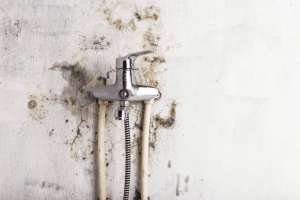
    Promptly address any water leaks or damage: If you notice any signs of water damage, such as discoloured or bulging walls, act quickly to repair the issue to prevent mould growth.


    Use mould-resistant materials: When renovating or repairing your property, consider using mould-resistant materials such as drywall or paint with mould inhibitors.


    Maintain proper ventilation: Ensure that your property has proper ventilation to control humidity levels and prevent excessive water vapour accumulation.


    Promote regular cleaning practices: Encourage tenants or employees to regularly clean and maintain their workspaces to prevent the accumulation of dust and other particles that can contribute to mould growth.


    Ensure proper drainage systems: Make sure that your property’s drainage systems are functioning correctly to prevent standing water or moisture accumulation.


    Monitor humidity levels: Use a hygrometer to monitor the humidity levels in your property and take action if the levels are excessively high.


    Educate tenants or employees: Inform tenants or employees about the potential health hazards of mould and the importance of mould prevention measures such as regular cleaning and prompt reporting of any water leaks or damage.


    Partner with a professional mould removal service: If you do experience a mould problem, seek the assistance of a professional mould specialists such as AirFresh Mould Removal London for safe and effective removal.


    By following these tips, you can effectively prevent mould growth and maintain a healthy and safe environment for your tenants or employees in your commercial property.


    Why Hire Professional Mould Removal Services


    If you discover mould in your commercial property, it is important not to attempt removal yourself. DIY mould removal can be hazardous and may not effectively eliminate the problem.


    Seeking the services of professional mould experts, such as AirFresh Mould Removal London, is recommended to ensure thorough and safe mould removal.


    Professional mould specialists have the necessary equipment, expertise, and knowledge to identify the type of mould and the most effective and safe method of removal.


    They can also identify the underlying cause of the mould growth and advise on the necessary steps to prevent its recurrence.


    Advantages of Expert Mould Cleaning Services


    Professional mould cleaning services offer numerous benefits that can help commercial property owners prevent mould growth and ensure a healthier environment for tenants or employees.


    Here are some of the advantages of hiring mould expert cleaners:


    Advantages Description
    Thorough cleaning Expert mould cleaners have the knowledge and equipment to remove mould effectively from all areas of a commercial property, including hard-to-reach spots. They can also sanitise the affected areas, reducing the risk of reoccurrence.
    Prevent health hazards Mould can pose serious health risks, especially for individuals with allergies or respiratory conditions. Professional mould cleaning services can help prevent these health hazards by ensuring that all mould is completely removed and the area is cleaned and disinfected.
    Save time and money Hiring professional mould cleaners can save commercial property owners time and money in the long run. Experienced cleaners can efficiently remove mould, preventing further damage to the property and avoiding costly repairs.
    Expert advice Professional mould cleaners can offer expert advice on preventing mould growth in the future. They can make recommendations on ventilation, moisture control, and other strategies to reduce the risk of mould growth in the property.


    Overall, hiring a professional mould cleaning service can be a valuable investment for commercial property owners, helping to maintain a safe and healthy environment for everyone in the building.


    Contact AirFresh Mould Removal London today to learn more about our expert mould cleaning services.


    Conclusion


    As a commercial property owner in the UK, your responsibility extends beyond providing a safe and healthy working or living environment.


    It is essential to prioritise the prevention and removal of mould, which can pose significant health risks and damage to your property.


    By understanding how mould grows in commercial properties and implementing effective prevention strategies such as regular maintenance, controlling moisture levels, and improving ventilation, you can minimise the risk of mould growth.


    It is important to note that attempting to remove mould yourself can be hazardous and ineffective.


    Seeking the services of professional mould removal and cleaning experts like AirFresh Mould Removal London, can provide comprehensive and safe solutions to ensure thorough removal and minimise the risk of recurrence.


    Stay proactive in mould prevention and take the necessary steps to ensure a safe and healthy commercial property for yourself, your tenants, and your employees.


    FAQ


    Q: How can I prevent mould growth in my commercial property?


    A: To prevent mould growth, it is important to regularly inspect your property for water damage or leaks. Ensure proper ventilation and control moisture levels. Promptly address any moisture-related issues and conduct regular cleaning practices.


    Q: What are the potential health hazards caused by mould?


    A: Mould can cause allergic reactions, respiratory issues, and other health problems. It is important to implement effective mould prevention strategies to protect the health of individuals working or residing in commercial properties.


    Q: What are some effective mould prevention strategies for commercial properties?


    A: Effective mould prevention strategies include regular inspections, proper ventilation, humidity control, and prompt repairs of any moisture-related issues. These strategies are crucial for maintaining a healthy and safe commercial property.


    Q: How can commercial building maintenance help prevent mould?


    A: Regular and proactive maintenance plays a vital role in mould prevention. Conduct routine inspections, address maintenance issues promptly, and educate tenants about mould prevention measures to minimise the risk of mould growth.


    Q: What are some key mould prevention methods for commercial properties?


    A: Key mould prevention methods include controlling moisture levels, improving ventilation, using dehumidifiers, ensuring proper insulation, and promoting regular cleaning practices. These methods can effectively prevent mould growth in commercial properties.


    Q: What are some practical tips for mould prevention in commercial property owners?


    A: Practical tips for mould prevention include promptly repairing water leaks, using mould-resistant materials, educating tenants or employees about mould prevention, and maintaining proper drainage systems. Following these tips can enhance mould prevention efforts.


    Q: Is it necessary to hire professional mould removal services for commercial properties?


    A: It is essential to understand that attempting to remove mould yourself can be hazardous and may not effectively eliminate the problem. It is recommended to seek the services of professional mould removal experts to ensure thorough and safe mould removal.


    Q: What are the benefits of expert mould cleaning services for commercial properties?


    A: Professional mould cleaning services provide comprehensive solutions for commercial property owners. Expert cleaners have the knowledge, tools, and techniques to not only remove mould but also sanitise and restore affected areas, minimising the risk of recurrence.


    Protect your commercial property from mould damage with professional mould prevention services. Call us Mould Removal in London 0203 130 4068 for a free consultation.

  • Tackling Mould in UK Warehouses: Top Tips for Storage Units

    Tackling Mould in UK Warehouses: Top Tips for Storage Units

    If you own or operate a warehouse, you understand the importance of providing a safe and secure space to store goods.


    However, one issue that you may not have considered is the growth of mould. Mould is a common problem in UK warehouses, and it can cause serious damage to your stored items and pose a health hazard to your staff.


    In this article, we will provide you with top tips for preventing and eliminating mould growth in your storage units.


    Key Takeaways


    • Mould growth in warehouses can damage stored items and pose health hazards to staff.
    • Common causes of mould in warehouses include high humidity levels, poor ventilation, water leaks, and inadequate insulation.
    • Effective prevention strategies include maintaining proper ventilation, controlling humidity levels, conducting regular inspections, and addressing any water leaks promptly.
    • Hiring professionals experienced in mould detection is crucial for conducting thorough inspections and safe mould removal.
    • Investing in effective warehouse infrastructure and educating staff on mould prevention are important in maintaining a mould-free facility.


    Statistics and Data on Mould in Warehouses


    Consider these statistics and data if you’re dealing with mould in warehouses.


    • According to a recent study by the British Property Federation, 40% of warehouses in the UK have experienced mould growth.
    • Maintaining a humidity level of 60% or below can be done to prevent mould growth in warehouses.
    • The average cost of mould remediation in a warehouse is £10,000.
    • The average time to remediate mould in a warehouse is 6 weeks.
    • Mould can cause productivity losses of up to 20%.
    • Mould can lead to employee absenteeism of up to 10%.


    Mould is a growing problem in warehouses in the UK and can have a number of negative consequences for warehouses


    Understanding the Causes of Mould Growth in Warehouses


    If you want to prevent mould growth in your warehouse, you need to understand what causes it in the first place.


    Mould typically thrives in environments with high humidity levels and poor ventilation. These conditions can create a breeding ground for mould spores to spread rapidly and easily.


    In addition to high humidity levels and poor ventilation, water leaks and inadequate insulation can also contribute to mould growth in warehouses.


    Water leaks can raise humidity levels and lead to damp conditions, while inadequate insulation can cause condensation to form on walls and other surfaces, creating ideal conditions for mould to grow.


    Identifying the Causes of Mould Growth in Warehouses


    To effectively prevent mould growth, it’s important to identify the root causes.


    Conduct thorough inspections of your warehouse, paying close attention to areas with poor ventilation, water damage, or signs of condensation.


    Use moisture meters and other monitoring tools to identify areas with excess humidity levels.


    Address any issues with ventilation or insulation promptly, and fix any leaks or water damage as soon as possible.


    Implementing proactive measures to prevent mould growth can save you time and money in the long run, as it can help prevent damage to your stored items and potential health risks for employees.


    Implementing Effective Mould Prevention Strategies in Warehouses

    Implementing Effective Mould Prevention Strategies in Warehouses

    To prevent mould growth in your warehouse, follow these effective strategies:


    Control humidity levels: Keep humidity levels between 30-50% to prevent moisture buildup. Use dehumidifiers or air conditioners to regulate humidity levels.


    Maintain proper ventilation: Ensure adequate air flow throughout the facility to prevent stagnant air and humidity buildup. Clean air ducts regularly and consider installing exhaust fans in areas prone to moisture buildup.


    Organise inventory: Poorly organised inventory can create mould-friendly conditions. Keep items spaced apart and off the floor to ensure proper air flow.


    Address water leaks promptly: Water leaks can quickly lead to mould growth. Inspect for leaks regularly and repair them as soon as possible.


    Conduct regular inspections: Regular visual inspections can help detect mould growth early on. Keep an eye out for signs of moisture, such as water stains or condensation.


    Use moisture-resistant materials: Use materials that resist moisture, such as plastic storage containers or metal shelving units. Avoid using materials that absorb moisture, such as cardboard boxes or wooden pallets.


    By implementing these strategies, you can effectively prevent mould growth in your warehouse and maintain a healthy storage environment.


    Conducting Regular Warehouse Mould Inspections


    To effectively prevent and address mould growth in your warehouse, it is crucial to conduct regular mould inspections.


    Visual assessments, moisture measurements, and air quality testing are essential to identify areas of concern and take appropriate action.


    During a visual assessment, look for signs of water damage, leaks, and condensation. Inspect any areas where moisture may accumulate, such as corners, behind equipment, and inside ductwork.


    Moisture meters and hygrometers can be used to measure moisture levels and identify potential problem areas.


    Air quality testing can also help identify the presence of mould spores in the air. This is important because mould can grow in hidden areas where it may not be visible, such as inside walls or under flooring.


    Professional mould inspectors have the experience and expertise to conduct thorough and accurate assessments.


    If you suspect or have identified a mould problem, it is important to address it promptly. Delaying remediation can lead to further damage to stored items, as well as potential health risks for warehouse staff and visitors.


    Choosing a Professional Mould Removal in Warehouses


    If you have detected mould growth in your warehouse, it is crucial to address the issue promptly and effectively.


    Attempting to remove mould without proper knowledge and equipment can pose health hazards and may result in further damage.


    That’s why it’s important to hire a professional mould cleaning service for warehouse remediation.


    These experts have the experience, equipment, and knowledge necessary to safely and effectively eliminate mould growth and prevent its recurrence.


    When choosing a professional mould removal service, look for a company with a proven track record of success in warehouse mould remediation. Ask about their experience, certifications, and the techniques they use.


    It’s also important to consider the company’s availability and the timeline for the project. Choose a service that can work around your schedule and provide prompt service to minimise disruption to your warehouse operations.


    At AirFresh Mould Removal London, we pride ourselves on expert and professional warehouse mould removal.


    Our team of experienced technicians uses state-of-the-art equipment and techniques to effectively remediate mould growth and prevent its recurrence.


    Contact us today to schedule a consultation and take the first step towards a mould-free warehouse.


    Effective Methods for Warehouse Mould Removal


    When it comes to warehouse mould removal, effectiveness and thoroughness are essential. Here are some proven methods for getting rid of mould in warehouses:


    Method Description
    HEPA Vacuuming A high-efficiency particulate air (HEPA) vacuum can effectively remove mould spores from surfaces and the air. The vacuum should be equipped with a HEPA filter to prevent spores from escaping into the air.
    Surface Cleaning with Antimicrobial Agents Antimicrobial agents can be used to disinfect surfaces contaminated with mould. It’s important to use the appropriate antimicrobial agent for the type of mould present and to follow manufacturer instructions for use.
    Air Scrubbing An air scrubber can be used to capture and remove mould spores from the air. This equipment is particularly useful for larger warehouse spaces where airborne mould spores may be more difficult to control.


    It’s important to note that simply removing visible mould is not always enough. Mould can grow in hidden areas, such as within wall cavities or behind ceilings.


    Professional mould specialists can use specialised equipment like thermal imaging cameras to identify such areas and ensure complete removal.


    After mould removal, it’s crucial to address the underlying issues that caused the mould growth in the first place.


    Any water leaks should be addressed promptly, and humidity levels should be monitored and controlled. Proper ventilation and storage practices can also help prevent mould recurrence.


    Maintaining Mould-Free Warehouses


    To maintain a mould-free warehouse, it is crucial to conduct regular inspections, repairs and continuous monitoring of humidity levels.


    Here are some essential tips for keeping your warehouse free from mould:


    Conduct regular inspections: Regular inspections help identify mould-friendly conditions and prevent mould recurrence.


    Repair water leaks promptly: Water leaks contribute to high humidity levels, creating ideal conditions for mould growth. Timely repairs help prevent mould development.


    Control humidity levels: High humidity levels encourage mould growth. Keep humidity levels below 60% to prevent mould development.


    Use dehumidifiers: Dehumidifiers can help control humidity levels in the warehouse.


    Proper ventilation: Proper ventilation helps maintain adequate airflow, reducing humidity levels and preventing mould growth.


    Organise inventory: Proper storage prevents mould-friendly conditions such as overcrowding, poor airflow and humidity trapping.


    Monitor humidity levels: Regular monitoring of humidity levels can identify potential mould growth conditions and help prevent its development.


    Implementing these measures can help maintain a mould-free warehouse, protecting the stored items and ensuring a healthy environment.


    Educating Warehouse Staff on Mould Prevention


    As an owner or manager of a warehouse, it is essential to educate your staff on mould prevention strategies to maintain a healthy environment for stored items and employees.


    Proper staff training is crucial in preventing mould growth and spread. You should consider providing training on proper storage practices, ventilation, and identifying early signs of mould growth. Ensure all staff understand the need to report any leaks or mould sightings immediately.


    It is also important to emphasise the role of staff in maintaining a mould-free facility. Educate your employees on the consequences of poor storage practices, such as piling items against walls or storing them in damp areas.


    Proper cleaning and maintenance practices must also be discussed during staff training.


    By educating your staff and providing them with the necessary training, warehouse owners can ensure a mould-free environment and protect their stored items and employees’ health.


    Investing in Effective Warehouse Infrastructure


    To prevent mould growth in your warehouse, it is essential to invest in effective infrastructure. Proper insulation, moisture barriers, and ventilation systems are all crucial components of a mould-resistant environment.


    By improving your warehouse infrastructure, you can reduce the risk of mould growth and protect your stored items from damage.


    Insulation is key for maintaining consistent temperature and humidity levels. When the temperature drops in winter, insulation can help keep your warehouse warm and prevent condensation from forming on surfaces.


    Moisture barriers, such as sealants or waterproof coatings, can help prevent water from seeping into your warehouse and creating damp conditions that promote mould growth.


    Effective ventilation systems are also important for controlling humidity levels and preventing the build-up of moisture.


    Proper ventilation helps to circulate air and remove excess humidity, reducing the risk of mould growth.


    If your warehouse lacks sufficient ventilation, consider investing in a dehumidifier or installing additional ventilation systems.


    Monitoring and Early Detection of Mould Growth

    Monitoring and Early Detection of Mould Growth

    Effective mould prevention involves monitoring storage units for early detection of mould growth.


    This helps in identifying potential mould-friendly conditions and acting promptly to prevent further damage.


    One way to monitor your warehouse for mould is by using moisture meters and other monitoring tools. These devices help in identifying areas with high humidity levels, which can trigger mould growth.


    Regular inspections of the warehouse, especially after heavy rain or flooding, are also important.


    If you notice any signs of mould growth, such as a musty odour or discoloured spots, it’s crucial to take quick action.


    Early detection and treatment of mould help in preventing further damage and minimising the risk of health issues.


    Remember, mould can grow quickly, and it’s more challenging and expensive to remove once it spreads.


    Always be proactive in monitoring and early detection in your warehouse to prevent this from happening.


    Conclusion


    As a warehouse owner or manager, it’s crucial to take proactive measures to prevent and eliminate mould growth in your storage units.


    Not only can mould damage your stored items, but it can also pose significant health risks to your staff.


    By understanding the causes of mould growth and implementing effective prevention strategies, you can maintain a healthy and safe storage environment.


    Regular inspections are also an essential part of mould prevention, and hiring professionals experienced in mould detection is recommended to ensure thorough and accurate inspections.


    In the event of mould growth, it’s crucial to hire a professional mould experts like AirFresh Mould Removal London for safe and effective remediation.


    Encourage your warehouse staff to participate in mould prevention measures by providing training on proper storage practices and reporting of leaks or mould sightings.


    Consider investing in infrastructure improvements to create a mould-resistant environment for your storage units.


    By monitoring for early detection and taking prompt action, you can prevent further damage and maintain a mould-free facility.


    Take the necessary steps to tackle mould growth in your UK warehouse today, and protect your stored items and staff from potential harm.


    FAQ


    Q: What are the common causes of mould in warehouses?


    A: Mould growth in warehouses is often caused by factors such as high humidity levels, poor ventilation, water leaks, and inadequate insulation.


    Q: How can I prevent mould growth in my warehouse?


    A: Implementing effective mould prevention strategies includes maintaining proper ventilation, controlling humidity levels, conducting regular inspections, and addressing water leaks promptly.


    Q: Why is conducting regular warehouse mould inspections important?


    A: Regular inspections help detect and prevent mould issues in warehouses by assessing visual signs, measuring moisture levels, and conducting air quality testing.


    Q: Is it necessary to hire a professional mould removal service for warehouse remediation?


    A: Yes, hiring a professional mould removal service is crucial for safe and effective mould elimination, as attempting removal without proper knowledge and equipment can pose health risks.


    Q: What are effective methods for warehouse mould removal?


    A: Effective methods for warehouse mould removal include HEPA vacuuming, surface cleaning with antimicrobial agents, and the use of specialised equipment like air scrubbers to prevent regrowth.


    Q: How can I maintain a mould-free warehouse?


    A: Maintaining a mould-free warehouse requires regular inspections, prompt repairs of leaks or damage, and continuous monitoring of humidity levels to prevent mould recurrence.


    Q: How can I educate my warehouse staff on mould prevention?


    A: Educating warehouse staff on proper storage practices, the importance of ventilation, and prompt reporting of leaks or mould sightings is crucial in maintaining a mould-free facility.


    Q: Is investing in warehouse infrastructure improvements necessary for mould prevention?


    A: Yes, investing in proper insulation, moisture barriers, and effective ventilation systems is essential for preventing mould growth in warehouses.


    Q: How important is monitoring and early detection of mould growth in storage units?


    A: Monitoring storage units for early detection of mould growth using moisture meters and other tools is crucial to prevent further damage and address mould issues promptly.


    Are you concerned about mould in your warehouse? We can help you get rid of the mould and prevent it from coming back.


    Call us today on 0203 130 4068 for a free consultation.
  • The True Cost Of Mould In Commercial Premises If You Overlook It

    The True Cost Of Mould In Commercial Premises If You Overlook It

    As a business owner, you understand how crucial it is to maintain a healthy and safe working environment for your employees and customers.


    However, one issue that is often overlooked and can have severe consequences is the presence of mould in commercial premises.


    Ignoring mould can not only lead to potential health risks but can also have a significant financial impact on your business.


    The cost of mould in commercial premises can quickly spiral out of control if left untreated, affecting your reputation and bottom line.


    In this article, we’ll look into real cost of mould in businesses if you overlook and take it for granted.


    Key Takeaways:


    • Ignoring mould in commercial premises can lead to potential health risks and significant financial losses.
    • It is essential to understand the health hazards associated with mould and the financial implications of ignoring it.

    Understanding the Health Risks of Mould in Commercial Premises


    If left unchecked, mould growth in your commercial premises can pose a severe risk to the health of your employees and customers.


    The spores released by mould can trigger allergic reactions and respiratory problems, leading to asthma, headaches, and other health issues.


    Professional mould inspection and testing services are critical to assess the severity of the problem accurately.


    Without proper assessment, exposure to mould can lead to various health conditions, resulting in potential legal and financial implications for your business.

    “Mould isn’t just unsightly; it’s a serious health hazard that can cause respiratory problems, headaches, and trigger allergies. Ignoring it means putting your employees and customers at risk.”

    When it comes to mould inspection cost, the investment far outweighs the potential consequences. Testing can detect the type of mould present, its concentration, and the factors contributing to its growth.


    Armed with this information, you can take necessary steps to prevent health risks and other hazards that may affect your business.


    Professional Mould Testing: Why You Need It


    While DIY testing kits are available, they may not provide an accurate analysis of the mould problem in your commercial property.


    Professional mould testing can detect hidden mould growth in your building’s structure and identify the source of the problem, allowing for effective removal.


    Failure to carry out proper testing may result in incomplete removal, leading to future growth and further health and financial implications.


    Professional commercial mould testing cost may vary, but it is worth the investment to ensure the safety and health of your employees and customers.


    The Value of Professional Mould Inspection

    The Value of Professional Mould Inspection

    Professional mould inspection is the first step towards addressing mould in your commercial premises.


    What is mould inspection? The inspection process involves a thorough assessment of your building’s structure to identify any visible or hidden mould growth.


    Qualified inspectors can determine the extent of the problem and recommend appropriate strategies to prevent further growth.


    They can also advise on effective mould remediation plans and provide commercial mould testing to ensure the success of the remediation process.


    Choosing a reputable mould inspection service is critical to ensure accurate assessments and recommendations.


    Look for certified experts with a proven track record, positive customer reviews, and a commitment to delivering effective solutions.


    The Financial Impact of Mould in Commercial Premises


    If left unchecked, mould in commercial premises can result in significant financial losses for businesses.


    The costs associated with mould removal and remediation can be steep, with expenses escalating rapidly if not addressed promptly.


    Costs of Mould in Commercial Premises Approximate Cost
    Mould Inspection £300 – £500
    Commercial Mould Testing £500 – £1,000
    Mould Removal and Remediation £500 – £5,000
    Business Interruption Varies
    Loss of Reputation Varies


    As you can see, the cost of mould in commercial premises can quickly add up if not dealt with promptly and effectively.


    In addition to the direct costs, the indirect costs of business interruption and loss of reputation can be significant.

    Ignoring the problem can lead to greater expenses and long-term consequences, making it essential that businesses take mould growth seriously and address it in a timely and professional manner.

    Importance of Professional Mould Removal Services for Commercial Spaces


    When it comes to mould removal in commercial properties, hiring professional mould removal services is crucial.


    Unlike residential properties, commercial spaces often have more complex HVAC systems and larger affected areas.


    Attempting to remove mould without professional assistance can lead to further damage and health hazards.


    Professional mould experts have the necessary knowledge, experience, and equipment to safely and effectively remove mould from commercial properties.


    They are trained to identify the extent of the mould growth and properly contain the affected area to prevent further spread.


    Benefits on Hiring Mould Removal Experts


    By hiring a professional mould cleaning service for your commercial space, you can benefit from:


      • Expert knowledge on mould removal techniques and products
      • Proper containment of the affected area to prevent further spread
      • Thorough inspection and assessment to identify the source and extent of the mould problem
      • Safe removal of the mould, including the use of advanced equipment and protective gear
      • Cleaning and disinfecting of affected areas to restore a healthy environment
      • Prevention of future mould growth through the implementation of moisture control measures
      • Compliance with health and safety regulations and industry standards
      • Minimisation of business interruption and associated financial losses


    Professional mould removal services will also provide you with a detailed plan for preventing future mould growth and improving indoor air quality in your commercial property.


    Urgency of Mould Prevention Strategies for Commercial Buildings


    Preventing mould growth in commercial buildings is crucial for protecting the health and wellbeing of your employees and clients. Below are some effective strategies to implement:


    • Ensure proper ventilation throughout the building to allow air to circulate freely and prevent moisture buildup.
    • Maintain adequate humidity levels, generally between 30-60%, to inhibit mould growth.
    • Regularly inspect the property for signs of mould or water damage, such as leaks or condensation, and address them promptly.
    • Implement routine maintenance tasks, such as cleaning air conditioning systems and replacing filters, to reduce the risk of mould accumulation.
    • Store materials and equipment properly to prevent excess moisture from accumulating in storage areas.
    • Train employees on proper cleaning procedures and provide them with the necessary tools and equipment to ensure a hygienic environment.


    By consistently implementing these strategies, you can significantly reduce the risk of mould growth in your commercial premises and protect the health and safety of everyone inside.


    The Dangers of DIY Mould Removal in Commercial Premises


    If you’ve discovered mould in your commercial premises, it’s essential to take immediate action and seek professional mould removal services.


    Attempting to remove the mould yourself may seem like a cost-effective solution, but it can actually lead to severe health risks, financial losses and further damage to your property.


    Why is DIY Mould Removal Dangerous?

    Removing mould can be hazardous, and the risks involved are often underestimated. Mould spores can become airborne and spread quickly, increasing the risk of respiratory problems and allergic reactions. Without the proper equipment and protective gear, you could expose yourself and others to these health hazards.

    What are the Risks of Incorrect Mould Removal?

    Incorrect mould removal can cause additional health hazards and financial losses. For example, many DIY mould removal methods do not address the root cause of the mould growth, which can result in the issue recurring. Furthermore, inadequate mould removal may cause structural damage, leading to costly repairs and potential business interruptions.

    Why is Professional Mould Removal Necessary?

    Professional mould removal services are essential for commercial premises as they have the necessary expertise, knowledge and equipment to tackle the root cause of the problem. They can also help identify and correct the underlying moisture issues causing the mould growth, preventing it from reoccurring. Additionally, professional mould removal services can minimise health risks, prevent property damage and reduce business interruption or reputational harm.

    If you suspect mould in your commercial premises, avoid the dangers of DIY mould removal and contact a professional commercial mould removal service.


    They will provide expert advice, safe and effective remediation and prevent further damage to your business.


    The Costs Associated with Mould Treatment and Cleanup


    Mould treatment and cleanup costs can vary depending on the extent of the problem and the size of the affected area.


    The costs of commercial mould removal tend to be higher than those of residential properties due to the increased level of expertise and equipment required.


    On average, mould inspection and testing costs in commercial buildings range from £300 to £800, depending on the size and complexity of the property.


    The cost of mould removal can range from £500 to £5,000 or more, depending on the severity of the infestation and the type of mould present.


    The cost of commercial mould remediation will depend on several factors, including the size of the affected area, the materials involved, and the extent of the damage caused by the mould. The cost may increase if additional services are required, such as HVAC duct cleaning or furniture restoration.


    It is crucial to note that the cost of mould treatment and cleanup should not be the sole determining factor when choosing a mould removal service.


    Hire experienced professionals who can effectively address the problem and prevent future mould growth, ultimately saving your business from potential health and financial risks.


    Choosing the Right Mould Removal Expert for Commercial Premises


    When it comes to mould removal in commercial properties, it is crucial to choose the right expert for the job.


    The wrong choice can result in further health risks and financial losses, as well as inadequate remediation that may lead to recurring mould growth.


    Consider the following factors when selecting a mould removal service:


    Factor Importance
    Certifications Ensure the company has appropriate certifications for mould removal in commercial spaces. This includes certificates from the Institute of Inspection, Cleaning and Restoration Certification (IICRC) and the National Organisation of Remediators and Mould Inspectors (NORMI).
    Experience Check the company’s experience in dealing with commercial mould emergencies. Look for reviews, testimonials or case studies that back up their claims.
    Equipment Ensure the company uses the latest equipment that complies with industry standards. This includes HEPA vacuums, air scrubbers, and negative air machines.
    Customer service Choose a company that offers prompt, courteous and professional customer service. They should be available 24/7 to respond to emergencies.


    By choosing a reputable mould removal service provider, you can protect your business from the dangers of mould and ensure a safe and healthy working environment for your employees and customers.


    Take Action: Protect Your Business from Mould in Commercial Premises

    Take Action: Protect Your Business from Mould in Commercial Premises

    If you suspect that there is mould in your commercial premises, it’s essential to act quickly. Ignoring the issue can lead to severe health and financial consequences for your business.


    The first step is to schedule a professional mould inspection to assess the extent of the problem accurately. Avoid the temptation to attempt cleaning the mould yourself, as this can be hazardous and ineffective.


    Once the problem has been identified, hire a reliable and experienced mould removal service that specialises in commercial properties.


    Take the time to research potential companies, checking for certifications, experience, and customer reviews to ensure you choose the right fit for your business.


    It’s also vital to take preventative measures to reduce the risk of future mould growth. This includes maintaining optimal humidity levels, ensuring proper ventilation, and scheduling regular maintenance and inspections.


    By taking proactive steps to address mould issues in your commercial premises, you can protect the health and safety of your employees and customers while safeguarding your business from potential financial losses and reputational damage.


    Conclusion


    As a business owner or manager, ignoring mould in your commercial premises can have severe consequences.


    The potential health risks to your employees and customers cannot be overstated, and the financial losses resulting from property damage, business interruption, and reputational harm can be significant.


    To protect your business, it is essential to take a proactive approach to address mould issues in your commercial space. This includes conducting regular mould inspections, implementing prevention strategies, and hiring professional mould specialists.


    FAQ


    Q: What are the potential health risks of mould in commercial premises?


    A: Mould in commercial premises can lead to various health issues, including allergies, respiratory problems, and asthma. It can also aggravate existing conditions and impact employee productivity and wellbeing.


    Q: How much does mould inspection and testing cost for commercial premises?


    A: The cost of mould inspection and testing for commercial premises can vary depending on the size of the building and the extent of the issue. It is best to contact a professional mould inspection company for an accurate quote.


    Q: What are the financial implications and true cost of mould in commercial premises?


    A: Mould in commercial premises can result in significant financial losses. This includes the cost of mould removal and remediation, business interruption, and potential damage to a company’s reputation.


    Q: Why is it important to hire professional mould removal services for commercial spaces?


    A: Professional mould removal services for commercial spaces are crucial because they have the knowledge, experience, and equipment to safely and effectively eliminate mould. DIY attempts can be risky and may not fully eliminate the problem.


    Q: What are some preventive strategies for mould growth in commercial buildings?


    A: Preventive strategies for mould growth in commercial buildings include maintaining proper ventilation, controlling humidity levels, conducting regular inspections, and implementing maintenance routines.


    Q: What are the risks of DIY mould removal in commercial premises?


    A: DIY mould removal in commercial premises can be hazardous and ineffective. It may not address the root cause and can lead to further contamination or health risks. Professional assistance is recommended.


    Q: What are the costs associated with mould treatment and cleanup in commercial properties?


    A: The costs associated with mould treatment and cleanup in commercial properties can vary depending on factors such as the size of the affected area and the extent of the mould. It is advisable to consult with mould removal experts for accurate estimates.


    Q: How can businesses choose the right mould removal expert for their commercial premises?


    A: When selecting a mould removal expert for commercial premises, businesses should consider certifications, experience, and customer reviews. It is essential to choose a reputable and experienced professional.


    Q: What are the benefits of regular mould inspections in commercial buildings?


    A: Regular mould inspections in commercial buildings can help detect mould early, preventing extensive growth and minimising health and financial risks. It allows businesses to take prompt action and maintain a safe environment.


    Q: How can businesses protect themselves from mould in commercial premises?


    A: Businesses can protect themselves from mould in commercial premises by taking prompt action, including contacting professional mould removal services like AirFresh Mould Removal London. This ensures a safe and healthy working environment for employees and customers.


    Q: Why is mould remediation important in commercial premises?


    A: Mould remediation in commercial premises is crucial to restore a safe and mould-free environment. Professional remediation services can effectively eliminate mould and prevent its recurrence, protecting the health and wellbeing of occupants.


    Are you concerned about the cost of mould in your commercial premises? If so, don’t hesitate to contact us today for a free consultation.
     

    We can help you assess the extent of the problem and recommend the best course of action. We are experts in mould remediation and can get rid of mould quickly and effectively, without disrupting your business.


    Call us on Mould London Hotline 0203 130 4068 to learn more.

  • Office Mould Causes & Air Conditioning: The Hidden Link in British Workspaces

    Office Mould Causes & Air Conditioning: The Hidden Link in British Workspaces

    If you work in an office in the United Kingdom, you may have noticed a musty odour or strange discolouration on the walls or ceiling.


    These could be signs of office mould, a common problem in workplaces that can have serious health implications.


    We have seen firsthand the damage that mould can do to office environments. It can cause staining, and structural damage to office walls and furniture.


    It can also release harmful spores into the air, which can trigger respiratory problems, allergies, and asthma.


    In this article we’ll look into office mould causes and on how they are are often linked to air conditioning systems.


    We’ll get to know the factors that contribute to mould problems in office environments and on how it is crucial to prevent and address these issues.


    Key Takeaways:


    • Office mould causes are often linked to improperly maintained air conditioning systems.
    • Factors like humidity, lack of ventilation, and moisture sources like leaks or condensation can contribute to mould growth in offices.
    • Preventing office mould growth requires measures like controlling humidity levels and addressing moisture issues promptly.

    Understanding the Office Mould Causes


    Now that you’re aware of the connection between air conditioning systems and mould growth, it’s important to understand all the factors that contribute to mould in the workplace.


    mould thrives in environments that are warm and damp, so offices that experience high humidity levels are at a higher risk of mould growth.


    Lack of ventilation can also contribute to the buildup of moisture, as can water leaks or condensation from pipes, roofing, or windows.


    Poor air quality can also contribute to mould growth. This can include air contamination from external sources or airborne pollutants within the building.


    It’s crucial to be aware of these factors, as they provide a breeding ground for mould spores, which can quickly multiply and spread throughout the workplace.


    Controlling Humidity Levels


    One of the keys to preventing mould is controlling humidity levels. The ideal humidity level for offices is between 30% to 60%. Investing in a dehumidifier can help to regulate and maintain these levels.


    Additionally, regularly checking and emptying drip pans from air conditioning units can prevent excess moisture from building up.


    Improving Ventilation


    Improving ventilation is another crucial factor in preventing mould growth. Good airflow can prevent moisture from accumulating in the air and on surfaces.


    This can include factors such as opening windows, installing additional fans, or using air purifiers to clean the air.


    Promptly Addressing Leaks or Moisture Issues


    Addressing any water leaks or moisture issues in the workplace is critical in preventing mould growth.


    Any leaks or spills should be addressed immediately to prevent the moisture from seeping into the walls or floors.


    Additionally, any water-damaged materials should be replaced as soon as possible to prevent mould growth.


    By being aware of the factors that contribute to mould growth, you can take steps to prevent mould problems in your workplace.


    In the next section, we’ll dive deeper into the role that air conditioning systems play in mould growth and how to prevent it.


    The Role of Air Conditioning Systems in mould Growth


    If you work in an office, you’re likely familiar with the sound of the air conditioning running for hours on end.


    While it may keep you cool and comfortable, did you know that your office’s air conditioning system could also be contributing to mould growth?


    mould thrives in environments with high humidity and moisture levels, making air conditioning systems a prime location for growth.


    If your office’s air conditioning system is not properly maintained, it can create a breeding ground for mould spores to develop and spread.


    Common sources of mould growth in air conditioning systems Impact on office occupants
    Moisture buildup in the air handler unit Increased risk of respiratory issues, allergies, and other health problems
    Clogged drain lines or drip pans Unpleasant odors, reduced air quality, and potential property damage
    Ductwork condensation Discoloration of walls and ceilings, as well as a musty smell


    Preventative maintenance is key to preventing mould growth in air conditioning systems. Regular inspections and cleaning of the unit, ductwork, and drip pans can help keep moisture levels under control and inhibit mould growth.


    Additionally, it’s important to address any water leaks or moisture issues promptly to prevent mould from spreading to other areas of the building.


    Don’t overlook the role that your office’s air conditioning system plays in mould growth. By taking preventative measures and staying vigilant, you can create a safe and healthy work environment for yourself and your colleagues.


    Preventing Office mould Growth

    Preventing Office mould Growth

    To prevent office mould growth, it is essential to take proactive measures to identify and address any underlying causes. Follow these practical tips and recommendations:


    • Maintain humidity levels between 30-60% to minimise moisture in the air.
    • Ensure adequate ventilation by opening windows or running HVAC systems.
    • Address water leaks or moisture sources promptly and thoroughly.
    • Conduct regular cleaning and maintenance of surfaces and HVAC systems.
    • Promote awareness among employees of the risks associated with mould growth and the steps they can take to prevent it.


    By implementing these measures, you can create a healthy office environment and prevent the root causes of office mould from developing.


    Recognising the Signs of mould Issues in Work Environments


    As a responsible office manager, you need to be aware of the signs of mould growth in your workplace. mould can be hidden and go undetected for a long time, but it can cause serious health problems and affect the work environment.


    Here are some common indicators of mould problems in office buildings:


    • Musty or earthy odors
    • Persistent respiratory symptoms among employees, such as coughing, sneezing, and wheezing
    • Visible mould growth on surfaces such as ceilings, walls, and floors
    • Water stains or discoloration on surfaces
    • Condensation on windows or other surfaces


    If you notice any of these signs, it is crucial to take prompt action to prevent the mould from spreading and causing further damage.


    The Dangers of DIY mould Removal in Offices


    If you discover mould in your office, your first instinct may be to attempt to remove it yourself.


    However, DIY mould removal can be a dangerous undertaking. mould spores can pose serious health risks, and improper removal can cause them to spread throughout the office.


    While it may be tempting to save money by handling the problem on your own, the risks far outweigh the potential benefits.


    Instead, it is best to seek professional assistance from a trusted mould removal service like AirFresh Mould Removal London.


    Professional mould removal services have the expertise and specialised equipment necessary to safely and thoroughly remove mould from your office.


    Attempting to remove mould on your own can lead to further damage and contamination, potentially causing more harm than good.


    Furthermore, improper DIY mould removal can also result in legal and financial consequences for your business.


    If mould contamination is not properly addressed, it can lead to costly liability claims and damage to your reputation.

    Don’t risk the health and safety of yourself and your employees. Contact a professional mould removal service for safe and effective mould remediation in your office.

    The Importance of Calling a Professional Mould Removal Service


    If you have detected any signs of mould growth in your office, it is crucial to seek professional help. Attempting to remove mould by yourself can be risky and may not provide a permanent solution.


    Here are some key reasons why you should consider calling a professional mould removal service.


    Expertise: Professional mould removal services have the skills and knowledge to identify the root causes of mould growth and implement effective removal strategies.


    Specialised equipment: Professional services use industry-grade equipment to thoroughly remove mould and address any underlying moisture issues.


    Health risks: Exposure to mould can cause a range of health issues, particularly in vulnerable individuals such as those with allergies or respiratory conditions. Professional services can ensure that the mould is safely and completely removed, reducing the risk of health problems.


    Time and cost savings: Attempting to remove mould on your own can be time-consuming and costly, as you may not have the necessary equipment or expertise. Hiring professional services can save you time and money in the long run by providing a quick and effective solution.


    Overall, calling a professional mould cleaning service like AirFresh Mould Removal London can ensure that your office environment is safe, healthy, and free from mould growth.


    Expert Mould Cleaning Service in London


    If you suspect your office may have a mould problem, it’s important to address it as soon as possible. Attempting to remove the mould on your own can be dangerous and ineffective. That’s where AirFresh Mould Specialists London comes in.


    With years of experience in the industry, AirFresh Mould Removal London provides expert mould cleaning services for commercial properties like offices across the London area.


    Our team of professionals uses specialised equipment and techniques to ensure that the mould is completely eradicated, and all affected areas of your office are thoroughly cleaned and disinfected.


    We understand the urgency of removing mould in the office environment, and that’s why our team is available 24/7 to respond to your needs.


    We pride ourselves on our commitment to delivering high-quality service and satisfaction to our clients. With AirFresh Mould Removal London, you can be confident that your office environment will be safe and healthy for everyone.


    The Impact of Mould on Health and Office Environment


    Mould growth in office spaces can have a significant impact on both the health of employees and the overall office environment.


    When mould spores are present in the air, they can cause a range of respiratory issues, including coughing, wheezing, and throat irritation. In some cases, exposure to mould can even trigger asthma attacks or cause allergic reactions.


    It’s not just the health of employees that is affected by mould growth in offices. The presence of mould can also compromise the structural integrity of the building, causing damage to walls, ceilings, and other surfaces.


    Additionally, mould can give off an unpleasant and musty odour, which can make the office environment less pleasant and welcoming.


    Research has also shown that mould in the workplace can have a negative impact on employee productivity and morale.


    When employees are exposed to mould and its associated health risks, they are more likely to suffer from absenteeism and presenteeism, which can reduce productivity levels and affect the overall success of the business.


    Overall, it’s clear that addressing office mould causes should be a top priority for employers and building owners.


    By taking steps to prevent mould growth and seeking professional assistance when necessary, you can help protect the health and well-being of your employees while also maintaining a safe and positive work environment.


    Taking Action for a Healthy Office Environment


    Preventing mould growth in your office is essential for maintaining the health and well-being of your employees. Here are some actionable steps you can take:


    Maintain proper humidity levels: Keep the humidity level in your office between 30-60% to prevent excess moisture in the air.


    Improve ventilation: Make sure your office has proper ventilation to ensure fresh air is circulating and moisture levels are kept low.


    Fix water leaks: Address any water leaks or moisture sources immediately to prevent mould growth.


    Regular cleaning: Implement a regular cleaning schedule and ensure that high-risk areas, such as bathrooms and kitchens, are cleaned frequently.


    Promote awareness: Educate your employees on the signs of mould growth and encourage them to report any issues or concerns to management.


    By following these steps, you can create a healthy office environment and prevent mould growth from occurring in the first place.


    The Importance of Prioritising mould Prevention in Offices

    The Importance of Prioritizing mould Prevention in Offices

    If you want to maintain a healthy and productive work environment, it’s essential to prioritise mould prevention in your office.


    Not only can mould growth impact your employees’ health, but it can also lead to costly repairs and damage to your reputation.


    By addressing the root causes of office mould causes, such as poor ventilation and moisture sources, you can prevent mould growth from occurring in the first place. Regular maintenance and cleaning routines can also help keep your office free of mould spores.


    It’s important to raise awareness among employees about the significance of mould prevention and encourage them to report any signs of mould issues in a timely manner.


    This can help prevent mould growth from spreading and minimise the potential impact on employee health.


    Remember, if you do encounter mould issues in your office, it’s crucial to seek professional assistance from a reputable mould removal service.


    Attempting to remove mould yourself can be dangerous and may not be thorough enough to eradicate the issue completely.


    By prioritising mould prevention in your office, you can create a safer and healthier working environment for your employees and protect your business from costly mould remediation and reputation damage.


    Studies and data on office mould in the UK


    According to a study by the Health and Safety Executive (HSE), mould is the most common cause of sick building syndrome (SBS) in the UK. SBS is a group of symptoms that can occur when people spend time in a poorly ventilated or humid environment. Symptoms of SBS can include headaches, fatigue, respiratory problems and eye irritation.


    The HSE study found that 25% of office workers in the UK had experienced symptoms of SBS in the past year. The study also found that the risk of SBS was higher in offices with high humidity levels.


    Mould thrives in humid environments. The ideal humidity level for offices is between 40% and 60%. However, humidity levels in offices can often be higher than this, especially in the summer months.


    These studies highlight the importance of controlling humidity levels in offices to prevent mould growth and protect the health of office workers.


    Conclusion


    Now that you understand the connection between air conditioning systems and mould growth in UK offices, it’s important to take action to prevent any potential mould issues.


    Remember that factors such as humidity, lack of ventilation, and moisture sources can contribute to mould growth in your workplace, so it’s important to address these as soon as possible.


    If you notice any signs of mould, such as musty odours or visible growth, it’s essential that you take immediate action.


    Attempting to remove mould yourself can be dangerous, so it’s best to leave it to the professionals. AirFresh Mould Removal London can provide the necessary expertise and equipment for safe and thorough mould remediation in your commercial property.


    By prioritising preventative measures, promoting good ventilation, and regularly maintaining your air conditioning systems, you can create a healthier and more productive office environment.


    Don’t underestimate the impact of mould on your health, your employees’ wellbeing, and your business’s reputation.


    Protect yourself and your colleagues by taking proactive steps to prevent mould growth in your office.


    FAQ


    Q: What are the common factors causing mould in the workplace?


    A: Factors such as high humidity, lack of ventilation, and moisture sources like leaks or condensation contribute to mould growth in office spaces.


    Q: How does air conditioning system affect mould growth in offices?


    A: Improperly maintained HVAC systems can create a favorable environment for mould spores to thrive, making air conditioning systems a common source of mould in offices.


    Q: What can I do to prevent mould growth in my office building?


    A: Controlling humidity levels, improving ventilation, addressing water leaks or moisture issues promptly, and implementing regular cleaning and maintenance routines can help prevent mould growth in office buildings.


    Q: What are the signs of mould issues in work environments?


    A: Musty odors, visible mould growth, and persistent respiratory symptoms among employees are common signs of mould problems in work environments.


    Q: Is it safe to attempt DIY mould removal in offices?


    A: No, attempting to remove mould in offices without professional assistance can be risky as it exposes individuals to potential health hazards associated with mould spores.


    Q: Why is it important to call a professional mould removal service for commercial properties?


    A: Professional mould removal services possess the expertise and specialised equipment necessary for thorough and safe mould remediation in commercial properties like offices.


    Q: Who is AirFresh Mould Removal London?


    A: AirFresh Mould Experts London is an expert mould cleaning service provider in the London area, offering professional and high-quality mould removal services.


    Q: What are the health and environmental impacts of mould in office settings?


    A: mould in office settings can lead to health risks such as allergic reactions and respiratory issues, as well as negatively impact the overall office environment.


    Q: What steps can I take to create a healthy office environment and prevent mould growth?


    A: Regular maintenance, promoting good ventilation, addressing moisture issues promptly, and raising awareness among employees are some actionable steps to create a healthy office environment and prevent mould growth.


    Q: Why is it important to prioritise mould prevention in offices?


    A: Addressing mould causes proactively is important to avoid the financial and reputational costs associated with mould issues, as well as to maintain employee well-being and productivity.


    Now that you know the causes of office mould and its link to air conditioning, are you going to wait further for mould to spread in your premises?


    Call us today at 0203 130 4068 to get a free consultation and learn more about how we can help you keep your office mould-free.

  • Complete UK Guide to Mould Remediation for Business Premises

    Complete UK Guide to Mould Remediation for Business Premises

    If you’re a business owner or manager, dealing with mould in your premises is not only unsightly but can also pose serious health risks to your employees.


    This post aims to provide you with a comprehensive understanding and guide to mould remediation for business premises in the UK.


    We will cover essential tips for removing mould, explain the importance of seeking professional help, and outline the step-by-step mould remediation process.


    By the end of this guide, you will have a clear understanding of the dangers of mould, the best practices for mould remediation, and how to prevent its growth in your premises.


    Key Takeaways:


    • Mould growth in business premises can pose serious health risks to employees.
    • Professional mould remediation is essential for effective and safe removal of mould.
    • The mould remediation process involves containment, removal, and prevention measures.
    • Preventing mould growth requires proper ventilation, moisture control, and regular inspections.


    Data on Mould Remediation for Businesses in UK


    Following are some statistics, data, research, and studies on mould remediation in the UK:


    The cost of mould remediation in the UK is estimated to be £1 billion per year.


    A study by the Chartered Institute of Environmental Health (CIEH) found that 1 in 5 UK businesses have had a problem with mould.


    The CIEH study also found that mould can cause productivity losses of up to 20%.


    A study by the University of Manchester found that exposure to mould can increase the risk of respiratory problems, such as asthma and bronchitis. The study also found that mould exposure can worsen the symptoms of existing respiratory problems.


    If you suspect that there is mould growth in your business premises, it is important to have it removed as soon as possible by a professional mould remediation company.


    The cost of mould remediation will vary depending on the extent of the mould growth, the type of mould, and the location of the mould. In general, mould remediation costs in the UK range from £84 to £2,000.


    Understanding the Dangers of Mould in Business Premises


    Mould is a common problem in commercial buildings, and business owners must take it seriously to ensure the health and safety of their employees.


    Mould can grow in any moist area and can spread quickly, causing serious health problems such as respiratory issues, allergies, and asthma.


    It’s crucial to conduct regular mould inspections in business premises to identify and mitigate potential risks.


    The inspection should cover all areas that are prone to moisture, including bathrooms and kitchens, as well as hidden spaces such as behind walls and under carpets.


    Early detection and remediation are essential to prevent the spread of mould and avoid costly damages.


    Why DIY Mould Removal is Not Recommended in Business Premises


    When faced with mould growth in your business premises, your first instinct may be to attempt DIY mould removal.


    However, it’s important to note that this approach comes with several risks and limitations.


    Firstly, without the proper training and equipment, you may not be able to effectively identify and remove all areas of mould growth.


    This can lead to incomplete mould remediation and the potential for further spread and damage.


    Secondly, DIY mould removal can be hazardous to your health. Mould spores can become airborne during the removal process, causing respiratory issues and allergic reactions.


    Professional mould experts have the necessary protective gear and expertise to safely handle mould removal.


    Finally, attempting DIY mould removal can ultimately end up costing you more money in the long run.


    Incomplete remediation can result in recurring mould growth, and the cost of repairing damages caused by mould can quickly add up.


    For these reasons, it’s highly recommended to seek the services of a professional mould removal company.


    They have the experience, training, and equipment necessary to effectively and safely remove mould from your business premises.


    Remember, when it comes to mould remediation in your business premises, it’s always better to be safe than sorry.


    Trust a professional mould cleaning service to ensure thorough and effective remediation, and to prevent further damage and risks to your health and finances.


    The Mould Remediation Process for Business Premises


    If mould is detected in your business premises, it is crucial to engage a professional mould remediation company to ensure safe and thorough removal.


    The mould remediation process involves several key steps to effectively remediate and prevent future growth.


    Step 1: Containment


    The first step in the mould remediation process is to prevent the spread of spores to uncontaminated areas.


    This involves setting up containment barriers using plastic sheeting and tape, as well as negative air pressure machines to filter the air and isolate the affected area.


    Step 2: Removal


    Once containment is established, the next step is the physical removal of mould. A professional mould specialist will use a range of techniques and equipment to safely remove all visible mould, including surface cleaning, dry ice blasting, and HEPA vacuuming.


    It is important to note that DIY mould removal is not recommended, as it can cause further contamination and health risks.


    Step 3: Treatment


    After mould has been physically removed, the affected area will be treated with biocides and antimicrobial solutions to eliminate any remaining spores and prevent future growth.


    Step 4: Prevention


    The final step in the mould remediation process is to address the underlying cause of the mould growth and implement preventative measures.


    This may involve repairing leaks, improving ventilation, and reducing humidity levels. A reputable mould remediation company will provide guidance and solutions to prevent future mould growth.


    Overall, the mould remediation process for business premises involves a comprehensive and strategic approach to effectively remove mould and prevent it from returning.


    It is important to seek professional help and avoid DIY methods for safe and effective mould remediation.


    Professional Mould Remediation Services for Business Premises

    Professional Mould Remediation Services for Business Premises

    If you are dealing with a mould problem in your business premises, hiring a professional mould remediation service is the best course of action.


    Not only do they have the expertise and specialised equipment needed for thorough remediation, but they also offer a comprehensive approach to preventing further mould growth.


    Commercial mould removal is a complex process that requires specific industry knowledge and training.


    Without proper training and equipment, attempts at DIY mould removal can lead to incomplete remediation, spread of spores, and potential health hazards for employees.


    A reputable mould remediation company will follow best practices in mould remediation, including proper containment, removal, and prevention measures.


    They will also conduct regular inspections to ensure your business premises remain mould-free in the long term.


    Professional mould remediation services are especially important in commercial properties where the presence of mould can have a significant impact on the health and productivity of employees.


    By investing in professional mould remediation, you are prioritising the wellbeing of your staff and creating a safe and healthy work environment.


    At AirFresh Mould Removal London, we provide expert mould remediation services tailored specifically to business premises.


    Our experienced and certified technicians use the latest equipment and techniques to ensure safe and effective mould removal.


    We also offer ongoing maintenance services to prevent future mould growth and help keep your business premises mould-free.


    Preventing Mould in Commercial Buildings


    Mould growth is a common problem in commercial buildings, caused by excess moisture and poor ventilation.


    However, there are several practical steps you can take to prevent mould from taking hold and ensure a safe and healthy work environment.


    Here are some essential tips for preventing mould in commercial buildings:


    • Ensure proper ventilation by opening windows, using exhaust fans, and maintaining HVAC systems
    • Avoid excess moisture by fixing leaks, removing standing water, and using dehumidifiers
    • Regularly clean and dry surfaces, including walls, ceilings, floors, and carpeting
    • Use mould-resistant paints and materials, especially in high-moisture areas such as bathrooms and kitchens
    • Perform regular mould inspections to identify potential issues before they become severe


    By implementing these measures, you can significantly reduce the risk of mould growth in your commercial property.


    Ensuring Employee Health and Productivity in Mould-Free Premises


    Mould growth in commercial buildings poses various health hazards to employees, including respiratory issues, allergies, and skin irritation.


    Additionally, mould-infested premises can negatively impact employee productivity due to discomfort, distraction, and absenteeism.


    To ensure the health and well-being of your employees, it is crucial to prioritise mould remediation and prevention measures in your business premises.


    Conducting regular mould inspections and seeking professional help for effective remediation can significantly reduce health risks and boost employee performance.


    By investing in mould-free premises, you communicate to your employees that their health and productivity matter to you, which in turn will foster a positive and supportive atmosphere in the workplace.


    The Role of AirFresh Mould Removal London in Business Premises Mould Remediation


    If you are dealing with mould issues in your business premises, it is crucial to seek expert help to ensure a safe and effective remediation process.


    AirFresh Mould Removal London is a reputable company offering professional mould removal and remediation services for commercial properties across the UK.


    Here’s why choosing AirFresh for your mould remediation needs is the right choice:


    Experience: AirFresh has years of experience in the mould remediation industry, and their experts are trained to handle any level of mould infestation in commercial buildings.
    Professionalism: They employ only certified professionals who use state-of-the-art equipment and techniques to ensure thorough and safe mould remediation.
    Comprehensive approach: AirFresh takes a comprehensive approach to mould removal, starting from inspecting the premises to identifying the root cause of the issue, and developing a customised plan for remediation and prevention.
    Commitment: They are committed to ensuring the safety and health of your employees by providing a mould-free environment and preventing future mould growth.


    Don’t risk the health and productivity of your employees by attempting DIY mould removal or choosing an inexperienced company.


    Contact AirFresh Mould Removal London today to schedule a professional mould remediation service for your business premises.


    Why Choose AirFresh Mould Removal London?

    Why Choose AirFresh Mould Removal London

    AirFresh Mould Removal London is a leading mould remediation company that specialises in providing safe and effective mould removal services for commercial properties in the UK.


    With our years of experience in the industry, we understand the unique challenges associated with mould growth in commercial buildings and are committed to ensuring the complete eradication of mould from your premises.


    Our team of experts uses industry-standard equipment and methods to identify and remove mould growth from your premises, ensuring that the problem does not recur.


    Our comprehensive approach to mould remediation includes containment, removal, and prevention measures, which ensures that your premises remain mould-free for the long term.


    Our Commitment to Your Business


    At AirFresh Mould Removal London, we are committed to providing our clients with the highest quality of service.


    We understand the importance of maintaining a safe and healthy environment for your employees and customers and work tirelessly to ensure that we meet and exceed your expectations.


    Our team of experts is highly trained and experienced in all aspects of mould remediation, and we use industry-standard equipment and methods to ensure that we carry out our services efficiently and effectively.


    We work with your schedule to minimise disruption to your business operations and provide timely solutions to any mould-related problems you may have.


    Conclusion


    With our expertise and commitment to quality service, AirFresh Mould Removal London is the ideal choice for all your business premises mould remediation needs.


    We offer safe and effective mould removal services that ensure the complete eradication of mould from your premises, ensuring a healthier and more productive work environment for your employees.


    Don’t let mould growth in your business premises compromise the health and productivity of your employees and customers.


    Contact AirFresh Mould Removal London today for safe and effective mould remediation services.


    FAQ


    Q: What is mould remediation?


    A: Mould remediation is the process of identifying, addressing, and eliminating mould issues in a building, specifically tailored for business premises.


    Q: Why is professional mould remediation important for business premises?


    A: Professional mould remediation is important for business premises because it ensures thorough remediation, prevents further damage, and minimises health risks for employees and customers.


    Q: Can I remove mould myself in my business premises?


    A: DIY mould removal is not recommended in business premises due to the risks involved and the potential for inadequate remediation. It is best to hire a professional mould removal service.


    Q: Is there a process or guide to mould remediation for business premises?


    A: Yes. The mould remediation process for business premises typically involves containment of the affected area, removal of mould growth, thorough cleaning, and implementation of preventive measures to prevent future mould issues.


    Q: What are the benefits of hiring a professional mould remediation service?


    A: Hiring a professional mould remediation service for business premises ensures expertise, specialised equipment, comprehensive approach, and peace of mind that the mould issue will be effectively addressed.


    Q: How can I prevent mould growth in my commercial building?


    A: Preventing mould growth in commercial buildings can be achieved through proper ventilation, moisture control, regular inspections, and prompt addressing of any moisture-related issues.


    Q: How does mould-free premises contribute to employee health and productivity?


    A: Mould-free premises contribute to employee health and productivity by providing a healthier work environment, reducing the risk of respiratory issues, allergies, and other health problems associated with mould exposure.


    Q: What is the role of AirFresh Mould Removal London in business premises mould remediation?


    A: AirFresh Mould Removal London specialises in mould remediation for business premises. With expertise, professionalism, and commitment to safe and effective mould removal, we’ll identify the source of the mould and develop a treatment plan that is right for your business.


    We are mould remediation experts that can help you get rid of mould in your commercial premises and prevent it from coming back.


    Got mould problems in your London business? Call us on Mould Hotline 0203 130 4068 for a free consultation!

  • Managing Humidity in Retail Shops: UK Tips to Prevent Mould Growth

    Managing Humidity in Retail Shops: UK Tips to Prevent Mould Growth

    If you’re a retail shop owner, you know the importance of maintaining a comfortable shopping environment for your customers.


    However, did you know that high humidity levels can not only make your store uncomfortable but also lead to mould growth?


    Mould can damage your inventory and pose a health risk to your employees and customers, making it crucial to manage humidity levels effectively.


    In this article, we’ll provide you with tips on how to manage humidity in retail shops in the UK and prevent mould growth.


    Key Takeaways:


    • High humidity can lead to condensation, musty odours, and mould growth in retail shops.
    • Maintaining optimal humidity levels is crucial for a comfortable shopping experience and to protect the store’s inventory.


    Understanding the Impact of High Humidity in Retail Shops


    High humidity levels can be detrimental to retail shops by causing condensation and musty odors, as well as promoting mould growth.


    It is essential to identify signs of high humidity and implement effective humidity control measures to maintain an optimal environment for both customers and merchandise.


    When humidity levels are too high, moisture can accumulate on surfaces such as windows, walls and floors.


    This can lead to condensation, which not only looks unsightly but can also cause damage to the structure of the building, such as corrosion and rotting. Excess humidity can also contribute to unpleasant musty odors that can drive customers away.


    Perhaps the most serious consequence of high humidity levels is the growth of mould. Mould can cause health problems for customers and staff, as well as damage to merchandise. Mould can spread quickly and can be difficult and expensive to remove.


    To prevent these negative effects, it is important to regularly monitor humidity levels and employ effective humidity control measures.


    Recommended Humidity Levels for Retail Shops


    Maintaining optimal humidity levels is crucial in retail shops to prevent mould growth and protect the store’s inventory. In general, the ideal humidity range for retail shops is between 30% and 60%.


    Keeping the humidity below 60% is essential to prevent condensation and mould growth, while above 30% ensures a comfortable shopping environment for customers and employees.


    It’s important to note that different materials and products require different humidity levels. For example, leather goods thrive in humidity levels between 40% and 60%, while electronics prefer a lower humidity range of around 30%.


    To ensure that you’re maintaining the right levels of humidity in your retail shop, it’s advisable to invest in a reliable hygrometer.


    This device measures the humidity levels in real-time and allows you to adjust the humidity levels as needed.


    Effective Strategies to Reduce Humidity in Retail Shops


    Excess humidity can lead to a host of problems, from musty odours to costly inventory damage.


    To ensure your retail shop remains mould-free and comfortable for customers and employees alike, it is essential to implement effective humidity control measures.


    Here are some strategies to help reduce humidity levels in your shop:


    Proper Ventilation


    Improving airflow is one of the most effective ways to control humidity in your shop. Ensure that your HVAC system is in good working order and change air filters regularly to keep air moving throughout your shop.


    Keep doors open to improve air circulation and consider installing additional fans to improve ventilation in problem areas.


    Dehumidifiers


    Dehumidifiers are an effective solution for reducing humidity levels in retail shops. These devices work by drawing moisture from the air, helping to prevent condensation and mould growth.


    Choose a dehumidifier with the appropriate capacity for your shop and place it in an area where it can work most effectively. Be sure to maintain your dehumidifier regularly to maximise its effectiveness.


    Regular Maintenance


    Proper maintenance is essential for preventing mould growth and other humidity-related problems.


    Clean and dry any surfaces that are prone to moisture buildup, such as floors and walls. Fix any leaks promptly and ensure that drains and gutters are clear to prevent excess moisture from accumulating.


    Consider seeking the assistance of AirFresh Mould Removal London for any necessary mould cleaning service tasks.


    Moisture-Absorbing Materials


    Using moisture-absorbing materials, such as silica gel packets, can help remove excess moisture from the air.


    These materials are particularly useful in smaller spaces, such as display cases or storage closets. Be sure to replace them regularly to ensure their effectiveness.


    By implementing these strategies, you can reduce humidity levels in your retail shop, prevent mould growth, and protect your inventory.


    Regularly monitor your shop’s humidity levels to ensure they remain within the recommended range to maintain a comfortable shopping environment for your customers and employees.


    Importance of Proper Ventilation in Retail Shops

    Importance of Proper Ventilation in Retail Shops

    Proper ventilation is crucial for effective humidity management in retail shops. Adequate airflow helps to reduce moisture buildup and prevent stagnant air, which can lead to musty odours and mould growth.


    Good ventilation also improves air quality, creating a comfortable shopping experience for your customers and employees.


    It’s important to ensure that your HVAC system is working efficiently, with regular maintenance and air filter replacements.


    In addition, consider implementing natural ventilation methods, such as opening windows or using fans, to improve air circulation and prevent humidity buildup.


    Controlling Humidity with Dehumidifiers


    If your retail shop is struggling with excess humidity levels, a dehumidifier may be an effective solution.


    Dehumidifiers work by removing moisture from the air and can be especially helpful in areas with high humidity or poor ventilation.


    When selecting a dehumidifier for your retail shop, it is essential to consider the size of your space, the amount of moisture present, and the capacity of the dehumidifier.


    Choose a dehumidifier with a capacity that matches your shop’s specific needs to ensure optimal performance.


    Placement is also critical when using a dehumidifier. Optimal placement locations include near areas with high moisture levels or close to the source of excess moisture, such as a humidifier or water source.


    Regular maintenance is also essential to ensure the continued effectiveness of your dehumidifier.


    There are various types of dehumidifiers available, including refrigerant, desiccant, and whole-house models.


    Each type has its unique benefits and drawbacks, so research carefully before making a final decision.


    Overall, using a dehumidifier is an effective strategy for reducing humidity levels in your retail shop.


    By controlling the amount of moisture in the air, you can prevent mould growth, protect merchandise, and promote a comfortable shopping experience for your customers.


    Preventing Mould Growth with Proper Maintenance


    Regular maintenance is crucial in preventing mould growth in retail shops. Mould thrives in areas with high humidity levels, so it’s important to keep surfaces dry and clean.


    Moisture buildup can occur in areas such as bathrooms, kitchens, and storage rooms, so it’s essential to regularly check these areas for signs of moisture damage.


    Some tips for maintaining a mould-free environment include:


    • Regularly cleaning and drying surfaces prone to moisture buildup
    • Addressing any existing mould issues immediately
    • Using a mould-resistant paint to prevent future mould growth
    • Regularly inspecting storage areas for signs of moisture damage


    If you notice any signs of mould growth, such as a musty smell or visible mould on surfaces, it’s important to address the issue promptly.


    It’s recommended to seek out professional help for mould removal tasks, such as AirFresh Mould Removal London, to ensure safe and effective removal.

    Note: Remember, mould can pose health hazards, so it’s essential to take necessary precautions to prevent mould growth in your retail shop.

    Other Tips for Humidity Management in Retail Shops

    Other Tips for Humidity Management in Retail Shops

    Aside from implementing proper ventilation, using dehumidifiers and regular maintenance, there are other tips and tricks that can aid in humidity management in retail shops.


    Here are some additional tips to further help manage humidity levels in your shop:


    1) Use moisture-absorbing materials such as charcoal, silica gel packs, or baking soda in areas prone to moisture buildup. These materials can help prevent excess humidity.


    2) Proper storage practices can help avoid moisture buildup. Consider using plastic bins with tight-fitting lids to store products that might be damaged by humidity.


    3) Regular inspections and checks for signs of moisture damage can help you identify and address potential problems before they become serious. Check for water stains on ceilings and walls, odors, dampness, or condensation.


    It’s important to address any humidity issues promptly to avoid potential health hazards, damage to your merchandise, and possible legal consequences.


    By implementing these tips and strategies, you can ensure a safe and comfortable shopping environment for your customers and employees.


    Monitoring Humidity Levels in Retail Shops


    To maintain optimal humidity levels in your retail shop, it is important to regularly monitor the humidity levels.


    This will allow you to identify any potential problems with excess moisture before they become a problem.


    There are several types of humidity monitoring devices available, including digital hygrometers and humidity data loggers.


    These devices can provide accurate and reliable readings of the relative humidity levels in your shop.


    When interpreting humidity readings, it is important to keep in mind the recommended humidity range for retail shops.


    Ideally, the humidity level should be between 30% and 50%. If the humidity level falls outside of this range, it may be necessary to take steps to reduce the humidity levels.


    Establishing a routine for checking humidity levels in your retail shop can help ensure that the humidity levels remain within the recommended range.


    This may include daily or weekly checks, depending on the size of your shop and the level of humidity control measures in place.


    Conclusion


    In conclusion, managing humidity in your retail shop is crucial for creating a comfortable shopping experience for your customers and protecting your inventory.


    High humidity can lead to condensation, musty odours, and mould growth, which can damage your merchandise and pose a health risk to your customers and employees.


    To maintain optimal humidity levels in your retail shop, it’s important to regularly monitor humidity levels, identify signs of high humidity, and implement effective humidity control measures.


    This may include proper ventilation, the use of dehumidifiers, and regular maintenance of your HVAC system.


    It’s also essential to take specific steps to prevent mould growth, such as cleaning and drying surfaces prone to moisture buildup and addressing any existing mould issues promptly.


    Seek professional help from a mould removal service for retail shops, like AirFresh Mould Removal London, when necessary.


    By following these guidelines and tips, you can reduce humidity levels in your retail shop effectively and avoid potential health hazards and damage to your merchandise.


    Remember to regularly monitor humidity levels and take proactive steps to address any humidity issues promptly.


    Implementing these best practices for humidity management in your retail shop will ensure the long-term success of your business and create a comfortable, welcoming shopping environment for your customers.


    FAQ


    Q: How to manage humidity in retail shops?


    A: To manage humidity in your retail shop, it is important to take proactive measures to prevent mould growth and maintain a comfortable shopping environment.


    Maintain optimal humidity levels, regularly monitor humidity levels, implement effective strategies to reduce humidity, ensure proper ventilation, use dehumidifiers when necessary, and practice proper maintenance to prevent mould growth.


    Q: What are the negative effects of high humidity in retail shops?


    A: High humidity in retail shops can lead to condensation, musty odors, and mould growth. These can not only cause discomfort to customers and employees but also damage inventory and affect the overall shopping experience. It is important to address high humidity to prevent these negative effects.


    Q: What are the recommended humidity levels for retail shops?


    A: The recommended humidity levels for retail shops are typically between 40% to 60% relative humidity. Maintaining these levels helps to prevent mould growth and protect materials commonly found in retail shops.


    Q: What are some effective strategies to reduce humidity in retail shops?


    A: There are several effective strategies to reduce humidity in retail shops. These include proper ventilation, using dehumidifiers, regular maintenance of HVAC systems, addressing sources of excess moisture, and implementing moisture-absorbing materials.


    Q: Why is proper ventilation important in retail shops?


    A: Proper ventilation is important in retail shops to manage humidity levels. Adequate airflow helps to reduce moisture buildup, prevent stagnant air, and improve air quality for both customers and employees.


    Q: How can dehumidifiers help in controlling humidity in retail shops?


    A: Dehumidifiers can help in controlling humidity in retail shops by removing excess moisture from the air.


    There are different types of dehumidifiers available, and selecting the right size and capacity for your shop is crucial. Regular maintenance and proper placement of dehumidifiers are also important for optimal performance.


    Q: How can I prevent mould growth with proper maintenance in my retail shop?


    A: To prevent mould growth in your retail shop, it is important to practice regular maintenance. Clean and dry surfaces prone to moisture buildup, address any existing mould issues promptly, and consider seeking professional mould experts like AirFresh Mould Removal London, for mould removal tasks.


    Q: What are some other tips for humidity management in retail shops?


    A: In addition to the strategies mentioned earlier, other tips for humidity management in retail shops include using moisture-absorbing materials, practicing proper storage practices, and conducting regular inspections for signs of moisture damage.


    Promptly addressing humidity issues can help avoid potential health hazards and damage to merchandise.


    Q: Why is monitoring humidity levels important in retail shops?


    A: Regularly monitoring humidity levels in retail shops is important to ensure they remain within the recommended range.


    This helps to prevent mould growth and maintain a comfortable shopping environment. Different types of humidity monitoring devices are available, and establishing a routine for checking humidity levels is advised.


    Need help managing humidity in your retail shop to prevent mould growth? Call Mould Hotline 0203 130 4068 today for your free consultation.

  • Spotting Mould in UK Commercial Properties: Key Signs and Solutions

    Spotting Mould in UK Commercial Properties: Key Signs and Solutions

    If you own or manage a commercial property in the UK, it is essential to be able to recognise the key signs of mould growth.


    Mould can have serious consequences for both the structure of your property and the health of its occupants.


    In this section, we will discuss the signs of mould in commercial properties, and why it is important to address these issues promptly.


    By being able to recognise these signs, you can take necessary steps to protect your investment and the health of those who occupy your property.


    Key Takeaways


    • Key signs of mould in commercial property must be identified and addressed quickly to avoid health risks and property damage.
    • Commercial property owners and managers have a responsibility to maintain a healthy environment for occupants by preventing and controlling mould growth.
    • Professional mould removal services should be engaged for safe and effective remediation.


    Understanding the Impact of Mould in Commercial Buildings


    Before we dive into the key signs of mould in commercial properties, it’s essential to understand the impact that mould can have.


    Mould growth in commercial buildings can lead to severe structural damage, health risks for occupants, and negatively impact the overall environment.


    The structural damage caused by mould can cause significant problems for commercial properties, leading to leaks and even potentially collapsing ceilings or walls.


    Furthermore, mould can negatively affect the health of those occupying the property, leading to respiratory issues, allergies, and even infections.


    And, once there is visible mould growth, it can be challenging to get rid of without professional mould removal services.


    Be aware that when it comes to mould, ignoring the issue is not an effective solution. The longer you wait, the more costly and dangerous the situation can become, emphasising the need for prompt action and professional intervention.


    As a commercial property owner, it’s crucial to be aware of the risks associated with mould growth and take swift action to address any issues detected.


    This may include engaging professional mould cleaning services and adopting preventative measures to control the growth of mould in the future.


    By doing so, you can safeguard your investment and protect the health and wellbeing of those occupying your commercial property.


    Statistics and Research on Mould in UK Commercial Properties


    A study by the Chartered Institute of Building (CIOB) found that 40% of commercial properties in the UK have a mould problem. The study also found that the cost of repairing mould damage can be up to £10,000 per property.


    Another study, by the Health and Safety Executive (HSE), found that exposure to mould in the workplace can lead to a 20% increase in the risk of respiratory symptoms, such as wheezing and coughing. The study also found that exposure to mould can make existing respiratory conditions worse.


    These studies highlight the importance of taking steps to prevent mould growth in commercial properties. By identifying and removing the source of moisture, cleaning the affected area, and ventilating the area, businesses can help to protect their employees and property from the harmful effects of mould.


    Must-Know Signs of Mould Growth in Commercial Spaces


    If you suspect that your commercial property may have a mould problem, it is crucial to identify the signs of mould growth as soon as possible.


    Here are the key indicators of mould in commercial spaces:


    Visible Mould Growth: This is the most obvious sign of mould in commercial properties. If you notice mould growing on walls, ceilings, floors, or other surfaces, it is important to take immediate action.


    Discolouration: Mould growth can also cause discolouration on surfaces. You may notice dark spots or patches on walls or ceilings, or a yellowish film on furniture or other objects.


    Musty Odours: Mould often causes a distinctive musty smell in commercial buildings. If you notice a persistent, unpleasant odour, it could be a sign of mould growth that needs to be addressed.


    Water Damage: Any signs of water damage, such as water stains or peeling paint, can also indicate the presence of mould. Mould thrives in damp environments, so it is important to address any water damage as soon as possible.


    If you have noticed any of these signs of mould growth in your commercial property, it is important to take action as soon as possible to prevent further damage and protect the health of building occupants.


    Contact a mould removal specialist like AirFresh Mould Removal London to ensure safe and effective remediation.


    Reacting to Mould in Your Commercial Property


    If you have identified signs of mould growth in your commercial property, it is crucial to react promptly to prevent further damage and health risks.


    While DIY mould removal attempts may seem cost-effective, they can pose serious health hazards and lead to incomplete removal, resulting in further growth.


    Engaging professional mould removal services, like AirFresh Mould Removal London, is the safest and most effective way to remediate mould problems in your commercial property.


    Our experts use advanced equipment and techniques to identify and remove mould growth, ensuring a safe and healthy environment for your occupants.


    Understanding the Health Hazards of Mould Exposure

    Understanding the Health Hazards of Mould Exposure


    Mould growth in commercial properties can pose several health hazards for occupants.


    Exposure to mould spores can trigger allergic reactions, respiratory problems, and other health issues.


    The severity of the health risks can vary depending on the individual’s susceptibility, the type of mould, and the extent of exposure.


    Research has linked exposure to indoor mould with several health problems, including:


    Asthma: Mould spores can trigger asthma attacks and make it difficult for those with asthma to breathe.


    Respiratory infections: Exposure to mould can increase the risk of respiratory infections, especially in people with weakened immune systems.


    Allergic reactions: Mould spores can cause allergic reactions such as sneezing, runny nose, and skin rashes.


    In addition to these health risks, prolonged exposure to mould can also lead to neurological symptoms such as memory loss and mood changes.


    It is crucial to take immediate action if you suspect mould growth in your commercial property.


    Contacting a professional mould removal service like AirFresh Mould Removal London can help ensure safe and effective remediation, protecting the health and well-being of yourself and others.


    Effective Solutions for Mould Control in Commercial Buildings


    Mould growth can cause significant damage to commercial properties. The good news is that there are effective solutions for mould control that can be implemented to prevent its growth. Below are some measures you can take:


    Maintain Proper Ventilation


    Improper ventilation can lead to increased humidity levels, which create the ideal environment for mould growth. Ensure that your commercial property is adequately ventilated to prevent moisture build-up.


    Control Moisture Levels


    Mould thrives in damp environments. Be sure to fix any leaks promptly and address water damage immediately. Additionally, regularly check humidity levels and invest in a dehumidifier if necessary to prevent the growth of mould.


    Regular Inspections


    Regular inspections are crucial for detecting mould growth in its early stages. Schedule routine inspections by professionals to ensure that any potential issues are identified and addressed promptly.


    Clean and Disinfect


    Regular cleaning and disinfecting surfaces in your commercial property can help prevent the growth of mould. Pay special attention to areas that are prone to moisture, such as bathrooms and kitchens.


    Use Anti-Mould Products


    In addition to regular cleaning, using anti-mould products can help prevent the growth of mould. There are a variety of options available on the market, from sprays to paints.


    Professional Mould Removal


    If you do discover mould growth in your commercial property, it is important to engage professional mould removal services like AirFresh Mould Removal London.


    Attempting to remove mould yourself can lead to incomplete removal and health risks. Professionals have the expertise and equipment to ensure safe and effective mould remediation.


    The Importance of Regular Inspections for Commercial Properties


    Regular inspections play a critical role in maintaining a healthy and safe environment for your commercial property.


    By scheduling routine inspections, professionals can identify signs of mould growth and other potential issues before they escalate into significant problems.


    During inspections, experts can check for indicators such as discolouration and musty odours, which are often early signs of mould growth.


    Additionally, inspections allow for professionals to examine the building’s ventilation system and moisture levels, which are often the primary drivers of mould growth.


    Engaging professionals to conduct inspections ensures thorough assessments and accurate identification of potential concerns.


    It is important to note that inspections should be conducted by experienced and qualified professionals to ensure the proper diagnosis of any issues.


    By conducting regular inspections and engaging experts to conduct them, you can detect mould growth early and take the necessary steps to address it promptly.


    This not only helps protect your investment but also ensures the safety and well-being of your property occupants.


    The Role of Property Management in Mould Prevention


    If you are the owner of a commercial property, it is essential to have reliable property management services to ensure the protection and optimal functioning of your investment.


    Property managers play a crucial role in mould prevention and control in commercial buildings.


    One of the primary responsibilities of property management is to maintain a healthy environment for the occupants of the property.


    This includes implementing preventive measures such as regular cleaning, proper ventilation, and monitoring moisture levels. By addressing these factors, property managers reduce the risk of mould growth.


    Property managers should also be proactive in addressing any signs of mould growth in commercial spaces promptly.


    This involves conducting regular inspections and engaging professional mould removal services like AirFresh Mould Removal London to ensure safe and effective remediation.


    Furthermore, property managers should educate tenants on the importance of reporting any signs of mould growth immediately.


    Clear communication and cooperation between property management and tenants can help prevent the spread of mould and ensure a healthy environment for all occupants.


    Overall, the role of property management in mould prevention and control is crucial. By implementing preventive measures, addressing signs of mould growth promptly, and educating tenants, property managers play a vital role in safeguarding property health and the well-being of occupants.


    Professional Mould Removal: Leave it to the Experts

    Professional Mould Removal: Leave it to the Experts


    If you’ve identified mould growth in your commercial property, it’s important to act quickly and seek professional mould removal services.


    Attempting to remove mould yourself can be dangerous and may result in incomplete removal or further growth.


    At AirFresh Mould Removal London, our team of experts is equipped with the necessary skills, tools, and experience to ensure safe and effective mould remediation in commercial properties.


    We use industry-standard protocols to assess and remove mould, and our processes are designed to minimise disturbance to your property and occupants.


    Our team is highly trained in the latest mould removal techniques and has a track record of success in handling even the most complex mould issues.


    We prioritise the safety of our clients and staff and use eco-friendly, non-toxic solutions wherever possible.


    When you choose AirFresh Mould Removal London, you can trust that your commercial property is in good hands.


    Don’t let mould compromise the health of your property and occupants. Leave it to the mould experts and contact us for mould removal services today.


    Protecting Your Investment: Safeguard Your Property And Health


    As a property owner or manager, your investment in commercial properties in the United Kingdom is significant. To safeguard this investment, it is crucial to prioritise the health of your property and its occupants.


    Mould growth in commercial buildings can lead to structural damage, health risks, and a negative impact on the overall environment.


    By understanding the signs of mould growth and the importance of addressing it promptly, you can protect your investment and ensure the well-being of occupants.


    Effective solutions for mould control in commercial buildings include maintaining proper ventilation, controlling moisture levels, and conducting regular inspections.


    Property managers play a crucial role in implementing preventive measures and addressing mould issues promptly.


    Regular inspections by professionals also play a vital role in detecting mould before it becomes a significant issue.


    Engaging professional mould removal services like AirFresh Mould Removal London is essential for safe and effective mould remediation.


    By taking proactive steps to safeguard your property’s health through professional mould control and prevention, you can save money in the long run and ensure the well-being of occupants.


    Protect your UK investment by prioritising the health of your commercial properties today.


    Conclusion


    As a property owner or manager, it is essential to be able to spot the key signs of mould in your UK commercial properties.


    Early detection can prevent extensive damage, unsafe conditions, and health risks. Remember that mould growth can have a negative impact on the environment, introduce health hazards to occupants, and lead to structural damage.


    By understanding the impact of mould in commercial buildings, recognising the signs of mould growth, and reacting promptly by engaging professional mould removal services, you can safeguard your investment and protect your property’s health.


    Take action and protect your UK investment today:


    • Schedule regular inspections to detect mould growth early.
    • Implement preventive measures to control moisture levels and maintain proper ventilation.
    • Engage professional mould removal services like AirFresh Mould Removal London for safe and effective remediation.
    • Ensure that property managers are fulfilling their responsibilities in maintaining a healthy environment and addressing mould issues promptly.


    Being proactive in mould prevention and control can save you money in the long run and ensure the well-being of property occupants. Protect your UK investment by taking necessary steps today.


    FAQ

    Q: What are the key signs of mould in commercial property?


    A: The key signs of mould in commercial properties include visible mould growth, musty odours, and discoloration on surfaces.


    Q: What is the impact of mould in commercial buildings?


    A: Mould growth in commercial buildings can lead to structural damage, health risks for occupants, and a negative impact on the overall environment.


    Q: How can I react to mould in my commercial property?


    A: It is important to engage professional mould removal services, such as AirFresh Mould Removal London, to ensure safe and effective remediation of mould problems. DIY removal attempts can pose health hazards.


    Q: What are the health hazards of mould exposure in commercial properties?


    A: Mould exposure in commercial properties can lead to health risks for occupants, including respiratory issues, allergies, and other adverse health effects.


    Q: What are effective solutions for mould control in commercial buildings?


    A: Effective solutions for mould control in commercial buildings include maintaining proper ventilation, controlling moisture levels, and conducting regular inspections.


    Q: Why are regular inspections important for commercial properties?


    A: Regular inspections play a vital role in detecting mould in commercial properties before it becomes a significant issue. It is important to schedule routine inspections and engage professionals to conduct thorough assessments.


    Q: What is the role of property management in mould prevention?


    A: Property managers play a crucial role in mould prevention and control. They are responsible for maintaining a healthy environment, implementing preventive measures, and addressing mould issues promptly.


    Q: Why is professional mould removal recommended for commercial properties?


    A: Engaging professional mould removal services is recommended for commercial properties to ensure safe and effective mould remediation. DIY attempts can lead to incomplete removal, further growth, and health risks.


    Q: How can I protect my investment in UK commercial properties?


    A: Protecting your investment in UK commercial properties involves safeguarding their health through professional mould control and prevention. Taking proactive steps can save money in the long run and ensure the well-being of property occupants.


    Are you concerned about mould in your UK commercial property? We can help you identify the signs of mould, recommend solutions, and prevent it from coming back.


    Call us today on 0203 130 4068 for a free survey and advice on how to get rid of it.

  • How Mould Affects Work in the UK: Employee Health and Efficiency

    How Mould Affects Work in the UK: Employee Health and Efficiency

    If you’re an employer or employee in the UK, it’s essential to understand how mould affects work environments.


    Mould is a common issue in many workplaces, and it can have a significant impact on employee health and efficiency.


    When left untreated, mould can lead to respiratory issues, allergies, and other health complications that can affect the overall productivity of your workforce.


    It’s crucial to take necessary measures to manage and prevent mould growth in the workplace.


    In this article, we’ll explore the health risks of mould exposure, the impact of mould on employee productivity, and practical steps employers can take to create a mould-free work environment.


    Key Takeaways:


    • Mould can have detrimental effects on employee health and efficiency
    • Mould exposure can lead to respiratory issues, allergies, and other health complications
    • Mould-related issues can significantly decrease employees’ productivity and concentration
    • Employers can take practical steps to create a mould-free work environment, including regular cleaning routines, proper ventilation, and maintaining optimal humidity levels

    Understanding How Mould Affects the Workplace


    Inhaling mould spores at work can have severe health implications for you and your colleagues. The impact of mould on productivity can also lead to reduced efficiency and effectiveness.


    It is, therefore, crucial to raise awareness of the health risks associated with working in a mouldy environment and implement preventative measures to ensure a healthy and safe workplace.


    Health risks of working in a mouldy environment


    Mould in the workplace can cause a range of health issues, including respiratory problems such as wheezing, coughing, and shortness of breath.


    Those with allergies or asthma may experience worsened symptoms, including chest tightness, nasal congestion, and irritation of the eyes, skin or throat.


    Mould can also cause headaches, fatigue, dizziness, and mental health problems such as anxiety and depression.


    The health implications of mould exposure can be particularly severe for those with weakened immune systems, such as pregnant women, children, and the elderly.


    It is essential to take the necessary steps to address mould in the workplace to protect the health and well-being of all employees.


    Moulds repercussions on work efficiency


    Mould can cause discomfort and distraction, leading to reduced employee efficiency and concentration.


    Workers experiencing health issues related to mould may need more frequent breaks or time off work, further interrupting their productivity.


    In addition, mould-related illness may cause employees to feel unhappy and unwell at work, leading to decreased morale and motivation.


    Managing mould in the workplace


    There are several strategies you can implement to manage and prevent mould growth in the workplace.


    Firstly, ensure proper ventilation and air circulation to reduce humidity levels, which can encourage mould growth. Regular cleaning, especially in areas prone to moisture, can also help prevent mould growth.


    If you notice mould growth, it is crucial to address it promptly and professionally. This may involve hiring a professional mould cleaning service to ensure proper remediation and to prevent the spread of mould spores.


    By taking these preventative measures and addressing mould issues promptly and professionally, you can help ensure a healthy and productive work environment for you and your colleagues.


    Statistics and Research on Mould in the Workplace


    A study by the Health and Safety Executive (HSE) found that 1 in 5 workplaces in the UK has a mould problem. The study also found that the risk of mould exposure is higher in certain industries, such as agriculture, construction, and healthcare.


    Another study, by the University of Manchester, found that exposure to mould in the workplace can lead to a 20% increase in the risk of respiratory symptoms, such as wheezing and coughing. The study also found that exposure to mould can make existing respiratory conditions worse.


    These studies highlight the importance of taking steps to prevent mould growth in the workplace. By identifying and removing the source of mould growth, increasing ventilation, and using a dehumidifier, employers can help to protect the health of their employees.


    How Mould Affects Work of Employees


    Mould can have a significant impact on employee in the workplace. The presence of mould can cause discomfort, distraction, and even health problems, all of which can lead to decreased efficiency and concentration.


    As an employer, it is important to take necessary measures to manage and prevent mould-related issues in order to maintain a healthy and productive work environment.


    One of the key ways to manage mould-related productivity issues is through prevention. By regularly inspecting the workplace and addressing any potential moisture problems promptly, you can significantly reduce the risk of mould growth.


    This may involve implementing a regular cleaning routine, proper ventilation, and maintaining optimal humidity levels.


    If mould is already present in the workplace, it is crucial to address the issue promptly and professionally.


    You may need to hire a professional mould removal service to safely and effectively remove the mould and prevent it from recurring.


    As an employer, it is also important to communicate with your employees about any mould-related concerns and take necessary measures to ensure their well-being.


    By taking proactive steps to manage and prevent mould-related issues, you can create a healthy and productive work environment for your employees.


    This, in turn, will help to enhance their overall efficiency and well-being, leading to a more positive and successful work environment.


    Creating a Mould-Free Work Environment

    Creating a Mould-Free Work Environment


    Mould growth in the workplace can pose significant health risks and affect productivity.


    To ensure a safe and healthy work environment, employers should take proactive measures to prevent and address mould growth.


    Here are some practical tips for creating a mould-free work environment:


    Tip Description
    Proper Ventilation Ensure proper ventilation in the workplace to reduce humidity levels that can promote mould growth. Use exhaust fans, open windows and air conditioning to promote good airflow.
    Regular Cleaning Regularly clean the workplace to keep surfaces free from moisture that can promote mould growth. This includes removing clutter, fixing leaks, and regularly cleaning air conditioning units and carpets.
    Maintain Humidity Levels Maintain optimal humidity levels in the workplace between 30-60%. Use dehumidifiers if necessary to keep humidity levels low.
    Address Mould Promptly Address any visible mould promptly to prevent it from spreading and causing health issues. Follow proper protocols for removing mould, including isolating the area, wearing protective gear, and using appropriate cleaning solutions.
    Educate Employees Educate employees on mould prevention measures and encourage them to report any issues promptly. This can help prevent mould growth and protect employee health.


    By implementing these tips, employers can significantly reduce the risk of mould growth and associated health risks in the workplace.


    It is important to prioritise employee health and create a safe and healthy work environment.


    The Impact of Mould on Employee Productivity


    Mould growth in the workplace can have a significant impact on employee productivity. The presence of mould can cause discomfort, distraction, and a range of health problems that can affect concentration and efficiency.


    Respiratory issues are among the most common health problems associated with mould exposure.


    Breathing in mould spores can irritate the lungs and cause coughing, wheezing, and shortness of breath. This can lead to reduced energy levels, decreased motivation, and an overall decrease in productivity.


    Other potential health complications from mould exposure include allergies, headaches, and skin irritation.


    Employees with allergies to mould may experience symptoms such as sneezing, itchy eyes, and runny nose, making it difficult for them to focus and perform their tasks efficiently.


    In addition to health problems, mould can also cause psychological stress. Employees who are aware of the presence of mould in the workplace may experience anxiety and worry about the potential health risks, leading to decreased focus and productivity.


    Managing and preventing mould growth in the workplace is crucial for maintaining a healthy work environment and ensuring optimal productivity.


    Strategies for managing mould-related issues may include regular cleaning routines, maintaining optimal humidity levels, and addressing any existing mould issues promptly and professionally.


    It is essential for employers to be proactive in preventing mould growth in the workplace to protect their employees’ health and well-being and maintain a productive work environment.


    By taking practical steps to manage and prevent mould-related issues, employers can promote a work environment that is safe, healthy, and conducive to optimal productivity.


    Dealing with Mould-Related Allergies at Work


    If you have allergies to mould, it can be challenging to work in an environment where mould growth is present.


    Mould spores can trigger symptoms such as sneezing, coughing, and itchy eyes, making it challenging to focus on work tasks. Fortunately, there are several strategies you can use to manage your allergies effectively.


    If you suspect that mould is present in your workplace, you should speak to your employer as soon as possible.


    Your employer has a legal obligation to provide a safe and healthy work environment, and this includes addressing mould-related issues.


    They may need to inspect the premises, identify the source of the mould growth, and take appropriate remedial action.


    Additionally, you can take some steps to reduce your exposure to mould spores. Keeping your work area clean and tidy can help prevent mould growth or spread.


    This includes wiping down surfaces, removing clutter, and ensuring good ventilation. If there is a specific area with high levels of mould, such as a damp basement or storage room, you should avoid spending too much time in that area.


    If your allergies are severe, you may need to seek medical intervention to manage your symptoms. Over-the-counter antihistamines and decongestants can provide temporary relief from symptoms such as sneezing and congestion.


    If your symptoms persist or worsen, you should speak to your GP, who may recommend allergy shots or prescribe stronger medications.


    Your employer may also be able to make workplace adaptations to reduce your exposure to mould spores.


    For example, they may be able to provide air purifiers or move your work area to a different location with better ventilation. Open communication with your employer is key to finding effective solutions.


    Employees’ Rights in Relation to Mould at Work


    As an employee in the UK, you have the right to a safe and healthy work environment. This includes protection from hazards such as mould.


    Employers have a legal obligation to provide a work environment that is free from health and safety risks, including mould-related issues.


    If you suspect that your workplace has a mould problem, you should report it to your employer immediately.


    Employees’ rights: Employers’ obligations:
    – The right to report mould-related issues – The obligation to investigate and address reported mould-related issues promptly
    – The right to seek necessary accommodations for mould-related health issues – The obligation to provide appropriate accommodations for employees with mould-related health issues
    – The right to refuse to work in a hazardous environment – The obligation to ensure a safe and healthy work environment that is free from hazards such as mould


    If you have mould-related health issues, you may be entitled to medical accommodations, such as different work arrangements or special equipment.


    It is important to communicate your needs to your employer and seek appropriate medical attention.


    If your employer fails to address mould-related issues or violates your rights in any way, you may be able to file a complaint with the Health and Safety Executive (HSE).


    Overall, it is crucial for employers and employees alike to understand the legal obligations and rights surrounding mould in the workplace.


    By working together and prioritising employee health and well-being, we can create a safer and more productive work environment for everyone.


    Preventing Mould-Related Issues


    To prevent mould-related issues in the workplace, regular inspections are necessary. These inspections should identify any areas with poor ventilation, leaks, or water damage, which are conducive to mould growth. Prompt and professional response to these issues is crucial to prevent further mould growth.


    In addition, employers should educate employees on mould prevention measures, such as proper ventilation and regular cleaning routines.


    Encourage employees to report any signs of mould growth, including musty odours, discolouration, or water damage.


    Avoid storing items in damp areas and maintain optimal humidity levels of below 60%. Regularly clean and disinfect surfaces, including air conditioning units, bathrooms, and kitchens.


    If you are unsure how to address mould-related issues, seek the help of a professional mould removal service. They can assess and address the problem safely and effectively, reducing the risk of future growth and associated health risks.


    Taking Action Against Mould


    To prevent mould-related issues, it is essential to adopt a proactive approach. Regular inspections, prompt response to water damage or leaks, and educating employees on mould prevention measures are some of the strategies that can help create a mould-free work environment.


    Professional mould removal services like AirFresh Mould Removal London are vital for the safe and effective remediation of mould in the workplace.


    Attempting to remove mould without proper expertise and equipment can be hazardous, and it is crucial to prioritise employee health and safety.


    Importance of Professional Mould Removal

    Importance of Professional Mould Removal


    If you suspect mould growth in your workplace, it is essential to seek mould specialists to ensure safe and effective remediation.


    Attempting to remove mould without proper expertise and equipment can result in health hazards and further damage to the building.


    Mould removal experts like AirFresh Mould Removal London have the necessary experience, training, and equipment to identify and address mould growth in commercial properties.


    They use advanced techniques to locate and remove mould sources, preventing future growth and reducing the risk of health problems.


    Mould experts also follow safety protocols to protect both workers and clients, ensuring that the remediation process is safe and efficient.


    With professional mould remediation, you can be confident that your workplace is free from mould and safe for everyone inside.


    Maintaining a Healthy Work Environment


    Throughout this article, we have explored the impact of mould on work environments in the UK and the potential health risks and productivity issues it can cause.


    It is crucial for both employers and employees to take proactive measures in preventing and addressing mould-related issues in the workplace. Here are some tips for maintaining a healthy work environment:


    • Regularly inspect the workplace for signs of mould, such as musty odours, discoloured walls or ceilings, and water damage.
    • Respond promptly to any water damage, leaks, or floods to prevent mould growth.
    • Ensure proper ventilation, especially in areas prone to moisture, such as bathrooms and kitchens.
    • Implement and maintain proper cleaning routines, especially in high-moisture areas.
    • Educate employees on mould prevention measures and encourage them to report any potential issues.
    • Prioritise employee health and well-being by addressing any existing mould-related issues promptly and professionally.


    By implementing these preventive measures and prioritising a healthy work environment, employers can significantly reduce the risk of mould growth and its negative effects on work environments and employee health and efficiency.


    Prioritise Employee Health and Well-Being


    Addressing mould-related issues effectively is crucial for maintaining a healthy work environment and promoting employee well-being.


    Employers have a legal obligation to provide a safe and healthy work environment, and employees have rights to report mould-related issues and seek necessary accommodations.


    By prioritising employee health and well-being, employers can enhance overall work efficiency and productivity.


    Remember to stay proactive and prioritise employee health and well-being by addressing mould-related issues effectively in the workplace.


    With the right strategies in place, you can create a safe and healthy work environment that promotes productivity and well-being.


    Conclusion


    As an employer or employee in the UK, it is vital to understand the impact of mould on work environments.


    Mould can have detrimental effects on employee health and efficiency, leading to reduced productivity, discomfort, and other potential complications.


    FAQ


    Q: How does mould impact employee health and efficiency in the UK?


    A: Mould can have detrimental effects on employee health and efficiency in the workplace. It can cause respiratory issues, allergies, and other health complications, leading to decreased productivity and concentration.


    Q: What are the health risks associated with mould in the workplace?


    A: Mould exposure in the workplace can lead to respiratory problems, allergies, and other potential health complications for employees. It is important to raise awareness of these risks to ensure a safe and healthy work environment.


    Q: How does mould affect employee productivity?


    A: Mould can cause discomfort, distraction, and health problems, leading to reduced productivity and concentration among employees. Managing and preventing mould growth is crucial for maintaining optimal work efficiency.


    Q: How can employers create a mould-free work environment?


    A: Employers can create a mould-free work environment by implementing preventive measures such as proper ventilation, regular cleaning routines, and maintaining optimal humidity levels. Promptly addressing any existing mould issues is also essential.


    Q: How can mould be effectively remediated in work settings?


    A: Mould remediation in work settings should be handled by professional mould removal services. Experts can efficiently tackle mould issues in businesses and commercial properties, ensuring a clean and healthy work environment.


    Q: How can employees deal with mould-related allergies at work?


    A: Employees with mould-related allergies can manage their symptoms by seeking medical interventions, communicating their needs to employers, and adapting their work environment accordingly.


    Q: What are employees’ rights in relation to mould at work?


    A: Employees have the right to a safe and healthy work environment. They can report mould-related issues and seek necessary accommodations. Employers have legal obligations to address mould problems and support their employees.


    Q: How can employers prevent mould-related issues?


    A: Employers can prevent mould-related issues by conducting regular inspections, promptly responding to water damage or leaks, and educating employees on mould prevention measures.


    Q: Why is professional mould removal important?


    A: Professional mould removal is crucial for safely and effectively addressing mould issues in the workplace. Attempting to remove mould without proper expertise and equipment can be hazardous and ineffective.


    Q: How can a healthy work environment be maintained?


    A: A healthy work environment can be maintained by conducting regular inspections, addressing mould growth promptly, and prioritising employee health and well-being.


    Find solutions to mould issues to maintain a healthy work environment and well-being of your employees and clients.


    Don’t let mould ruin your London commercial building and business. Call our experts on 0203 130 4068 for a free quote.

  • Found Mould in Your UK Business? Immediate Action Steps to Take

    Found Mould in Your UK Business? Immediate Action Steps to Take

    If you’ve discovered mould in your commercial building, it’s crucial that you take immediate action.


    Mould can have serious health consequences for those exposed to it, and it can also cause damage to the infrastructure of your building if left untreated.


    The good news is that you don’t have to tackle this problem alone. Hiring a professional mould removal service can help you quickly and effectively address the issue, ensuring the safety and well-being of everyone in your building.


    Key Takeaways


    • Mould in a commercial building can have serious health consequences and cause damage to the building’s infrastructure.
    • Immediate action is crucial to ensure the safety and well-being of everyone in the building.
    • Hiring a professional mould removal service like AirFresh Mould Removal London can help you effectively address the issue.


    Studies on Mould in Commercial Building and Businesses in the UK


    Here are some statistics and studies on effects of mould in commercial establishments and businesses in the UK:


    A study by the Chartered Institute of Building found that mould was the most common cause of building defects in the UK, affecting around 1 in 5 properties.


    A University of Manchester research found that mould exposure can increase the risk of asthma attacks and respiratory infections by up to 50% which could lead to lost work and business days.


    The Health and Safety Executive (HSE) estimates that mould exposure costs the UK economy £2.7 billion per year in lost productivity and health care costs. The HSE also estimates that mould can cause up to 10 million working days to be lost each year.


    These statistics and studies highlight the serious health risks and financial costs associated with mould in commercial businesses. By taking steps to prevent mould growth and remove mould promptly, businesses can protect their employees, customers, and property from these risks.


    Understanding the Dangers of Mould in Commercial Buildings


    Mould growth in commercial buildings can present serious health risks for employees, customers, and visitors.


    It can cause respiratory problems, allergies, and even neurological effects in some cases. As a business owner, it’s important to understand the dangers of mould in your commercial building and take action to prevent its growth.


    The first step is to implement mould remediation strategies if mould is already present. This requires professional assistance from a commercial mould removal service like AirFresh Mould Removal London.


    They have the expertise and specialised equipment needed to effectively and safely remove mould from your commercial property, and can help prevent its growth from recurring.


    Why Preventing Mould Growth is Essential in Commercial Buildings


    Preventing mould growth is crucial in commercial buildings to maintain a safe and healthy environment for everyone.


    It’s important to keep in mind that mould thrives in areas with high humidity, temperature, and moisture levels.


    This means that buildings with poor ventilation, water damage, or leaks are particularly prone to mould growth.


    However, there are a number of preventative measures business owners can take to minimise the risk of mould growth.


    For example, implementing proper ventilation systems in your commercial building, repairing any leaks or water damage as quickly as possible, and scheduling regular maintenance checks to identify and address any issues that may arise.


    Effective Commercial Mould Remediation Strategies


    If you do discover mould in your commercial building, it’s important to act quickly and call a professional commercial mould removal service.


    They can conduct a thorough inspection of your property and develop a customised mould remediation plan that suits your specific needs.


    During the remediation process, the contaminated areas will be isolated to prevent the spread of mould spores throughout the rest of the building.


    The experts will use specialised equipment and techniques to safely remove the mould and clean up the affected areas.


    Once the remediation is complete, they’ll also provide recommendations for ongoing maintenance to avoid future mould growth.


    Remember, the safety and well-being of your employees and customers should be your top priority as a business owner.


    Don’t take chances with mould growth and take the necessary steps to prevent and address it effectively.


    The Importance of Mould Inspection in Commercial Buildings

    The Importance of Mould Inspection in Commercial Buildings


    Regular mould inspections are vital for maintaining a safe and healthy environment in your commercial building.


    Not only do inspections help identify mould growth before it becomes a bigger problem, but they also ensure that remediation efforts are effective and long-lasting.


    When you hire a professional mould removal service like AirFresh Mould Removal London, they will conduct a thorough inspection of your commercial property to identify any areas of concern.


    During the inspection, they will look for signs of water damage, moisture build-up, and visible mould growth.


    They may also use tools like moisture meters and thermal imaging to detect hidden moisture and potential mould growth.


    If mould growth is identified during the inspection, the professionals will work with you to develop a customised remediation plan that addresses the specific issues in your building.


    This may include identifying and addressing the source of the moisture, removing contaminated materials, and thoroughly cleaning and disinfecting affected areas.


    It is important to note that not all mould growth is visible or obvious. A professional mould inspection can help identify hidden issues that can contribute to ongoing health risks and contamination in your commercial building.


    By investing in regular mould inspections and professional remediation services, you can protect the health and safety of your employees and customers while maintaining a clean and healthy environment.


    Preventing Mould in Commercial Buildings: Best Practices


    To prevent mould growth in your commercial building, it is essential to implement best practices that maintain a high level of indoor air quality.


    Here are some tips to help you keep your property mould-free:


    Ensure proper ventilation


    Proper ventilation is crucial in regulating humidity levels in your commercial building. Make sure that all areas of your property have adequate airflow, and install exhaust fans in bathrooms and kitchens to reduce moisture build-up.


    Control moisture


    Leaks, condensation, and flooding can create moisture problems that lead to mould growth. Regularly inspect your property for any sign of water damage, and address any issues promptly.


    Ensure that all bathrooms, kitchens, and laundry rooms have adequate waterproofing and that your property’s roof and gutters are well-maintained.


    Monitor indoor humidity


    Invest in a hygrometer to monitor indoor humidity levels within your commercial building. Aim to keep your humidity levels below 60% to prevent mould growth.


    Perform regular maintenance


    Regular property maintenance plays a significant role in preventing mould growth. Ensure that your property’s HVAC system is adequately maintained, and replace air filters regularly.


    Inspect your property’s insulation for any signs of wear or damage and replace it when necessary, and clean your property’s carpets, drapes, and upholstery regularly.


    Call in professional mould removal services


    Even with the best prevention measures in place, mould growth can still occur. At the first sign of mould, contact a professional mould removal service like AirFresh Mould Removal London.


    Professional services can help you identify the source of mould growth and safely remove it from your property.


    Implementing the above measures can help you prevent mould growth in your commercial building and ensure a safe and healthy environment for your employees and customers.


    The Process of Commercial Building Mould Testing


    If you suspect that your commercial building has a mould problem, it is crucial to conduct a thorough mould test to identify the extent of the issue.


    Professional commercial mould remediation services like AirFresh Mould Removal London can provide comprehensive mould testing to assess the situation and recommend the best course of action.


    The process of commercial building mould testing involves several steps. Firstly, the mould remediation experts will conduct a visual inspection to identify any visible signs of mould growth.


    They will then take air samples to test for the presence of mould spores, as well as take swab samples of any visible mould growth for laboratory analysis.


    The results of the mould test will determine the severity and extent of the mould problem in your commercial building.


    Armed with this information, the mould remediation experts can recommend the most effective and appropriate removal and remediation methods to ensure a mould-free environment.


    It is important to note that attempting to identify and remove mould on your own can be dangerous and ineffective, potentially making the problem worse and putting your health at risk.


    That is why it is always recommended to turn to professional services like AirFresh Mould Removal London for safe and effective commercial building mould testing and remediation.


    Dealing with Mould in Commercial Properties: Steps to Take


    If you’ve discovered mould in your commercial building, immediate action is necessary to protect the health and safety of everyone inside. Here are the steps you should take:


    Do not attempt to remove the mould yourself. Disturbing mould without the proper equipment and expertise can release harmful spores into the air, causing further health risks.


    Contact a professional commercial property mould removal service like AirFresh Mould Removal London. They have the training and equipment to safely remove mould and prevent further growth.


    Have a professional mould inspection conducted to identify the scope of the mould problem and determine the best course of action for remediation.


    Implement necessary mould remediation strategies recommended by the professionals to effectively remove mould and prevent it from returning.


    Monitor the building for any signs of recurring mould growth and take prompt action if any issues arise.


    Dealing with mould in a commercial property can be a challenging and complex task.


    By contacting a professional commercial mould removal service like AirFresh Mould Removal London, you can ensure that the problem is resolved safely and effectively, leaving your property mould-free and safe for everyone inside.


    The Importance of Professional Commercial Mould Remediation

    The Importance of Professional Commercial Mould Remediation


    If you have discovered mould in your commercial building, it is vital to seek the services of a professional mould removal company like AirFresh Mould Removal London.


    Attempting to remove mould on your own can be hazardous to your health and may result in the growth returning.


    Professional commercial mould remediation services are equipped with the expertise and specialised equipment necessary to effectively identify and remove mould from your property.


    They use state-of-the-art techniques to locate hidden mould growth and treat the affected areas to prevent further spread.


    The Benefits of Professional Commercial Mould Remediation


    By hiring a professional commercial mould removal service, you can be confident that the job will be done properly and thoroughly. In addition, professional mould remediation can help:


    • Ensure the safety and health of your employees and customers
    • Protect your property from further damage
    • Prevent the spread of mould to other areas
    • Provide expert advice on how to prevent future mould growth


    By addressing mould growth in a timely and effective manner, you can maintain a safe and healthy environment for everyone in your commercial building.


    Don’t risk the health and safety of your employees and customers by attempting to remove mould on your own.


    Contact a professional commercial mould remediation service like AirFresh Mould Removal London for safe and effective mould removal.


    The Importance of Maintaining a Mould-Free Commercial Building


    Preventing mould growth in your commercial building is crucial not only for the health and safety of your employees and customers but also for the longevity and reputation of your property.


    Here are some best practices to keep your building mould-free:


    Proper Ventilation


    Mould thrives in moist and stagnant air environments. Ensure your commercial building has proper ventilation to promote airflow and reduce moisture build-up.


    Consider installing exhaust fans in high-moisture areas such as washrooms and kitchens.


    Moisture Control


    Regularly check your building for leaks, water damage, and high humidity levels. Address any issues immediately to prevent mould growth.


    In the case of a water damage incident, contact a professional mould removal service to prevent further mould spread.


    Regular Maintenance


    Regularly inspect and maintain your building’s HVAC, roofing, and plumbing systems to prevent moisture build-up and mould growth.


    Keep the building’s interior clean and dry, and promptly address any spills or leaks.


    Mould Cleaning Service


    Consider hiring a professional mould cleaning service to conduct regular cleaning and inspection of your commercial building. Professionals have the equipment and expertise to identify and address mould issues effectively.


    By implementing these best practices, you can maintain a mould-free commercial building, ensuring the health and safety of all within and protecting the longevity and reputation of your property.


    The Cost of Ignoring Mould in Your Commercial Building


    Ignoring mould growth in your commercial building can have significant consequences, both financially and in terms of health and wellbeing.


    By neglecting to address this issue, you are putting your employees and customers at risk.


    The financial implications of ignoring mould can be substantial. Failure to address the issue promptly can lead to costly building repairs and renovations, as well as potential legal action from affected individuals.


    Losing customers due to negative publicity and reputational damage can also result in long-term financial losses.


    Aside from the financial impact, mould can have severe health consequences, leading to respiratory problems, allergies, and other health issues.


    Exposure to certain types of mould can even be life-threatening, particularly for those with pre-existing health conditions.


    As a business owner, it is your responsibility to prioritise the health and safety of your property and those within it.


    By taking immediate action to address any mould growth, you can prevent further damage to your building and ensure the wellbeing of everyone who enters it.


    Calling a professional commercial mould removal service like AirFresh Mould Removal London is the best way to achieve safe and effective remediation in your commercial building.


    Don’t let mould jeopardise the safety of your employees and customers – take action today.


    The Importance of Taking Action Against Mould in Your Commercial Building


    If you’ve discovered mould in your commercial building, it’s crucial that you take immediate action.


    Ignoring the problem can lead to serious health risks for your employees and customers, as well as significant financial and reputational damage to your business.


    Don’t risk the health and safety of your property and those within it. Contact a professional mould removal service like AirFresh Mould Removal London as soon as possible to address the issue.


    Their expertise and specialised equipment can effectively identify and remove mould from your commercial building.


    Why You Need to Address Mould in Your Commercial Building


    Mould can have serious health consequences, particularly for those with respiratory issues or weakened immune systems.


    In addition to health risks, mould growth can also cause structural damage to your property and negatively impact its value.


    By taking action against mould, you can protect the health of your employees and customers, maintain the integrity of your property, and safeguard your business’s reputation.


    Maintaining a Mould-Free Commercial Building


    Once your commercial building has been treated for mould, it’s important to take steps to prevent it from returning.


    This includes regular cleaning practices, prompt moisture control, and ongoing monitoring.


    A professional mould cleaning service can help you implement effective mould prevention measures and provide regular maintenance to ensure a mould-free environment.


    Conclusion


    Ignoring mould in your commercial building is not an option. Take immediate action by contacting AirFresh Mould Removal London, a professional mould removal service, ensures the health and safety of your property and those within it.


    Investing in professional commercial mould remediation services will not only remove existing mould, but also prevent it from returning and ensure the ongoing health and safety of your business.


    FAQ


    Q: What should I do if I find mould in my UK business?


    A: If you find mould in your UK business, it is crucial to take immediate action. Contact a professional mould expert like AirFresh Mould Removal London for assistance.


    Q: What are the dangers of mould in commercial buildings?


    A: Mould in commercial buildings can pose health risks to employees and customers. It is important to implement mould remediation strategies and prevention measures to maintain a safe and healthy environment.


    Q: What are the best practices for preventing mould in commercial buildings?


    A: To prevent mould in commercial buildings, it is essential to ensure proper ventilation, control moisture, and perform regular maintenance. These practices can minimise the risk of mould growth.


    Q: What is the process of commercial building mould testing?


    A: Commercial building mould testing is important and conducted to identify any mould issues. Professional commercial mould remediation services play a key role in addressing these issues.


    Q: How should I deal with mould in commercial properties?


    A: When dealing with mould in commercial properties, it is recommended to contact a professional mould removal service like AirFresh Mould Removal London for safe and effective remediation.


    Q: Why is professional commercial mould remediation important?


    A: Professional commercial mould remediation is crucial due to the expertise and specialised equipment that professionals possess. This ensures thorough and lasting mould removal.


    Q: How can I maintain a mould-free commercial building?


    A: To maintain a mould-free commercial building, it is important to follow regular cleaning practices, promptly address moisture issues, and monitor for any signs of mould growth.


    Q: Can you provide case studies of successful commercial building mould remediation?


    A: Yes, we have case studies showcasing successful commercial building mould remediation projects. These examples demonstrate how services like AirFresh Mould Removal London effectively resolved mould issues in various commercial properties.


    Q: What are the consequences of ignoring mould in a commercial building?


    A: Ignoring mould in a commercial building can lead to financial implications, reputational damage, and negatively affect the health and well-being of employees and customers. It is crucial to address mould issues promptly.


    Mould is a serious problem that can affect commercial businesses in the UK. By taking steps to prevent mould growth and remove mould promptly, businesses can protect their employees, customers, and property from the health risks and financial losses associated with mould.


    Get in touch with a mould expert today. Call The Mould Removal Helpline 0203 130 4068 to find out more.


  • The Future of Mould Free Social Housing: A Vision for Change

    The Future of Mould Free Social Housing: A Vision for Change

    Imagine living in a home without worry of mould affecting your health. Sadly, for many social housing residents, this is not the reality.


    Mould can cause serious health issues, including respiratory problems and allergies, and it is prevalent in many social housing buildings.


    The good news is that innovative solutions for mould prevention and removal are on the horizon.


    In this article, we will explore the impact of mould on social housing residents, the importance of affordable and high-quality mould-free housing, and cutting-edge technologies and strategies for mould prevention.


    We will also examine the barriers to achieving mould-free social housing and the cost-effectiveness of mould prevention measures.


    With collaborative efforts between housing authorities, mould experts, and government agencies, we can create a future where mould is no longer a concern in social housing.


    Key Takeaways:


    • Mould can cause serious health issues for social housing residents
    • Affordable and high-quality mould free social housing is important for low-income individuals and families
    • Innovative technologies and strategies can prevent and remove mould
    • Collaborative efforts are necessary to achieve mould free social housing
    • Investing in mould prevention can lead to long-term savings

    Understanding the Impact of Mould in Social Housing


    If you live in social housing, you might have noticed mould growing on walls, ceilings, or even furniture.


    This is a common issue affecting thousands of homes in the UK, and it can have serious consequences on your health and well-being.


    Mould is a type of fungus that thrives in damp environments, such as poorly ventilated properties that lack proper heating or insulation.


    It can irritate the eyes, nose, and throat, causing symptoms such as coughing, sneezing, and wheezing. For people with respiratory conditions like asthma, exposure to mould spores can trigger severe attacks and even hospitalisation.


    It’s not just physical health that’s affected by mould. Living in damp, mouldy conditions can also impact your mental health, causing depression, anxiety, and social isolation.


    Children and elderly people are particularly vulnerable to the effects of mould, which can weaken their immune system and make them more susceptible to infections.


    So, why is mould such a big problem in social housing? There are a few reasons for this:


    • The construction of the buildings might not be up to the required standards, with inadequate ventilation or damp-proofing measures.
    • Many social housing tenants are on low incomes, and may not be able to afford to heat their properties properly, leading to a build-up of condensation and dampness.
    • Some tenants may not be aware of the causes of mould growth or how to prevent it, leading to poor cleaning habits or lack of ventilation.


    These factors can lead to a vicious cycle of mould growth and poor living conditions, which can be difficult to break without effective intervention.

    “It’s not uncommon to see people become ill from living in damp, mouldy homes, and it’s even worse if you have children. It’s a scandal that we still see so much of it in the UK, especially in social housing.” – Dr. Tony Lewis, Head of Policy at the Chartered Institute of Environmental Health.

    The Importance of Affordable Mould Free Social Housing


    Mould-free social housing is not just a matter of aesthetics; it is essential for the health and well-being of residents.


    Providing affordable and high-quality mould-free housing is of particular significance for low-income individuals and families, who are more likely to be at risk of health issues caused by exposure to mould.


    Investing in mould prevention and removal can have social and economic benefits. For instance, reducing healthcare costs associated with respiratory problems and allergies can result in substantial savings.


    Additionally, mould-free living conditions can enhance the quality of life for tenants, leading to improved physical and mental health outcomes.


    Despite the benefits of mould-free social housing, achieving this goal is not without challenges. Sustainable mould prevention solutions must be developed that consider building design, ventilation systems, and tenant behavior.


    Housing authorities must work collaboratively with mould experts to create effective and long-lasting solutions.


    Creating affordable mould-free housing is a matter of social justice, and it is incumbent on policymakers to ensure that all individuals and families have access to high-quality, healthy living spaces that are free from mould.


    Current Challenges in Achieving Mould-Free Social Housing


    While the benefits of mould-free social housing are clear, achieving and maintaining these conditions is no easy feat.


    There are many challenges that must be addressed in order to create sustainable solutions for a mould-free living environment.


    One of the major challenges is building design. Many older social housing buildings were not constructed with mould prevention in mind, and their design can contribute to the growth of mould.


    Poor ventilation systems, inadequate insulation, and leaky roofs can all create conditions that promote mould growth.


    Furthermore, some social housing units are not equipped with modern humidity control systems, making it difficult to keep moisture levels under control.


    Tenant behaviour is another factor that can contribute to mould growth. Failure to adequately ventilate living spaces, for example, can lead to the accumulation of moisture and the subsequent growth of mould.


    Ensuring that tenants are educated on proper ventilation practices can go a long way in preventing mould growth from occurring.


    Finally, sustainability is key when it comes to achieving mould-free social housing. Any solutions put in place must be designed with long-term maintenance and cost-effectiveness in mind.


    The use of building materials that are resistant to mould, advanced ventilation systems, and regular maintenance and inspection are all essential components of a sustainable, mould-free living environment.


    Innovative Solutions for Mould-Free Social Housing

    Innovative Solutions for Mould-Free Social Housing

    Mould prevention and removal in social housing is an ongoing challenge. However, with advancements in technology and building materials, there are innovative solutions that can promote mould-free living conditions.


    Some of the cutting-edge strategies for mould prevention in social housing include:


    • Advanced ventilation systems that promote proper airflow and humidity control
    • Use of mould-resistant building materials such as drywall, insulation, and flooring
    • Installation of dehumidifiers to regulate moisture levels in homes
    • Education and training for tenants on mould prevention and maintenance practices
    • Regular inspections and maintenance of HVAC systems and plumbing to prevent leaks and moisture buildup


    By utilising these innovative solutions, housing authorities can create mould-free living environments that promote the health and well-being of residents.


    Humidity Control


    One of the primary causes of mould growth in social housing is excess humidity. When relative humidity levels exceed 60%, mould spores can grow and spread rapidly.


    To combat this, advanced humidity control systems can regulate indoor moisture levels and prevent the growth of mould.


    These systems can be integrated into HVAC systems, dehumidifiers, and air purifiers to create a more comfortable and healthy living environment for residents.


    Mould-Resistant Building Materials


    Mould-resistant building materials are key to preventing the growth and spread of mould in social housing.


    These materials are designed to repel moisture and inhibit the growth of mould spores, making them ideal for use in damp environments.


    Some examples of mould-resistant building materials include concrete, brick, and metal construction materials, as well as mould-resistant drywall, insulation, and flooring.

    “By utilising these innovative solutions, housing authorities can create mould-free living environments that promote the health and well-being of residents.”

    Tenant Education and Training


    Tenant education and training is a critical component of mould prevention in social housing. By educating tenants on the causes and consequences of mould growth, as well as maintenance practices that can prevent mould, housing authorities can empower residents to take an active role in mould prevention.


    Education and training can include topics such as proper ventilation, regular cleaning, and prompt reporting of leaks or moisture issues to building management.


    By implementing these innovative solutions, housing authorities can create mould-free living environments that promote the health and well-being of residents.


    By employing these strategies, social housing can become a safe and healthy place for low-income individuals and families to call home.


    Collaborative Efforts between Housing Authorities and Mould Experts


    In order to achieve mould-free living conditions in social housing, collaboration between housing authorities and mould experts is crucial.


    As a tenant, you have the right to live in a safe and healthy environment, and mould prevention is an essential aspect of this.


    Housing authorities must work with mould experts to identify and remedy any mould issues as soon as they arise.


    This may involve conducting regular inspections, implementing preventative measures, and educating tenants on how to maintain a clean and healthy living space.


    When hiring mould experts, it’s important to choose a reputable and experienced company, AirFresh Mould Removal London.


    Experts like these have the expertise and tools to assess and remediate any mould problems in a safe and effective manner.


    By working together, housing authorities and mould experts can improve mould conditions in social housing and ensure that tenants have access to clean and healthy living spaces.


    The Importance of Government Initiatives and Policies for Mould Prevention


    Ensuring mould-free social housing is not just the responsibility of individual housing authorities and residents.


    The UK government plays a critical role in promoting mould prevention and improving living conditions for all.


    One such initiative is the Decent Homes Standard, which aims to improve the quality of social housing by ensuring that properties meet certain standards.


    This includes ensuring that homes are free from excessive dampness and mould growth, which can have a detrimental effect on the health of residents.


    The Homes (Fitness for Human Habitation) Act 2018 is another important policy that requires landlords to ensure that their properties are fit for human habitation.


    This means ensuring that homes are free from dampness and mould, as well as other hazards that could affect the health and safety of residents.


    Additionally, the UK government provides funding for housing associations and local authorities to carry out essential repairs and maintenance on social housing properties.


    This includes measures to prevent and remove mould, such as improving ventilation systems and replacing mouldy building materials.


    It is important to note that while these policies and initiatives are crucial in promoting mould prevention, their effectiveness relies on adequate resources and implementation.


    Therefore, it is essential that the government continues to prioritise mould-free social housing and allocate sufficient funding and support to address the issue.


    The Practicality of Mould Prevention in Social Housing


    Investing in mould prevention measures for social housing can have significant long-term cost savings.


    While the upfront costs may seem daunting, the benefits of mould prevention far outweigh the expenses.


    For one, mould prevention can reduce health-related expenses for both tenants and housing authorities.


    Mould can cause respiratory issues and allergies, leading to increased healthcare costs for tenants. In addition, housing authorities may incur costs related to property damage caused by mould, such as the need to replace damaged walls and flooring.


    By investing in mould prevention, these expenses can be reduced. Tenants will have better health outcomes, resulting in fewer medical expenses.


    Housing authorities will also save money on repair and maintenance costs due to reduced mould growth.


    Moreover, mould prevention in social housing can have a positive impact on the wider community. It can lead to improved living conditions, resulting in better mental and physical health outcomes for residents. This, in turn, can lead to reduced pressure on healthcare resources.


    Overall, while the initial costs of mould prevention may be high, the long-term cost savings and wider benefits to the community make it a worthwhile investment for housing authorities and society as a whole.


    Data on Cost Effectiveness of Mould Prevention in Social Housing


    Here are some statistics and data on the cost effectiveness of mould prevention in social housing.


    The cost of mould remediation can be significant. In one study, the average cost of remediating a mouldy home in the UK was £5,000. However, the cost of preventing mould in the first place can be much lower.


    A study by the University of Manchester found that the average cost of preventing mould in social housing was £1,200 per property.


    The same study found that the average cost of remediating a mouldy property was £4,500 per property. This means that the cost of preventing mould is about one-third of the cost of remediation.


    The study also found that mould prevention can lead to a reduction in health care costs. For example, one study found that treating respiratory infections caused by mould can cost an average of £2,000 per patient.


    The Impact of Mould-Free Social Housing on Community Well-being


    Providing mould-free social housing has a significant positive impact on the well-being of the community.


    When tenants live in a mould-free environment, they are less likely to suffer from respiratory problems, allergies, and other health issues that can affect their quality of life.


    This, in turn, can lead to improved mental health outcomes, increased productivity, and reduced reliance on healthcare services.


    Moreover, mould-free social housing creates a sense of safety and security for residents, which is crucial for their well-being.


    Living in a home that is free from mould can instill a sense of pride and ownership in tenants, making them more invested in their community.


    Additionally, better living conditions can help to reduce crime rates and increase social cohesion, leading to a more harmonious community.


    Overall, it is essential to recognise the importance of mould-free social housing and the impact it can have on community well-being.


    By investing in mould prevention measures and ensuring high-quality living conditions for residents, we can create a future where social housing is a safe and healthy place for everyone.


    Case Studies: Successful Mould-Free Housing Projects


    If you’re looking for inspiration on how to achieve mould-free social housing, here are some examples of successful projects that have already been implemented in the UK.


    EcoMotive Homes, Bristol


    Bristol-based EcoMotive Homes has developed a range of low-cost, mould-resistant modular homes that are also energy-efficient.


    Their innovative design includes natural ventilation, thermal insulation, and humidity controls.


    One of their projects involved refurbishing a block of flats in Bristol, which had a history of mould problems.


    EcoMotive Homes installed new ventilation systems, replaced damp walls, and improved insulation. As a result, the flats are now mould-free and more energy-efficient, with lower heating bills for residents.


    According to EcoMotive Homes, their modular homes are also quick to build and easy to replicate, making them a scalable solution for mould-free social housing.


    Peabody Trust, London


    The Peabody Trust, a housing association in London, has adopted a multi-faceted approach to mould prevention.


    They have invested in new ventilation systems and heating controls, provided education to tenants on how to reduce moisture, and used mould-resistant building materials.


    One of their most successful projects involved refurbishing a block of flats in East London.


    The flats had a history of severe damp and mould issues, but after the refurbishment, they have remained mould-free. The residents reported improved health and wellbeing and a better quality of life overall.


    Barking Riverside, London


    The Barking Riverside development in East London includes a mix of social housing and private homes.


    The developers have incorporated mould-resistant building materials, such as breathable membranes and moisture-resistant plasterboard, to prevent mould growth.


    The homes also have high ceilings, natural ventilation, and open-plan living spaces, which help to reduce moisture and improve air quality. As a result, residents have reported a positive impact on their health and wellbeing.


    Overall, these projects demonstrate that mould-free social housing is achievable with a combination of innovative design, maintenance practices, and tenant education.


    Creating a Future Without Mould in Social Housing


    Collaboration between housing authorities and mould experts, such as AirFresh Mould Removal London, is essential in assessing, remedying, and maintaining mould-free living conditions in social housing.


    Furthermore, government initiatives and policies play a crucial role in promoting mould prevention and ensuring mould-free social housing.


    Ultimately, the positive impact of mould-free social housing on the overall well-being of the community cannot be overstated.


    Through case studies of successful mould-free social housing projects in the UK, we have seen the benefits of innovative design, maintenance practices, and tenant education in achieving long-term mould prevention.

    It is time to create a future where mould is no longer a concern in social housing. By working together, we can make this vision a reality. Let us continue to collaborate and invest in sustainable mould prevention measures to ensure that everyone has access to high-quality, mould-free housing.

    Conclusion


    Throughout this article, you have learned about the importance of mould-free social housing and the impact that mould can have on the health and well-being of residents.


    You have also explored the challenges faced in achieving mould-free conditions and the innovative solutions that are available to tackle this issue.


    We must recognise the significance of providing high-quality and affordable mould-free housing for low-income individuals and families.


    Investing in mould prevention and removal can bring social and economic benefits to the community, and lead to long-term savings through reduced health-related expenses and property damage.


    FAQ


    Q: What is mould-free social housing?


    A: Mould-free social housing refers to housing that is free from mould growth and infestation. It is a living environment that is healthy and safe for residents, with measures in place to prevent and remove mould.


    Q: Why is mould-free social housing important?


    A: Mould-free social housing is important for the health and well-being of residents. Mould can cause respiratory issues and allergies, and it can negatively impact the quality of life for tenants.


    Q: What are the challenges in achieving mould-free social housing?


    A: Achieving mould-free social housing can be challenging due to factors such as building design, ventilation systems, and tenant behavior. Sustainable solutions are necessary to address these challenges.


    Q: What are some innovative solutions for mould-free social housing?


    A: Cutting-edge technologies and strategies, such as advanced ventilation systems, humidity controls, and mould-resistant building materials, can be utilised for mould prevention and removal in social housing.


    Q: How can collaboration between housing authorities and mould experts help achieve mould-free social housing?


    A: Collaboration between housing authorities and mould specialists is crucial in assessing, remedying, and maintaining mould-free living conditions in social housing. Professionals can provide expertise and guidance in this process.


    Q: What are some government initiatives and policies for mould prevention?


    A: Government initiatives and policies play a role in promoting mould prevention and ensuring mould-free social housing. These may include regulations and guidelines that have been implemented to address the issue.


    Q: Is mould prevention cost-effective in social housing?


    A: While there may be initial costs involved, investing in mould prevention measures in social housing can lead to long-term savings. It can reduce health-related expenses and property damage associated with mould growth.


    Q: How does mould-free social housing impact community well-being?


    A: Mould-free social housing has a positive impact on the overall well-being of the community. Improved living conditions contribute to better physical and mental health outcomes for residents.


    Q: Are there any successful mould-free housing projects in the UK?


    A: Yes, there are successful mould-free housing projects in the UK. These projects showcase innovative design, maintenance practices, and tenant education that have resulted in long-term mould prevention.


    Need a specialist on mould free social housing, Call Mould Helpline 0203 130 4068 today to get rid of mould in your London property.