Blog

  • Council’s Responsibility: Addressing Mould in Social Housing

    Council’s Responsibility: Addressing Mould in Social Housing

    If you live in a council house, you have the right to live in a safe and healthy environment. Unfortunately, mould growth is one of the most common issues faced by residents in social housing.


    Not only is it unsightly and unpleasant, but it can also lead to health problems, particularly for those with respiratory issues.


    In this section, we will explore the responsibility of the council in addressing mould issues in council houses.


    We will discuss the dangers of mould and the importance of preventing and removing it in social housing.


    Key Takeaways


    • Councils have a responsibility to address mould issues in social housing.
    • Mould can lead to health problems, particularly for those with respiratory issues.
    • Preventing and removing mould is crucial for maintaining a safe and healthy living environment.


    Understanding the Impact of Mould in Council Houses


    Mould growth in council houses can have a significant impact on the health and wellbeing of residents. The dampness and condensation that often accompany mould growth can contribute to respiratory issues such as asthma, allergies, and infections.


    The severity of health risks can vary based on individual sensitivities and the amount and duration of exposure to mould. However, it is critical to address mould growth promptly to prevent potential long-term health problems.


    Several factors contribute to mould growth in council houses, including poor ventilation, inadequate insulation, and water damage. Dampness in council houses may also be caused by leaking pipes, roofs, windows, and rising damp.


    Statistics and Data on Mould in Social Housing


    A report by the Regulator of Social Housing found that 1 in 5 social housing homes in England had damp and mould problems. The report also found that the problem was worse in older homes and in homes with poor ventilation.


    A study by the University of Manchester found that children living in homes with mould were more likely to have asthma and respiratory problems.


    The UK Health and Safety Executive estimates that mould costs the UK economy £5 billion a year in lost productivity and healthcare costs. The average cost of removing mould from a home is £2,000.


    If you are concerned about mould in your social housing home, I urge you to contact your landlord or housing association immediately. You have a right to live in a safe and healthy home.


    The Correlation between Mould and Dampness in Social Housing


    Mould growth is closely linked with dampness in social housing. Dampness provides the necessary conditions for mould spores to thrive and multiply. Aside from mould growth, dampness can also cause unpleasant odours, damage to building materials, and pest infestations.


    According to recent research, the incidence of dampness and mould in social housing is significantly higher compared to other housing types. This highlights the need for effective solutions to prevent and address mould growth in council houses.


    If left unaddressed, mould growth in council houses can exacerbate existing health problems and lead to new health issues for residents, especially vulnerable populations such as children, elderly, and those with weakened immune systems.


    In the next section, we will explore the specific responsibilities of the council in preventing and remedying mould growth in council houses.


    Council’s Responsibility for Mould Prevention and Remediation
    Council’s Responsibility for Mould Prevention and Remediation


    It’s council’s responsibility to do regular maintenance, inspections, and cleaning of council houses to identify and treat mould growth.


    The council bears the responsibility of ensuring that council houses are free from mould and other hazardous conditions. As a resident, you have the right to expect a safe and healthy living environment, which includes effective prevention and treatment of mould.


    The council is responsible for regular maintenance of council houses, including inspections, repairs, and cleaning. Regular inspections enable the council to identify and address mould growth before it becomes a significant problem. The council must also take preventative measures to minimize the risk of mould growth in the first place.


    If you notice any signs of mould in your council house, you must inform the council immediately. The council has a legal obligation to respond to reports of mould and to take prompt action to remove it.


    Also, its the council’s obligation for implementation of preventative measures to minimize the risk of mould, such as proper ventilation and humidity control.


    Effective mould remediation involves identifying the source of moisture that is causing the mould growth and treating it accordingly. The council may use a variety of techniques to remove mould, such as cleaning, disinfecting, and even replacing affected materials.


    Upon completion of the remediation process, the council should conduct a follow-up inspection to ensure that mould has been effectively removed and that the problem will not recur. The council should also provide advice and support to help prevent future mould growth.


    Reporting Mould Issues to the Council


    If you have discovered mould in your council house, it is important to report the issue to the council as soon as possible. To do so, you should contact the council’s housing department via phone or email.


    When reporting the problem, be sure to provide as much information as possible, including the location and extent of the mould growth, the measures you have taken to try and remove it, and any noticeable water damage or dampness in the area.


    The council will then arrange for a mould inspection to be carried out by a qualified professional. This inspection will determine the severity of the mould problem and identify any underlying issues that may be contributing to its growth.


    Based on the findings of the inspection, the council will then determine the appropriate course of action to remedy the problem.


    Council’s Response for Mould Remediation


    When you report a mould issue to the council, they have a responsibility to respond promptly and take necessary action to remediate the problem.


    The council’s response time may vary depending on the severity of the issue and the number of reports received, but it should be within a reasonable timeframe.


    The process of mould remediation typically involves an inspection to determine the extent of the problem, followed by the implementation of effective remediation techniques.


    These may include drying affected areas, removing contaminated materials, and applying anti-microbial treatments to prevent further growth.


    It’s important to note that ongoing maintenance is crucial in preventing the recurrence of mould. The council should provide regular inspections, maintenance, and repairs to ensure the property remains mould-free.


    Council’s Timelines for Mould Remediation


    The council should respond to your report of a mould issue within a reasonable timeframe, typically within 7-14 days. If the issue is deemed urgent or hazardous to health, the council should respond within 24-48 hours.


    After the initial inspection, remediation should begin promptly, usually within one to two weeks. The council should keep you informed throughout the process, providing updates on the progress of remediation and any necessary repairs or maintenance.


    It’s important to note that while the council has a responsibility to respond and remediate mould issues, residents also have a responsibility to report the issue promptly and provide access to the property for necessary inspections and remediation.


    The Importance of Professional Mould Removal Services


    Mould in council houses can pose serious health risks to residents, making it important to address mould growth promptly and effectively.


    While it may be tempting to attempt cleaning mould yourself, it is strongly recommended to hire professional mould cleaning services to ensure the safety of your home and family.


    Professional mould specialists, such as AirFresh Mould Removal London, are trained and equipped to handle mould remediation safely and effectively.


    Attempting to remove mould yourself can cause mould spores to spread, exacerbating the problem and increasing the health risks to you and your family.


    Mould remediation involves a thorough inspection to identify the source and extent of the mould growth, followed by the use of specialized equipment and techniques to safely remove the mould.


    Professional mould experts also offer ongoing maintenance and recommendations to prevent mould growth from recurring.


    Protect your health and home by investing in the services of a professional mould removal company. With their expertise and experience, you can have peace of mind knowing your home is safe and free from harmful mould growth.


    Preventing Mould in Council Houses
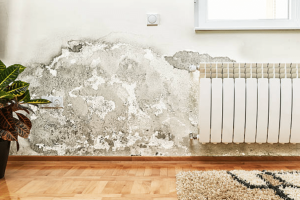
    Preventing Mould in Council Houses

    Mould growth in council houses can have serious health implications if not promptly addressed.


    However, there are ways to prevent it from occurring in the first place. By following these simple steps, you can help keep your living environment free of mould:


    Proper ventilation: Ensure that your home is well-ventilated to prevent dampness from building up. Open windows and doors regularly to allow air to circulate.


    Humidity control: Keep humidity levels in check by using a dehumidifier or air conditioner. This is especially important in areas that tend to be more humid, such as bathrooms and kitchens.


    Regular cleaning practices: It’s essential to keep your home clean and dry to prevent mould growth. Wipe down surfaces regularly, especially in areas like bathrooms and kitchens where moisture is more prevalent. Ensure that any spills or leaks are cleaned up promptly.


    Plants: Be mindful of the plants in your home. Certain types of plants, such as ferns, can contribute to humidity levels and promote mould growth. Consider removing plants or moving them to well-ventilated areas.


    Insulation: Proper insulation can help prevent dampness and reduce the risk of mould growth. Check that your home’s insulation is in good condition and consider adding insulation in areas that are lacking.


    Furniture placement: Be mindful of how you arrange your furniture. Avoid placing furniture against exterior walls, as this can trap moisture and lead to dampness and mould growth.


    While the council has a responsibility to address any existing mould problems, you can take steps to prevent the growth of mould in your council house.


    This includes ensuring proper ventilation, controlling humidity levels, and regularly cleaning and maintaining your home.


    By following these preventative measures, you can help reduce the risk of mould growth in your council home and ensure a healthy living environment for you and your family.


    Council’s Obligation to Educate Residents about Mould Prevention


    As a resident of council housing, it’s important to know that the council has an obligation to educate and inform you about how to prevent mould growth in your home.


    This includes providing information on proper ventilation, humidity control, and regular cleaning practices that can help keep your living space mould-free.


    Additionally, the council should be providing resources and support to help residents maintain a healthy living environment. This may include distributing educational materials, hosting workshops or training sessions, or offering access to professional mould removal services.


    By taking a proactive approach to educating residents about mould prevention, the council can help ensure that everyone in their care is living in a safe and healthy environment.


    As a resident, it’s important to stay informed and up-to-date on the latest mould prevention techniques, so you can help protect your health and well-being.


    Council’s Responsibility Addressing Mould in Social Housing


    The council also has the responsibility to educate residents about mould prevention. This includes providing information, resources, and support to help tenants maintain a mould-free living environment.


    By empowering residents with knowledge and skills to prevent mould growth, the council can improve the overall living conditions in council houses and promote the health and well-being of its tenants.


    Under UK social housing regulations, for you as a tenant in a council house, you have the right to live in a safe and healthy environment, free from mould.


    The council has a responsibility to ensure that any mould issues are addressed promptly and effectively. By working together, we can create a better living environment for everyone.


    Conclusion


    Council houses are supposed to provide safe and comfortable living conditions for residents.


    However, mould growth in council houses can lead to various health hazards, causing respiratory problems, allergies, and other illnesses.


    As a tenant, you have the right to live in a mould-free environment, and the council has a responsibility to address any mould issues promptly and effectively.


    In this article, we have explored the impact of mould in council houses, the council’s responsibility for mould prevention and remediation, and the importance of reporting mould issues to the council.


    We have also highlighted the council’s expected response time and timelines for mould remediation and the advantages of hiring professional mould removal services.


    FAQ


    Q: What is the responsibility of the council in addressing mould in council houses?


    A: The council is responsible for preventing and removing mould in council houses to ensure the health and well-being of residents.


    Q: What are the health hazards of mould in council houses?


    A: Mould in council houses can lead to respiratory issues, allergies, and other health problems, making it crucial to address the issue promptly.


    Q: How does mould growth occur in council houses?


    A: Mould growth is often a result of dampness and poor ventilation in council houses, creating an environment conducive to mould development.


    Q: What measures should the council take to prevent and remediate mould in council houses?


    A: The council should prioritize regular maintenance, inspections, and effective mould prevention techniques to prevent and remediate mould in council houses.


    Q: How can residents report mould issues to the council?


    A: Residents can report mould issues to the council by contacting the appropriate department and providing relevant information, such as the location and extent of the mould problem.


    Q: What is the expected response time for the council to address mould issues in council houses?


    A: The council aims to respond promptly to reports of mould issues and follows specific timelines for mould remediation, including inspections, remediation techniques, and ongoing maintenance.


    Q: Why is it important to hire professional mould cleaning services?


    A: Professional mould removal services have the expertise and equipment to safely and effectively handle mould remediation, minimizing health risks associated with attempting to clean mould yourself.


    Q: How can residents prevent mould growth in their council houses?


    A: Residents can prevent mould growth by ensuring proper ventilation, controlling humidity levels, practicing regular cleaning, and taking other preventative measures to minimize the risk of mould.


    Q: What is the council’s obligation to educate residents about mould prevention?


    A: The council is responsible for providing information, resources, and support to educate residents about mould prevention and empower them to maintain a mould-free living environment.


    If you are living in social housing and are experiencing mould problems, please inform your council immediately.


    In need of mould removal in London, call the Mould Helpline on 0203 130 4068 today.

  • Join Our Team: Mould Remediation Specialist at Mould Removal London

    Join Our Team: Mould Remediation Specialist at Mould Removal London

    Are you passionate about creating safer homes and looking for a flexible, self-employed role in London? If so, we have the perfect opportunity for you!

    Who We Are: Mould Removal London is a leading company specializing in mould remediation. We are dedicated to removing hazardous mould and restoring homes to their former glory. Our team is growing, and we are on the lookout for dedicated individuals to join us in making a difference in the London community.

    What You’ll Do: As a Mould Remediation Specialist, you will:

    • Perform thorough mould removal and remediation in homes.
    • Operate state-of-the-art equipment such as dehumidifiers and air scrubbers.
    • Apply antimicrobial chemicals and cleaning agents with precision.
    • Adhere to detailed checklists and scopes of work for each project.
    • Document your progress, ensuring completion photos are taken.
    • Uphold the highest health and safety standards, always using the necessary PPE.
    • Keep both managers and clients updated on the progress of projects.

    Why Choose Mould Removal London?

    • Competitive Compensation: Earn between £13-£15 per hour, based on your experience.
    • Fuel Expenses Covered: We take care of your travel expenses around London.
    • Comprehensive Training: Learn all about our cleaning methods, chemicals, and equipment.
    • Flexibility: Set your own schedule that fits around your other commitments.
    • Growth Opportunities: Potential to rise to team leader or supervisor roles.
    • Make a Difference: Help homeowners achieve safe and healthy living conditions.

    What We’re Looking For:

    • A valid UK driver’s license and your own transportation.
    • Registration for self-employment with a UTR number.
    • Physical fitness to handle tools and equipment, and to lift, bend, and manoeuvre.
    • An independent worker who can complete tasks punctually.
    • Willingness to undergo a DBS check.
    • Experience in cleaning or construction trades is a bonus but not essential.

    At Mould Removal London, we are more than just a company; we are a family. Our tight-knit team takes immense pride in the work we do, ensuring every project is completed to the highest standard. With flexible schedules, comprehensive training, and opportunities for advancement, there’s no better place to grow your career.

    If you’re ready to join our mission and make a tangible difference in the lives of London homeowners, we’d love to hear from you. Apply now by emailing us at enquiries@mouldremovallondon.co.uk and embark on a rewarding journey with Mould Removal London!

  • Mould Prevention Tips for Social Housing Residents

    Mould Prevention Tips for Social Housing Residents

    If you live in social housing, you may be at risk of mould growth. Mould not only damages the structure of your home but it can also harm your health.


    It can cause respiratory problems, allergies, and other health issues, particularly in vulnerable populations such as children and the elderly. Therefore, it is important to take proactive measures to prevent the growth of mould in your home.


    In this article, we will discuss the key steps you can take to prevent mould growth and maintain a healthy living environment. By following these tips, you can protect yourself and your loved ones from the harmful effects of mould.


    Key Takeaways


    • Mould growth can be harmful to your health, particularly for vulnerable populations such as children and the elderly.
    • Preventing mould growth requires proactive measures to control moisture, improve ventilation, and maintain your home’s thermal efficiency.
    • Regular maintenance and repairs can help prevent mould growth, as can seeking professional assistance when needed.


    Our mould removal services are affordable and effective. We will work with you to find a solution that fits your budget. Call us today on 0203 130 4068 for a quote.


    London Assembly Mould Statistics 


    In a report by the London Assembly about mould and damp, they express concern about the high number of social housing homes in England with damp and mould problems.


    According to the Regulator, 6% of these homes have serious levels of damp and mould, which could fail the Decent Homes Standard.


    This equates to around 240,000 homes, which is a significant number of people living in unacceptable conditions.


    The Assembly agrees with the Housing Ombudsman that the prevalent belief among landlords that “lifestyle” is a prime cause of damp and mould is wrong.


    Damp and mould can be caused by a variety of factors, including poor construction, inadequate ventilation, and leaks.


    Landlords have a responsibility to ensure that their properties are free from damp and mould, and they should not blame tenants for these problems.


    The Assembly calls on the government to take action to address the problem of damp and mould in social housing.


    This could include providing more funding for repairs and improvements, and strengthening the regulations for landlords.


    Understanding the causes of mould

    Understanding the causes of mould

    Mould can be a serious problem for social housing residents and is often caused by poor ventilation, condensation, and moisture issues. Understanding the common causes of mould growth can help you take effective preventive action.


    Poor Ventilation


    Poor ventilation is one of the primary causes of mould growth. When there is inadequate airflow in your home, moisture can build up in the air, especially in areas like the bathroom, kitchen, and laundry room. This moisture can then settle on surfaces and create a breeding ground for mould.


    One way to prevent mould growth due to poor ventilation is to open windows and doors regularly to allow fresh air to circulate. You can also consider using extractor fans in bathrooms and kitchens to improve airflow and reduce moisture levels.


    Condensation


    Condensation occurs when moisture in the air is converted into water droplets on cold surfaces such as windows, walls, and ceilings. If left unchecked, these droplets can create the perfect environment for mould growth.


    To prevent condensation, you can try to reduce the amount of moisture in the air by using a dehumidifier or moisture-absorbing products. Additionally, insulating your home can help maintain a consistent temperature, reducing the likelihood of condensation forming on surfaces.


    Moisture Issues


    Moisture issues such as leaks, damp walls, and plumbing problems can also contribute to the growth of mould in your home. These issues provide a source of constant moisture and can lead to significant mould growth if left unaddressed.


    To prevent mould growth due to moisture issues, it’s essential to identify and fix these problems as soon as possible. Regular maintenance and repairs can help ensure that issues are addressed promptly, reducing the likelihood of mould formation.


    Proper ventilation and air circulation


    The most effective way to prevent mould growth is to maintain proper ventilation and air circulation in your home. Poor air circulation and high humidity levels are the primary factors that contribute to mould formation.


    Ventilation helps to reduce moisture levels, making it difficult for mould to grow and thrive. Here are some tips to help improve air circulation:


    1. Open windows regularly, especially when cooking or showering.


    2. Use extractor fans in bathrooms and kitchens to remove moisture. Make sure they are vented outdoors and not just into your attic or crawl space.


    3. Consider investing in a whole-house ventilation system, which can help improve air quality and reduce humidity levels without compromising energy efficiency.


    Remember, proper ventilation is crucial for preventing mould growth. By improving air circulation, you can effectively reduce moisture levels and discourage mould formation in your home.


    Moisture control and prevention


    To effectively prevent mould growth in your social housing unit, it is crucial to control the sources of moisture.


    By identifying and fixing potential issues, you can ensure a dry and healthy indoor environment. Here are some effective mould prevention strategies to consider:


    Identify and fix leaks: Leaks from roofs, pipes, or windows can cause moisture to accumulate inside your unit, leading to mould formation. Regularly inspect your unit for signs of leaks and take prompt action to fix them.


    Address damp walls: Dampness in walls can create ideal conditions for mould growth. If you notice any dampness in your walls, bring it to the attention of your housing authority or professional for remediation.


    Fix plumbing issues: Plumbing issues, such as a leaking toilet or shower, can create moist conditions that facilitate mould growth. Ensure that your plumbing is in good working order and take action to fix any issues immediately.


    Use dehumidifiers: Dehumidifiers are an effective way to reduce moisture levels in your unit. Consider investing in a dehumidifier to keep the air in your unit dry and discourage mould formation.


    Use moisture-absorbing products: Products such as moisture-absorbing crystals or bags can help reduce humidity levels in your home. Place them in areas where moisture may accumulate, such as wardrobes or cupboards.


    By following these effective moisture control techniques, you can prevent the growth of mould in your social housing unit and maintain a healthy living environment.


    Insulation and Thermal Efficiency


    If you want to prevent mould growth in your social housing unit, it’s important to focus on insulation and thermal efficiency.


    Proper insulation helps improve the thermal efficiency of your home, reducing the likelihood of condensation and dampness, which are primary causes of mould formation.


    One way to improve insulation is by adding insulation to your walls and loft. This can help keep your home warmer in the winter and cooler in the summer, which can reduce the need for heating and air conditioning.


    Insulation also helps reduce noise pollution and improve indoor air quality. You can use materials like mineral wool, glass wool, or blown-in insulation to improve your home’s insulation.


    In addition to adding insulation, you can also take steps to improve the thermal efficiency of your windows and doors.


    This can be done by adding draught-proofing strips, double-glazed windows, or secondary glazing. These measures can help retain heat and reduce the amount of condensation on surfaces, preventing mould growth.


    Types of Insulation


    Type of Insulation Benefits
    Mineral Wool Good thermal insulation, fire-resistant, and eco-friendly.
    Glass Wool Good sound insulation, non-combustible, and lightweight.
    Blown-in Insulation Good coverage of irregular spaces, reduces air leakage, and easy to install.


    If you’re considering improving your home’s insulation, it’s important to consult with a professional to determine the best insulation type and installation method for your specific needs and budget.


    Regular maintenance and repairs


    Regular maintenance and repairs are crucial in preventing mould growth in social housing. As a resident, it’s your responsibility to promptly address any issues that could lead to mould formation.


    Here are some tips on identifying and addressing potential problems:


    • Inspect your home regularly for signs of leaks, dampness, or damage to walls, ceilings, and floors.
    • Report any issues to your housing provider or landlord immediately. Don’t wait for the problem to worsen.
    • Don’t attempt to fix the issue yourself, especially if it involves plumbing or electrical systems. Seek help from a professional.
    • If you’re unsure about the cause of the issue, ask a professional to assess the situation.


    Remember, prevention is always better than cure. By staying vigilant and addressing potential problems early, you can keep your home mould-free and maintain a healthy living environment.


    Mould Prevention Tips for Social Housing Residents

    Mould Prevention Tips for Social Housing Residents

    As a resident of social housing, it is crucial to take proactive measures to prevent the growth of mould in your home.


    Not only can mould damage your property, but it can also have negative impacts on your health. Here are some mould prevention tips to help keep your home healthy and mould-free:


    Summary of causes


    Common causes of mould growth in social housing include poor ventilation, condensation, and moisture issues. These factors contribute to the development of mould, and it is vital to take preventive action to control the environment and minimise the risk of mould formation.


    Education and Awareness


    One of the most critical steps in preventing mould growth is by educating yourself on its causes and the importance of early intervention. Mould can spread quickly if left untreated, leading to costly repairs and potential health risks.


    Learn to identify the signs of mould growth, such as a musty odour or discolouration on walls or ceilings. Report any suspected mould issues to your landlord or property manager immediately.


    It is also essential to understand the health risks associated with mould exposure, such as respiratory problems and allergies. By increasing awareness on the subject, you can help reduce the likelihood of mould growth in your home and promote a healthy living environment.


    Maintenance Checks


    Mould thrives in warm, moist environments, making it essential to address any sources of moisture in your home. Regular maintenance checks can help control moisture levels and prevent mould growth.


    Check for any leaks or drips, particularly in the bathroom and kitchen, and have them fixed promptly. Dry any wet surfaces or materials immediately to prevent moisture buildup.


    Inspect your home regularly for signs of dampness, such as peeling wallpaper, bubbling paint, or damp patches on walls or ceilings.


    If you notice any of these signs, report them to your landlord or property manager as soon as possible.


    Good Ventilation and Air Circulation


    Poor ventilation and circulation can contribute to the growth of mould in your home. Ensure your home is adequately ventilated by opening windows regularly, especially during or after showering or cooking.


    If your home does not have proper ventilation, consider installing extractor fans in the bathroom and kitchen.


    These fans help remove excess moisture and improve air circulation, reducing the risk of mould growth.


    Prevention & Control of Moisture


    Effective mould prevention requires controlling and preventing moisture buildup. Keep your home dry by using moisture-absorbing products and dehumidifiers, especially in areas prone to dampness.


    Inspect your home’s external walls and roof for signs of damage, such as cracks or broken tiles, which can lead to water leaks.


    Ensure gutters and downpipes are clean and free of any debris, allowing water to flow away from the building.


    Efficient Thermal and Insulation


    Proper insulation can help increase your home’s thermal efficiency, reduce condensation, and prevent mould growth.


    Insulate your home’s walls, roof, and floors to help maintain a consistent temperature and reduce moisture buildup.


    If you are unsure about the best insulation options, seek assistance from a professional. They can recommend the most suitable insulation materials and provide expert installation services.


    Seeking professional assistance


    If you suspect that your social housing unit has mould, do not attempt to clean it yourself as this could put your health at risk.


    Instead, contact AirFresh Mould Removal London, professional mould experts that can handle mould removal and prevention. They have the expertise and equipment to safely remove mould and prevent it from returning.


    By seeking professional mould removal services, you can ensure that your living environment remains healthy and mould-free.


    AirFresh Mould Removal London uses safe and effective mould prevention products to keep your home free of mould and other harmful contaminants.


    Conclusion


    To live in a healthy and mould-free environment, it is essential for social housing residents in the UK to take proactive measures to prevent mould growth.


    Implement the tips discussed in this article and seek professional assistance when needed. Together, we can promote a healthy living environment for all.


    FAQ


    Q: Why is mould prevention important for social housing residents?


    A: Mould can have a negative impact on health, causing respiratory problems, allergies, and worsened asthma symptoms. It is crucial for social housing residents to take proactive measures to prevent mould growth and maintain a healthy living environment.


    Q: What are the common causes of mould growth in social housing?


    A: Poor ventilation, condensation, and moisture issues are common causes of mould growth in social housing. These factors create an ideal environment for mould to develop and spread.


    Q: How can proper ventilation and air circulation help prevent mould?


    A: Proper ventilation helps to reduce moisture levels in the air, making it less favourable for mould growth. Residents should open windows regularly, use extractor fans in bathrooms and kitchens, and ensure good air circulation throughout their homes.


    Q: How can I control and prevent moisture in my social housing unit?


    A: Identifying and fixing sources of moisture is essential for effective mould prevention. Residents should promptly address leaks, damp walls, and plumbing issues. Additionally, using dehumidifiers and moisture-absorbing products can help keep the indoor environment dry.


    Q: How does insulation contribute to mould prevention?


    A: Proper insulation improves thermal efficiency, reduces condensation, and minimises the likelihood of mould formation. It helps to maintain a consistent temperature and reduces the potential for moisture buildup. Seeking professional assistance for insulation installation is recommended.


    Q: What role does regular maintenance and repairs play in mould prevention?


    A: Regular maintenance and prompt repairs are crucial in preventing mould growth. Residents should address any signs of leaks, dampness, or damage in their social housing units to prevent the development of mould.


    Q: Why is education and awareness about mould prevention important?


    A: Education and awareness about mould prevention help residents understand the health risks associated with mould exposure and the importance of early intervention. It encourages residents to report mould issues to the appropriate authorities or professionals for remediation.


    Q: Should I attempt to clean mould myself?


    A: No, cleaning mould yourself can pose health risks. It is recommended to contact professionals, such as AirFresh Mould Removal London, for safe and effective mould removal and prevention services.


    Q: What is the key takeaway for mould prevention in social housing?


    A: Mould prevention is crucial for social housing residents in the UK to maintain a healthy living environment. Implement the suggested tips for mould prevention and seek professional assistance when needed.


    Let’s create a healthy and mould-free living space together. Call us 0203 130 4068 now to talk to a mould specialist.

  • Latest Mould Policy – Legislation Around Social Housing and Mould

    Latest Mould Policy – Legislation Around Social Housing and Mould

    If you’re a social housing provider in the UK, it’s essential to keep up-to-date with the latest mould policies and legislation.


    Failure to comply with regulations could result in legal penalties, reputational damage, and harm to your tenants’ health.


    Mould is a common issue in social housing properties, and it’s essential to understand its impact on both the building and tenants’ wellbeing.


    This article will provide an overview of the current mould legislation in the UK, the key requirements for mould control in social housing, and the consequences of non-compliance.


    We’ll also offer guidance on ensuring compliance, the benefits of professional mould removal services, ongoing monitoring and prevention, and the importance of collaboration between social housing providers and tenants.


    Key Takeaways:


    • It’s crucial to stay informed about the latest mould legislation in social housing in the UK to ensure compliance and protect tenants’ health.
    • Mould poses health risks to tenants and can cause damage to properties, making effective control measures essential.
    • Social housing providers have specific responsibilities when it comes to mould prevention, inspection, and remediation.

    Do you need a mould removal near you? Call us today on 0203 130 4068 for fast mould cleaning service


    Understanding the impact of mould on social housing


    Mould growth is a common problem in social housing and can have significant negative impacts on both the health of tenants and the condition of the property.


    If left untreated, mould can cause respiratory problems, allergies, and other health issues, particularly in vulnerable groups such as children and the elderly.


    In addition to health risks, mould growth can also cause damage to the property, including structural damage and the need for costly repairs and renovations. This can lead to a decrease in property value and may result in tenants being relocated.


    Why is mould growth so prevalent in social housing?


    There are several reasons why mould growth is prevalent in social housing. Firstly, many social housing properties are older and may not have adequate ventilation or insulation, creating an environment that is conducive to mould growth.


    Additionally, some tenants may not have the means to adequately heat their homes or may not be aware of proper ventilation techniques, further exacerbating the problem.


    Furthermore, dampness caused by leaks or rising damp can also contribute to mould growth. Social housing providers must ensure that properties are adequately maintained and that any issues with moisture are addressed promptly to prevent mould growth.


    Government Findings – High Prevalence of Damp and Mould


    In a government report on prevalence of moulds in social housing, they published the following:


    Eleven landlords reported over 50 category 1 Housing Health and Safety Rating System (HHSRS) damp and mould hazards in homes they manage. These hazards are considered to pose the most serious risk to health and safety.


    We wrote to these landlords requesting further details on their plans to address these cases. They have provided us with this information, and we will be following up with them to ensure that they are carrying out their plans.


    Officials also reviewed the information provided by landlords who reported over 100 category 2 HHSRS damp and mould hazards. These hazards are considered to pose a significant risk to health and safety.


    They will continue to review the progress of these landlords in managing these cases as part of our ongoing regulation of them.


    Government is committed to ensuring that all social housing is safe and healthy for tenants to live in. They will take action against landlords who fail to address damp and mould problems in their properties.

    Awaab’s Law: A New Chapter in Mould Legislation


    In light of recent tragic events, the UK government has introduced a significant amendment to the Social Housing (Regulation) Bill, known as ‘Awaab’s Law‘.


    This legislation is named in memory of two-year-old Awaab Ishak, who tragically lost his life due to the damp and mould conditions in his home managed by Rochdale Boroughwide Housing.


    Key Points of Awaab’s Law:


    • Strict Timeframes for Remediation: Social housing landlords are now mandated to investigate and address damp and mould issues within their properties under strict new timeframes. The exact timeframes will be determined following a consultation set to launch later this year.
    • Tenant Empowerment: These new regulations will be incorporated into the tenancy agreement, empowering tenants to legally hold landlords accountable if they fail to provide a safe and habitable living environment.
    • Enhanced Accountability: The government has taken a firm stance against landlords who neglect their responsibilities, as evidenced by the blocking of funding to Rochdale Boroughwide Housing until they can demonstrate responsible landlordship.
    • Strengthened Ombudsman Powers: The Housing Ombudsman will have increased authority to ensure landlords learn from past mistakes. This includes instructing landlords to measure their service against guidelines on issues like damp and mould, driving improvements based on tenant complaints.


    Secretary of State for Levelling Up, Housing and Communities, Michael Gove, emphasised the importance of this law, stating, “The tragic death of Awaab Ishak should never have happened… Today we have announced tough new laws to force social landlords to fix their homes within strict new time limits.” He further added that landlords failing to address damp and mould issues promptly would face the full force of the law.


    Implications for Social Housing Providers:


    For social housing providers, this underscores the importance of staying updated with mould legislation in the UK.


    Awaab’s Law is a testament to the government’s commitment to ensuring that all social housing is safe, decent, and warm for its tenants.


    With the introduction of this law, there is an even greater emphasis on proactive measures, regular inspections, and tenant communication to ensure compliance and safeguard tenants’ health.


    Overview of Current Mould Policy in the UK

    Overview of Current Mould Policy in the UK

    If you are a social housing provider in the UK, it is crucial to be aware of the current mould legislation.


    The government has implemented regulations and guidelines to ensure the health and safety of tenants, as well as to protect the integrity of the properties.


    One of the key pieces of legislation to be aware of is the Housing Act 2004. This act sets out the minimum requirements for housing conditions, including measures to prevent and control mould. It is important to note that this act applies to both public and private housing providers.


    Another important piece of legislation is the Homes (Fitness for Human Habitation) Act 2018. This act requires that all social housing providers ensure that their properties are fit for human habitation.


    This includes measures to prevent and control mould, as well as other hazards such as dampness and excess cold.


    In addition to these acts, there may also be specific regulations or guidelines in your local area that relate to mould prevention and control.


    It is important to stay up-to-date with any changes to these policies, as failure to comply with them could result in legal penalties.


    Key requirements for mould control in social housing


    As a social housing provider, it is your responsibility to ensure that your properties are free from mould and that you have measures in place to prevent its growth.


    To comply with mould legislation, it is essential that you adhere to the following key requirements:


    Requirement Description
    Regular Inspections Inspect your properties regularly for any signs of mould and identify potential causes, such as leaks or poor ventilation. Ensure that tenants are aware of the inspections and that they have the opportunity to report any issues they have noticed.
    Effective Ventilation Ensure that all properties have adequate ventilation to prevent moisture buildup. This could include installing extractor fans in kitchens and bathrooms or opening windows for a short period each day.
    Moisture Control Identify and address any sources of moisture in properties, including leaks, condensation, and flooding. Ensure that any repairs or maintenance work is carried out promptly to prevent moisture buildup.
    Prompt Remediation If mould is identified in a property, it is essential that it is removed promptly and effectively. This could involve hiring a professional mould cleaning service to ensure that the remediation is carried out safely and thoroughly.


    By adhering to these key requirements, you can ensure that your properties comply with mould legislation and provide a safe and healthy living environment for your tenants. Failure to meet these requirements could lead to legal penalties, reputational damage, and harm to your tenants’ health.


    Consequences of non-compliance with mould legislation


    As a social housing provider, it is your legal responsibility to comply with mould legislation to ensure the safety and well-being of your tenants. Failure to do so can result in serious consequences.


    Non-compliance with mould legislation can lead to legal penalties, reputational damage, and possible harm to tenants’ health.


    Tenants may choose to take legal action against you if their health is affected by mould in their home.


    Additionally, non-compliance can result in negative media attention, which can harm your reputation as a housing provider. This could lead to difficulties in attracting and retaining tenants in the future.


    By complying with mould legislation, you not only protect your tenants’ health but also safeguard your legal and professional standing as a social housing provider.


    Ensuring Compliance with Mould Legislation in Social Housing


    To ensure compliance with mould legislation in social housing, it is important to take proactive measures to prevent and remediate any mould issues. Here are some recommendations:


    Regular inspections: Conduct regular inspections of all properties, including common areas, to identify any signs of moisture or mould growth. Inspections should be documented and any issues addressed promptly.


    Effective communication with tenants: It is important to keep tenants informed about mould prevention and remediation efforts. This can be done through newsletters, meetings, or other forms of communication.


    Maintaining records: Keeping records of all mould prevention and remediation efforts can help demonstrate compliance with legislation. These records should include inspection reports, remediation plans, and any correspondence with tenants.


    Training and education: Ensure staff members are trained on mould prevention and remediation procedures. Tenants can also be provided with education on how to prevent mould growth in their homes, such as proper ventilation and moisture control.


    By following these recommendations, social housing providers can ensure compliance with mould legislation and maintain a healthy living environment for tenants.


    Benefits of Professional Mould Removal Services

    Benefits of Professional Mould Removal Services

    If you suspect that your social housing property has a mould problem, it’s essential to take action immediately.


    While some small-scale mould issues can be resolved with straightforward cleaning, more severe infestations require the expertise of professional mould removal services.


    When you hire professional mould removal services like AirFresh Mould Removal London, you can benefit from:


    Expertise and Experience Professional mould removal companies have the experience and expertise required to identify and remove mould safely and efficiently.
    Advanced Equipment and Techniques Mould removal specialists use advanced equipment and techniques to remove mould and prevent it from returning.
    Protection of Your Health and Safety Mould can be hazardous to your health, especially if you attempt to remove it yourself without proper protective gear. Professional mould removal services use safety equipment to ensure the safety of both themselves and the occupants of the property.
    Long-Term Solutions Professional mould removal services not only remove the existing mould, but they also provide long-term solutions to prevent future growth and infestations.


    Attempting to remove mould on your own can lead to further health hazards and damage to your property. That’s why it’s essential to seek the help of professional mould removal services.


    Remember, the health and safety of your tenants should be your top priority.


    Ongoing Monitoring and Prevention of Mould in Social Housing


    Ensuring that your social housing properties remain free of mould is an ongoing process that requires constant attention and effort.


    To prevent future outbreaks, it is essential to undertake regular inspections, identify potential sources of moisture and humidity, and take remedial action as soon as you notice any signs of mould.


    One of the most effective ways to prevent the growth of mould in your properties is to maintain a healthy indoor environment.


    This means keeping the temperature and humidity levels within acceptable ranges and ensuring adequate ventilation in all rooms.


    You should also educate your tenants on how to prevent the growth of mould, such as informing them to ventilate their home by opening windows or using extractor fans when cooking or showering.


    You can also provide them with guidelines on effective cleaning practices, including wiping down surfaces regularly, removing any visible mould growth immediately and not leaving damp clothes or towels on radiators or floors.


    Another critical aspect of ongoing monitoring and prevention of mould in social housing is to keep accurate records of all inspections and any remediation efforts that have been carried out.


    This will allow you to identify any patterns or recurring issues and provide evidence of compliance should you face any legal challenges in the future.


    It is also important to stay up-to-date with the latest developments in mould legislation to ensure you remain fully compliant and avoid any unnecessary fines or legal action.


    Keeping informed of best practice guidance will ensure you are providing your tenants with a safe, healthy environment to live in.


    Collaboration between social housing providers and tenants


    Effective mould prevention and remediation requires collaboration between social housing providers and tenants.


    Both parties have a shared responsibility for maintaining a safe and healthy living environment.


    Open communication is key to addressing any mould concerns. Social housing providers should encourage tenants to report any issues promptly, and provide channels for reporting such as phone numbers or email addresses.


    When mould is identified, social housing providers should involve tenants in the remediation process.


    This could include providing information on the steps being taken to address the issue and any precautions tenants should take during the remediation process.


    It is also important to provide tenants with information on how to prevent mould growth in their homes. This could include advice on proper ventilation, moisture control, and regular cleaning practices.


    Collaboration between social housing providers and tenants is crucial to maintaining a healthy living environment and preventing the spread of mould.


    By working together, both parties can ensure that any mould issues are addressed promptly and effectively.


    Conclusion


    As a social housing provider, it’s important to stay up-to-date with mould legislation in the UK to ensure compliance and protect the health of your tenants.


    Understanding the impact of mould on social housing and following key requirements for mould control can help prevent health risks and damage to properties.


    Non-compliance with mould legislation can result in legal penalties, reputational damage, and harm to tenants’ health, so it’s essential to take proactive measures.


    To ensure compliance with mould legislation in social housing, regular inspections, effective communication with tenants, and maintaining records of any mould prevention and remediation efforts are recommended.


    Hiring professional mould removal services, such as AirFresh Mould Removal London, can also benefit social housing providers due to the expertise and experience these professionals bring.


    Ongoing monitoring and prevention of mould in social housing is crucial to maintain a healthy living environment for tenants.


    Collaboration between social housing providers and tenants can also play an important role in addressing mould issues, with open communication and shared responsibility for prevention and remediation.


    Overall, staying informed about mould legislation in social housing in the UK and taking proactive measures to ensure compliance and protect tenants’ health should be a top priority for social housing providers.


    FAQ


    Q: What is the significance of staying up-to-date with mould legislation in social housing?


    A: Staying up-to-date with mould legislation in social housing is crucial to ensure compliance and protect tenants’ health.


    Q: What are the health risks associated with mould in social housing?


    A: Mould in social housing can pose serious health risks to tenants and cause damage to properties.


    Q: What is the current mould legislation in the UK?


    A: The current mould legislation in the UK includes specific regulations and guidelines for social housing providers to follow.


    Q: What are the key requirements for effective mould control in social housing?


    A: Key requirements for mould control in social housing include regular inspections, proper ventilation, moisture control, and prompt remediation.


    Q: What are the potential consequences of non-compliance with mould legislation?


    A: Non-compliance with mould legislation may result in legal penalties, reputational damage, and harm to tenants’ health.


    Q: How can social housing providers ensure compliance with mould legislation?


    A: Social housing providers can ensure compliance by conducting regular inspections, communicating with tenants, and maintaining records of mould prevention and remediation efforts.


    Q: What are the benefits of hiring professional mould removal services?


    A: Hiring professional mould removal services offers expertise, experience, and minimises health risks associated with DIY cleaning.


    Q: How can ongoing monitoring and prevention of mould be maintained in social housing?


    A: Ongoing monitoring and prevention of mould can be achieved through implementing effective strategies and following maintenance guidelines.


    Q: Why is collaboration between social housing providers and tenants important in addressing mould issues?


    A: Collaboration promotes open communication, prompt reporting of concerns, and a shared responsibility for mould prevention and remediation.


    Q: What is the importance of staying informed about mould legislation in social housing in the UK?


    A: Staying informed about mould legislation in social housing is crucial to ensure compliance and protect tenants’ health.


    We offer a same-day mould removal service in London. Call us now on 0203 130 4068 to book your appointment.


  • How Councils Can Effectively Tackle Mould Issues

    How Councils Can Effectively Tackle Mould Issues

    As a council, it is your responsibility to provide safe and healthy living environments for your community.


    Mould growth in council buildings poses significant health risks and can impact the well-being of residents. It is crucial to take action to address mould issues in a timely and effective manner.


    In this article, we will discuss various strategies that councils can implement to effectively tackle mould issues.


    From regular inspections to moisture control and educating tenants, we’ll explore the steps how councils can take mould-free environments and ensure them for their communities.


    Key Takeaways


    • Councils have a responsibility to ensure safe and healthy living environments for their communities.
    • Mould growth in council buildings poses significant health risks and must be addressed in a timely and effective manner.
    • Strategies for effectively tackling mould issues include regular inspections, moisture control, educating tenants, and collaborating with professional mould removal experts.

    Mould removal in London housing? We can help! Call 0203 130 4068 today to learn more.

    Understanding the causes of mould growth


    Mould growth is a common issue in many council buildings, and it’s essential to understand the root causes to effectively prevent it.


    Poor ventilation is one of the leading causes of mould growth, as the lack of fresh air can lead to excess moisture buildup.


    Another factor is excessive humidity, which can be caused by inadequate insulation or ventilation in the building.


    Plumbing leaks, condensation, and inadequate maintenance can also contribute to mould growth.


    It’s important to note that older council buildings may be more prone to moisture and mould problems due to their aging infrastructure.


    Many of these buildings were constructed with materials and techniques that are no longer used in modern construction.


    To effectively prevent mould growth in council buildings, it’s important to address these underlying issues.


    For example, improving ventilation systems, repairing leaks, and maintaining adequate humidity levels can help control moisture and prevent mould growth.


    Conducting Regular Mould Inspections


    Conducting Regular Mould Inspections


    As a local council, it is your responsibility to ensure that your buildings are safe and healthy environments for residents and tenants.


    One key way to achieve this is by conducting regular mould inspections.


    By inspecting council buildings on a regular basis, you can detect any signs of mould growth early and take preventive measures before the problem escalates. This can save you time, money, and effort in the long run.


    Why Regular Inspections Are Important


    Regular inspections help you identify any areas in your buildings that are susceptible to mould growth.


    This can include areas that are damp, have poor ventilation, or are prone to water leaks. By identifying these areas, you can quickly address them before mould has the chance to grow.


    In addition to preventing mould growth, regular inspections also help you maintain a clean and healthy living environment for residents and tenants.


    By addressing issues such as poor ventilation, you can improve the quality of air in the building and reduce the risk of respiratory problems.


    How to Conduct Regular Inspections


    Inspecting council buildings for mould growth requires a systematic approach. This involves the following steps:


    1. Establish an inspection schedule: Decide how often you will inspect council buildings for mould growth. This will depend on the age and condition of the building, as well as its level of occupancy.


    2. Assign inspection responsibilities: Designate a person or team who will conduct the inspections. This may be an in-house team or a third-party service provider like AirFresh Mould Removal London.


    3. Conduct a thorough inspection: Inspect all areas of the building, paying close attention to areas that are prone to mould growth, such as bathrooms, kitchens, and basements. Use moisture detection equipment to identify areas with high humidity levels.


    4. Document and report findings: Record all findings from the inspection and report them to the appropriate authorities. This could include recommendations for remediation or repair work.


    By following these steps, you can establish a regular inspection protocol that helps you maintain a healthy living environment for your residents and tenants.


    Implementing effective moisture control measures


    To prevent mould growth, it is essential to control moisture in council buildings. This means ensuring proper ventilation, addressing leaks, and managing humidity levels.

    Here are some effective moisture control measures that local councils can implement:


    Strategy Description
    Improving ventilation Ensure proper air circulation in council buildings by opening windows, using exhaust fans in bathrooms and kitchens, and installing air conditioning systems. This will reduce humidity levels and prevent moisture buildup.
    Addressing leaks Check for any sources of water infiltration, such as roof leaks, plumbing issues, or foundation cracks. Repair these issues promptly to prevent moisture from seeping into the building.
    Managing humidity levels Use dehumidifiers in areas prone to high humidity, such as basements and bathrooms. Maintain humidity levels between 30% and 60% to prevent mould growth.


    By implementing these moisture control measures, local councils can prevent mould growth and ensure safe and healthy living environments for their communities.


    Educating Tenants and Residents


    As a local council responsible for providing safe and healthy living environments for your residents, it’s essential to educate them about mould prevention and management.


    By doing so, you can promote awareness and encourage proactive measures to maintain mould-free environments.


    Here are some practical tips you can share with your tenants and residents:


    • Keep windows and doors open to promote ventilation, particularly during and after activities that generate moisture, like cooking and showering.
    • Regularly clean and dry areas prone to moisture, like bathrooms and kitchens, to prevent mould growth.
    • Report any signs of mould growth immediately to your council or landlord.
    • Use a dehumidifier in areas with excessive moisture to lower humidity levels.


    By fostering an environment of open communication and promoting responsible habits, you can work together to prevent mould growth and ensure a healthy and safe living environment for your community.


    Developing a comprehensive mould remediation plan


    A comprehensive mould remediation plan should be developed by councils to ensure the effective removal and prevention of mould growth.


    The first step is to assess the extent of the mould growth and identify the cause of the problem. This will involve conducting a thorough mould inspection, which can be done by specialist companies like AirFresh Mould Removal London.


    Once the assessment has been completed, councils should establish containment measures to prevent the spread of mould spores to other areas of the building.


    This may involve sealing off affected areas or shutting down ventilation systems while the remediation process is ongoing.


    Proper removal techniques should be implemented, which may involve the use of specialised equipment and cleaning agents.


    It is crucial for councils to follow the appropriate health and safety guidelines and to ensure that all affected surfaces are properly disinfected.


    After the removal process, it is important to identify and address the underlying cause of the mould growth to prevent recurrence.


    This may involve implementing moisture control measures such as improving ventilation or repairing leaks.


    Ongoing monitoring and maintenance are essential to ensure that the environment remains mould-free.


    Regular inspections and communication with tenants and residents can help to identify and address any potential problems before they become serious.


    By developing a comprehensive mould remediation plan and working with professionals like AirFresh Mould Removal London, councils can ensure that their buildings remain safe and healthy for residents and visitors.


    Providing Support and Resources for Affected Residents


    As a local council, one of your top priorities is providing safe and healthy living environments for your communities. This includes taking proactive measures to address mould issues in council buildings.


    However, despite your best efforts, mould problems may still arise, affecting the lives and health of your tenants and residents.


    In such cases, it’s crucial to provide support and resources to those affected by mould. This demonstrates your commitment to their well-being and can help alleviate the stress and financial burden of dealing with mould remediation.


    Support Services Description
    Temporary Accommodation Offering alternative accommodation for tenants and residents affected by mould can provide them with a safe and healthy living environment while the mould issue is being remediated.
    Financial Assistance for Remediation Providing financial support for mould remediation can help alleviate the financial burden of affected tenants and residents.
    Access to Relevant Resources Connecting affected tenants and residents with relevant resources, such as healthcare professionals or mould remediation experts like AirFresh Mould Removal London, can help them navigate the remediation process and ensure their well-being.


    By offering support and resources, local councils can demonstrate their commitment to providing safe and healthy living environments for their communities.


    Collaborating with experts like AirFresh Mould Removal London can also provide long-term solutions to prevent future mould issues.


    Monitoring and Maintaining Mould-free Environments


    Preventing mould growth is essential, but it’s equally important to monitor and maintain a mould-free environment in council buildings.


    Ongoing inspections and regular maintenance can help ensure that the measures implemented are effective and that mould growth does not reoccur.


    Effective communication channels with tenants and residents are critical in reporting any signs of mould growth.


    It’s also essential to respond to their feedback promptly and keep them informed of the progress made towards a mould-free environment.


    Professional mould removal experts like AirFresh Mould Removal London can provide long-term solutions for maintaining a mould-free environment.


    They can help councils establish regular inspections and maintenance protocols, provide training for staff and tenants, and offer ongoing support services.


    Collaborating with Professionals for Mould Removal

    Collaborating with Professionals for Mould Removal

    Mould removal can be a complex and hazardous process, requiring specialised knowledge and equipment.


    As a council, it is crucial to work with professional mould removal experts like AirFresh Mould Removal London to ensure the safe and effective removal of mould from your buildings.


    Professional mould experts have the expertise and experience to identify the extent of the mould growth and develop a comprehensive remediation plan that addresses the root cause of the problem.


    They have access to specialised equipment and products that can effectively remove mould and prevent its recurrence.


    Most importantly, they follow strict safety protocols to ensure the health and well-being of tenants, residents, and workers.


    Attempting to remove mould on your own can lead to a host of potential hazards and complications, including the spread of mould spores and the risk of respiratory issues.


    DIY methods may also not effectively address the root cause of the mould growth, leading to its recurrence in the future.


    When working with professional mould specialists like AirFresh Mould Removal London, it is important to communicate clearly and collaboratively to ensure a smooth and effective process.


    They can provide guidance on preventative measures, ongoing maintenance, and regular inspections to proactively address mould issues and maintain a safe and healthy living environment.


    Case Studies of Successful Mould Management by Councils


    Real-life examples demonstrate the importance of proactive mould management in council buildings.


    Here are some successful initiatives implemented by councils:


    Council Initiative Outcome
    Manchester City Council Established a mould inspection programme Reduced the incidence of mould in council-owned properties by 70% within a year
    London Borough of Camden Implemented a moisture control plan Brought down the relative humidity levels in council buildings to below 60%, significantly reducing the risk of mould growth
    Bristol City Council Partnered with a professional mould removal company for remediation Successfully eliminated mould growth in council properties and improved the well-being of affected residents


    These case studies demonstrate that councils can effectively tackle mould issues by adopting strategies like regular inspections, moisture control plans, and professional remediation.


    Collaborating with experts like AirFresh Mould Removal London can also ensure comprehensive mould management that prioritises the community’s safety and well-being.


    Conclusion


    It is imperative for councils to take proactive measures in addressing mould issues in their buildings to ensure safe and healthy living environments for their communities.


    By understanding the causes of mould growth, conducting regular inspections, implementing effective moisture control measures, educating tenants and residents, developing comprehensive remediation plans, providing support and resources to affected residents, monitoring and maintaining mould-free environments, and collaborating with professional mould experts, councils can effectively tackle mould issues and prevent their recurrence.


    By following best practices and working with expert companies such as AirFresh Mould Removal London, councils can ensure that they provide their tenants and residents with a healthy and safe living environment.


    Remember, DIY mould removal can be dangerous, and it is crucial to prioritise professional assistance to avoid health risks and ensure the thorough eradication of mould growth.


    So, if you’re part of a local council and have noticed signs of mould growth, take immediate action and follow the strategies outlined in this article.


    By doing so, you can protect your community’s well-being and create a safer environment for all.


    FAQ


    Q: How can councils tackle mould issues effectively?


    A: Councils can effectively tackle mould issues by implementing a comprehensive mould remediation plan. This includes conducting regular mould inspections, implementing moisture control measures, educating tenants and residents, and collaborating with professional mould specialists.


    Q: What are the causes of mould growth in council buildings?


    A: The causes of mould growth in council buildings can be attributed to poor ventilation, excessive moisture, and building defects. Aging infrastructure and inadequate maintenance can also contribute to the prevalence of mould growth.


    Q: Why is conducting regular mould inspections important?


    A: Conducting regular mould inspections is important because it allows for early detection and prevention of mould growth. Councils can establish regular inspection protocols and collaborate with experts like AirFresh Mould Removal London for thorough assessments.


    Q: What measures can councils implement to control moisture and prevent mould growth?


    A: To control moisture and prevent mould growth, councils can improve ventilation, address leaks, and manage humidity levels. Implementing these measures effectively is crucial in maintaining mould-free environments in council buildings.


    Q: How can councils educate tenants and residents about mould prevention?


    A: Councils can educate tenants and residents about mould prevention by providing practical tips on proper ventilation, reducing moisture, and reporting any signs of mould growth. They play a vital role in disseminating this information and fostering awareness.


    Q: What steps are involved in developing a comprehensive mould remediation plan?


    A: Developing a comprehensive mould remediation plan involves assessing the extent of mould growth, establishing containment measures, and implementing proper removal techniques. Councils should involve professionals like AirFresh Mould Removal London for safe and thorough remediation.


    Q: What support and resources can councils offer to residents affected by mould issues?


    A: Councils can offer support services such as temporary accommodation, financial assistance for remediation, and access to relevant resources to residents affected by mould issues. Collaboration between councils and specialised companies like AirFresh Mould Removal London can provide the necessary support.


    Q: Why is monitoring and maintaining mould-free environments important in council buildings?


    A: Monitoring and maintaining mould-free environments in council buildings is important to ensure ongoing prevention. This includes conducting inspections, regular maintenance, and effective communication channels with tenants and residents. Expert companies like AirFresh Mould Removal London can provide long-term solutions.


    Q: Why is it important for councils to collaborate with professional mould removal experts?


    A: It is important for councils to collaborate with professional mould removal experts because they bring expertise and experience to ensure safe and effective mould removal. DIY mould removal can pose health risks, and professional assistance should be prioritised.


    Q: Can you provide case studies of successful mould management by councils?


    A: Yes, we can provide case studies of how councils have effectively tackled mould issues. These case studies highlight the strategies implemented, the challenges faced, and the positive outcomes achieved.


    Councils have a crucial role in effectively tackling mould issues in their buildings. By implementing proactive measures such as regular inspections, moisture control measures, and education programs, councils can ensure safe and healthy living environments for their communities.


    Collaboration with professional mould removal experts like AirFresh Mould Removal London is essential to achieve long-term solutions.


    Get rid of mould with our professional mould removal service. You can call 0203 130 4068 for free consultation.

  • Common Causes of Mould In Social Housing

    Common Causes of Mould In Social Housing

    If you live in social housing, you may have experienced the frustrating and potentially dangerous issue of mould growth.


    Mould can be more than just an eyesore; it can cause health problems such as breathing difficulties, allergic reactions, and even infections.


    Understanding the causes of mould growth in social housing is crucial for preventing it from happening in the first place.


    In this section, we will explore the common causes of mould in social housing and provide you with valuable insights to help you tackle this problem.


    Key Takeaways


    • Mould growth in social housing can cause health problems and property damage if left unchecked.
    • Understanding the causes of mould growth in social housing is crucial for preventing it from happening.


    Get rid of mould in your London home with our professional mould removal service. Call us on 0203 130 4068.


    Moisture Problems


    Excessive moisture in the air is a common cause of mould growth in social housing. This can be caused by several factors, including leaks, high humidity levels, or inadequate ventilation.


    When warm, moist air comes into contact with cold surfaces such as walls and windows, it can cause condensation. This creates a damp environment that is ideal for mould spores to grow and multiply.

    Leaking pipes, roofs, or windows can also contribute to moisture problems. Water can penetrate into walls, ceilings, and floors, creating damp areas that promote mould growth.


    Additionally, if the housing unit has high humidity levels, for example, due to lack of ventilation, it can create an ideal environment for mould to thrive.


    The easiest way to prevent moisture problems is to ensure proper ventilation. Installing extractor fans in areas prone to high humidity, such as bathrooms and kitchens, can help to reduce humidity levels.


    It’s also essential to maintain a consistent temperature throughout the property as cold surfaces are more susceptible to condensation.


    Insulating walls, windows and roofs can help to keep the property warm and reduce the likelihood of mould growth.


    If you notice mould in your home, it is crucial to address the issue promptly. If left untreated, mould can cause respiratory problems and allergies.


    Seek professional assistance from your local council or a mould removal service such as AirFresh Mould Removal London.


    These mould specialists have the necessary tools and expertise to eliminate mould effectively and efficiently.


    Damp and Mould in Social Housing UK Government Study


    In an survey conducted by the UK government, their inquiries with landlords provided a poor initial response on the damp problem. Though the findings show a mixed but improving picture.


    The initial survey found that fewer than 0.2% of social homes have the most serious damp and mold problems, 1-2% have serious damp and mold problems, and a further 3-4% have notable damp and mold. The follow-up survey confirmed these findings.


    The landlords who demonstrated a comprehensive understanding and response to damp and mold and property condition had the following features in common:


    • They had a clear understanding of the causes of damp and mold, and the risks it poses to health and property.
    • They had a robust system for identifying and responding to damp and mold problems.
    • They worked proactively to prevent damp and mold from occurring in the first place.
    • They communicated effectively with tenants about damp and mold, and their plans to address it.


    The findings of this report suggest that most landlords are taking the issue of damp and mold seriously and are taking steps to address it.


    However, there is still room for improvement, and some landlords could strengthen their approach further.


    Leaky roofs and plumbing issues

    Addressing mould issues in social housing

    Leaky roofs and plumbing fixtures are common contributors to mould growth in social housing. If left unaddressed, water leaks can penetrate walls, floors, and ceilings, creating damp areas that are conducive to mould growth.


    Roof leaks often go undetected until visible damage appears on the ceiling or walls. Water can seep through the roof’s surface, damaging the attic, insulation, and structural components. If not addressed, it can create a favourable environment for mould growth.


    Plumbing leaks can also lead to mould growth. Even small leaks can cause significant damage over time, contributing to dampness and high humidity levels. Common household plumbing fixtures such as sinks, toilets, and bathtubs can be sources of leaks.


    To prevent roof and plumbing leaks, regular maintenance and inspections are crucial. Promptly addressing leaks and repairing any damage can help prevent mould growth and ensure the health and safety of residents.


    Inadequate insulation and ventilation


    Insufficient insulation and ventilation can contribute to the development of mould in social housing.


    When walls are not properly insulated, moisture can condense on cold surfaces, providing the perfect environment for mould growth.


    Similarly, poor ventilation restricts air circulation, trapping moisture and increasing humidity levels.


    Without proper insulation and ventilation, mould can grow undetected for long periods, leading to costly repairs and detrimental health effects on residents.


    To prevent mould growth caused by inadequate insulation and ventilation, ensure that your social housing is well-insulated and has proper ventilation systems.


    Regularly check and maintain these systems to avoid costly and potentially harmful issues.


    Inadequate maintenance


    Proper maintenance is essential for preventing mould growth in social housing. Neglecting repairs, leaks, or ventilation problems can lead to moisture buildup, promoting mould growth over time.


    It is your responsibility as a tenant to inform your landlord or council of any issues that require attention.


    Make sure to report any leaks or water damage promptly to prevent further damage and potential mould growth.


    If you notice any signs of mould growth in your social housing, contact your local council or a mould removal service like AirFresh Mould Removal London for professional assistance.


    Attempting to remove mould yourself can be dangerous and ineffective, potentially exacerbating the problem.


    Regular inspections and maintenance checks can help prevent mould growth from beginning by identifying and addressing potential moisture problems or leaks.


    Landlords and councils should ensure regular maintenance and encourage tenants to report any issues immediately.


    High Occupancy Rates


    If you are living in a social housing property with high occupancy rates, you may be at risk of mould growth.


    This is because the increased number of residents results in more moisture being generated from everyday activities like cooking, bathing, and breathing.


    The excess moisture can create a humid environment that promotes mould growth. It is important to be vigilant and take steps to address any signs of mould growth as soon as possible.


    Contact your local council or a professional mould cleaning service like AirFresh Mould Removal London for assistance.


    Addressing mould issues in social housing

    Addressing mould issues in social housing

    If you’re facing mould issues in your social housing, it’s essential to seek professional assistance. You can contact your local council or a mould removal service like AirFresh Mould Removal London to get the help you need.


    These professionals have the expertise and equipment necessary to safely and effectively eliminate mould, ensuring the health and wellbeing of you and your fellow residents.


    Trying to remove mould on your own can be dangerous. Disturbing the mould can spread its spores throughout the air, leading to further contamination.


    Using harsh chemicals that you’re not familiar with can also be harmful. It’s best to leave it to the mould specialists.


    The council or mould removal service will assess the extent of the problem, identify the cause, and develop a plan to remove the mould and prevent it from returning.


    They may also advise on how to keep the property dry and properly ventilated to reduce the risk of future mould growth.


    Don’t delay seeking help as mould issues can worsen over time and cause serious health problems, particularly for vulnerable groups such as children, the elderly, and people with respiratory conditions.


    By taking action now, you can ensure a safe and healthy living environment for you and your fellow residents.


    Conclusion


    Addressing mould issues in social housing requires a comprehensive approach that takes into account the various factors that contribute to mould growth.


    Moisture problems, inadequate insulation and ventilation, leaky roofs and plumbing issues, dampness in walls, inadequate maintenance, and high occupancy rates can all lead to mould growth if not promptly addressed.


    To ensure the health and well-being of residents, it is essential to seek professional assistance when dealing with mould issues.


    Contacting your local council or a mould removal service like AirFresh Mould Removal London can provide the expertise and equipment necessary to safely and effectively eliminate mould in your social housing unit.


    Don’t delay in addressing mould issues in your social housing unit. Taking action promptly can prevent the harmful effects of mould on both the property and the health of residents.


    Seek professional assistance and implement prevention strategies to ensure a healthy living environment for you and your family.


    FAQ


    Q: What are the common causes of mould in social housing?


    A: The common causes of mould in social housing include moisture problems, inadequate insulation and ventilation, leaky roofs and plumbing issues, dampness in walls, inadequate maintenance, and high occupancy rates.


    Q: What are moisture problems?


    A: Moisture problems refer to excessive moisture in the air, which can lead to condensation and create an ideal environment for mould growth. These problems can be caused by leaks, high humidity levels, or inadequate ventilation.


    Q: How does inadequate insulation and ventilation contribute to mould growth?


    A: Insufficient insulation and ventilation can result in cold surfaces in social housing, which, when combined with high humidity, can lead to condensation and mould growth. Poor ventilation restricts air circulation, trapping moisture and promoting mould growth.


    Q: How do leaky roofs and plumbing issues contribute to mould problems?


    A: Leaky roofs and plumbing issues allow water to penetrate walls, floors, and ceilings, creating damp areas that are conducive to mould growth if not promptly addressed.


    Q: What role does dampness in walls play in mould growth?


    A: Dampness in walls, caused by poor construction or maintenance practices, can lead to water infiltration, resulting in moist walls that provide an ideal environment for mould to thrive.


    Q: How does inadequate maintenance contribute to mould issues?


    A: Inadequate maintenance practices, such as failing to promptly address leaks, repairs, or ventilation problems, can lead to moisture buildup and mould growth over time.


    Q: How do high occupancy rates exacerbate mould problems in social housing?


    A: High occupancy rates in social housing create increased human activities and moisture generated from cooking, bathing, and breathing. This contributes to higher humidity levels, creating an environment that promotes mould growth.


    Q: How should mould issues in social housing be addressed?


    A: When dealing with mould issues in social housing, it is recommended to seek professional assistance. Contact your local council or call a mould removal service like AirFresh Mould Removal London for expert help. These professionals have the expertise and equipment to safely and effectively eliminate mould, ensuring the health and well-being of residents.


    Q: What are the main factors contributing to mould growth in social housing?


    A: The main factors contributing to mould growth in social housing include moisture problems, inadequate insulation and ventilation, leaky roofs and plumbing issues, dampness in walls, inadequate maintenance, and high occupancy rates.


    Need a mould removal in London fast? We’re the mould experts! Call us on 0203 130 4068 for your free quote.

  • Where to Look for Mould When Viewing a Rental Property

    Where to Look for Mould When Viewing a Rental Property

    When searching for a rental property, it’s important to not only look for the features you desire but also inspect the property for any potential health hazards.


    One such hazard is mould, which can pose serious health risks if left untreated.


    To ensure a safe home living environment, it’s crucial  for you to identify any potential mould problems before signing a rental agreement.


    In this section, we will discuss the importance of inspecting rental properties for mould issues and provide tips on where to look for mould during a viewing.


    Key Takeaways:


    • Thoroughly inspect a rental property for mould before signing a rental agreement to protect your health.
    • Mould can grow in high-moisture areas, such as bathrooms and kitchens, and on walls and ceilings due to moisture issues.
    • Pay attention to damp or musty odours and check for water leaks or seepage to identify potential mould problems.
    • Consider seeking professional mould removal services, such as Mould Removal London, for a thorough inspection and safe remediation.


    Study On The Impact of Mould on Households in England


    Damp, mould, and excess cold are all serious problems that can have a significant impact on the health and well-being of households in England.


    According to the English Housing Survey, around 904,000 homes in England had damp problems in 2021. This is equivalent to around 1 in 10 homes. Damp problems are more common in the private rented sector (11%) than in the social rented sector (4%) or owner-occupied homes (2%).


    Dampness can lead to mould growth, which can cause a number of health problems, including respiratory problems, allergies, and asthma. It can also cause structural damage to homes, making them more expensive to heat and maintain.


    In addition to damp, around 653,000 households in England lived with a ‘category 1 hazard’ of excess cold in 2019. This means that their homes were so poorly insulated that they could pose a serious risk to health and safety.


    Excess cold can lead to a number of health problems, including hypothermia, heart disease, and stroke. It can also make it difficult to sleep, which can lead to fatigue and reduced productivity.


    Some households are more likely to be affected by damp, mould, and excess cold than others. Households with children are more likely to have damp in their home, while households with over-60s are most likely to live with an excess cold hazard.


    Potential Mould Hotspots

    When viewing a rental property, it is important to know the potential areas where mould can grow.


    By inspecting these areas thoroughly, you can identify any potential problems early on and take steps to prevent mould growth. Here are some common areas to check:


    Area Why It’s a Hotspot
    Bathrooms High humidity from showers and baths can create moisture that can lead to mould growth on surfaces such as tiles and grout.
    Kitchens Cooking and washing up can create moisture that can lead to mould growth on surfaces such as walls and ceilings.
    Basements Basements are damp and often poorly ventilated, which can create the perfect conditions for mould growth.
    Windows Condensation can build up on windows, creating moisture that can lead to mould growth around the window frames and sills.
    Attics Attics can be poorly ventilated, which can create moisture that can lead to mould growth on surfaces such as roof decking and insulation.


    By checking these potential mould hotspots during a rental property viewing, you can identify any visible signs of mould growth and take action to prevent it from becoming a more significant problem.


    Checking Walls and Ceilings


    Walls and ceilings are common areas where mould can grow due to moisture issues. During a rental property viewing, it’s essential to inspect these surfaces for visible signs of mould, such as discoloured patches or peeling paint.


    When examining walls, check around windows and doors for any moisture that could indicate a leak or condensation issue.


    Inspect corners and baseboards for signs of water damage or mould growth. If there is wallpaper, look for bubbles or peeling, as this could indicate dampness behind the paper.


    For ceilings, check for any signs of water damage such as dampness, stains, or discolouration.


    If there is a bathroom above, pay extra attention to the ceiling beneath it, as this area is prone to mould growth due to high humidity levels.


    If you notice any signs of mould or water damage, bring it to the attention of the landlord or property manager.


    They should address the issue promptly to prevent further growth and ensure your safety.


    Examining Bathrooms and Kitchens

    Bathrooms and kitchens are high-moisture areas that are particularly susceptible to mould growth.


    During your rental property inspection, pay close attention to these rooms and carefully examine all surfaces, especially those around sinks, showers, tubs and toilets, for any visible signs of mould.


    If you see any discoloured patches, peeling paint, or unusual growths on the surfaces, it is a clear indication that there might be mould present.


    Also, check the grout between tiles, which can be a common area for mould to grow. Be especially thorough when inspecting any silicone sealant around the sinks, bathtubs and showers, as water can easily penetrate these areas and cause mould growth.


    Additionally, make sure there is proper ventilation in both the bathroom and kitchen. Check the extractor fan is functioning properly and isn’t clogged with debris.


    Open the windows to air the room and check if there is any evidence of water damage or moisture build-up on the walls, floors, or ceilings.


    Remember, early detection of mould in the bathroom and kitchen can prevent bigger problems later on.


    If you do find any signs of mould, take immediate steps to eradicate it before it spreads to other areas of the rental property and poses a health hazard.


    Assessing Ventilation Systems


    Proper ventilation is key in preventing mould growth in a rental property. During your viewing, it’s crucial to inspect the ventilation systems to ensure they’re functioning effectively.


    Here’s what you should look out for:


    Area to Inspect What to Look For
    Air Vents Check that air vents are free of blockages and are not clogged with dirt or dust. They should also be properly installed and in good condition
    Extractor Fans Ensure that extractor fans are installed in areas such as kitchens and bathrooms, where moisture levels are high. They should be properly installed, free of blockages, and should be functioning optimally.
    Windows Windows should be properly sealed, without any cracks or gaps that could allow moisture to seep through. Check that they can be opened and shut with ease.


    If you notice any issues with the ventilation systems during your inspection, it’s essential to notify the landlord or rental agency immediately.


    Poor ventilation can lead to mould growth, so addressing any issues quickly is crucial in preventing or mitigating mould problems.


    Paying Attention to Damp or Musty Odours


    During a rental property viewing, it’s essential to keep your senses alert to any potential signs of mould, including strange odours.


    If you detect a damp or musty smell, it could indicate the presence of mould in the property.


    While mould may not always be visible, it can still pose serious health hazards, such as allergic reactions, respiratory issues, and skin irritation.


    Therefore, it’s crucial not to ignore your nose when inspecting a rental property.


    If you notice a damp or musty odour, try to identify the source. It may be due to a leaking pipe, roof, or a poorly ventilated room.


    Investigating the cause of the smell can help you assess the potential for mould growth and take necessary precautions.


    Remember to document any odours or other concerns you have during the viewing and discuss them with the landlord or letting agent.


    Checking for Water Leaks or Seepage


    Water leaks and seepage are common causes of mould growth in rental properties, as they create moist environments that are ideal for mould spores to thrive in.


    When viewing a rental property, it is crucial to check for any signs of water damage, such as stains, dampness, or visible water leaks.


    Start by inspecting the ceilings for water stains or bulges, indicating an existing or previous leak.


    Check the corners, edges, and baseboards of walls for any signs of moisture or discoloration. Additionally, look under sinks and around toilets for any signs of water leaks or damage.


    Signs to Look Out For: Possible Causes:
    Damp or wet spots on walls or ceilings Water leaks from pipes, roofs, or windows
    Visible water stains or damage Leaking plumbing fixtures or appliances
    Musty odours Dampness due to poor ventilation or insulation


    If you notice any signs of water damage during your rental property viewing, it’s essential to report them to the landlord or property manager immediately.


    They should take steps to address the issue and prevent further water damage and mould growth.


    Seeking Professional Mould Inspection

    Seeking Professional Mould Inspection

    While conducting your own inspection is essential, it is also recommended to seek professional mould inspection services.


    Professional mould removal services for tenants can provide a thorough assessment of the property and recommend appropriate remediation measures if necessary.


    Professional mould inspectors have the expertise and equipment to identify hidden mould growth and assess the extent of contamination.


    They can also recommend appropriate measures to prevent mould growth in the future, such as improving ventilation and moisture control.


    If you suspect the property has a mould problem or have noticed any signs of mould during your viewing, it is recommended to seek professional mould inspection services before signing a rental agreement.


    This will ensure that any potential health hazards of mould are identified and addressed promptly, providing you with peace of mind and a safe living environment.


    Get in touch with a Mould Removal Specialists today at 0203 130 4068 to book your next professional mould inspection.


    Conclusion


    Inspecting a rental property for mould is crucial for protecting your health and ensuring a safe living environment.


    By following the tips provided in this article, you can conduct a thorough inspection and identify any potential mould issues before signing a rental agreement.


    Remember to pay close attention to potential mould hotspots, such as high-moisture areas like bathrooms and kitchens, as well as walls, ceilings, ventilation systems, and water leaks or seepage.


    Don’t forget to use your sense of smell to detect any musty or damp odours.


    While conducting your own inspection is essential, it is also recommended to seek professional mould inspection services.


    By contacting a dewpoint accredited and UK association of mould experts certified company like Mould Removal London on 0203 130 4068, you can ensure the proper remediation of any identified mould issues.


    By being proactive in identifying and addressing mould problems, you can safeguard your health and ensure a safe and comfortable living environment in your rental property.


    FAQ


    Q: Where should I look for mould when viewing a rental property?


    A: It is important to inspect rental properties for mould issues. Look for mould in potential hotspots such as walls, ceilings, bathrooms, kitchens, ventilation systems, and areas with damp or musty odours. Check for water leaks or seepage as well. Consider seeking professional mould inspection services.


    Q: What are potential mould hotspots in a rental property?


    A: Potential mould hotspots include walls, ceilings, bathrooms, kitchens, ventilation systems, and areas with damp or musty odours.


    Q: How do I check walls and ceilings for mould?


    A: Inspect walls and ceilings for visible signs of mould such as discolored patches or peeling paint. These areas are prone to mould growth due to moisture issues.


    Q: What should I look for in bathrooms and kitchens to identify mould?


    A: Thoroughly inspect bathrooms and kitchens, paying attention to areas around sinks, showers, tubs, and toilets. These high-moisture areas are prone to mould growth.


    Q: How do I assess the ventilation systems in a rental property?


    A: Check air vents, extractor fans, and windows to ensure proper ventilation. Adequate ventilation helps prevent mould growth.


    Q: Can I detect mould through damp or musty odours?


    A: Yes, sometimes mould may not be visible but can be detected through damp or musty odours. Use your sense of smell to identify potential mould issues during a rental property viewing.


    Q: What should I look for to identify water leaks or seepage?


    A: Inspect the rental property for signs of water damage such as stains, dampness, or visible water leaks. Water leaks and seepage can lead to mould growth.


    Q: Should I consider professional mould inspection services?


    A: While conducting your own inspection is important, it is recommended to seek professional mould inspection services for a thorough assessment. Take action and call Mould Removal London today for expert assistance.


    Q: What is the importance of thorough mould inspection when viewing a rental property?


    A: Thorough mould inspection is crucial to protect your health and ensure a safe living environment. By being proactive in identifying and addressing mould issues, you can prevent health hazards associated with mould.


    We offer a fast, effective and affordable mould removal service in London. Call us now on 0203 130 4068.

  • Mould in Historical Property Rentals: Challenges and Solutions

    Mould in Historical Property Rentals: Challenges and Solutions

    If you own or manage a historical rental property, you know that it comes with unique challenges.


    One of the most common issues is mould growth, which can affect the health of your tenants and the value of your property.


    Dealing with mould in historical properties requires a specific set of skills and expertise.


    In this article, you will learn about the impact of mould in rental properties, the importance of prevention, the risks of DIY removal, and the role of professional mould cleaning services.


    We will also introduce you to Mould Removal London, a dewpoint accredited expert in mould remediation for historical rental properties.


    Key Takeaways:


    • Mould growth in historical rental properties can have detrimental effects on the health of tenants and the value of the property.
    • Preventing mould growth in rental properties is crucial, and requires proactive measures such as regular inspections and maintenance.
    • DIY mould removal in rental properties can be dangerous and ineffective, and it is best to hire professional mould cleaning services.
    • Mould Removal London is a dewpoint accredited expert in mould remediation for historical rental properties.

    The Impact of Mould in Rental Properties


    If you’re a landlord of a historical property, you know that dealing with mould can be a common issue.


    Unfortunately, it’s not just visually unappealing; it can also pose a considerable risk to the health of your tenants and the condition of your property.


    Firstly, mould growth is an indicator of excessive moisture or water damage, which can weaken the structure of your property and lead to rot and decay.


    Secondly, mould spores can cause respiratory problems, allergies, and infections, particularly in vulnerable groups such as children, elderly persons, or those with weakened immune systems.


    Additionally, a property with a history of mould problems may deter potential tenants and reduce the value of your investment.


    Therefore, it’s essential to address any mould issues promptly and implement preventive measures to avoid future occurrences.


    Don’t let mould ruin your London property. Call our mould removal experts on 0203 130 4068.


    Mold Testing in Historic Buildings Study

    Mold Testing in Historic Buildings Study

    Mold growth is a common problem in historic buildings, and can cause significant damage to materials and artifacts.

    A recent Heritage Science Journal study conducted at Blickling Hall, a National Trust property in Norfolk, England, found that the building is susceptible to mold growth due to a number of factors, including:


    High humidity: The building is located in a region with high rainfall, which contributes to high humidity levels inside the building.


    Low ventilation: The building has limited ventilation, which prevents fresh air from circulating and removing moisture from the air.


    Abundant organic materials: The building contains a large amount of organic materials, such as paper, parchment, textiles, and leather, which provide nutrients for mold growth.

    The study found that surface mold growth has historically been concentrated at the back of vellum-covered books, silken wall covers, and tapestry. This is because these areas are often dark, humid, and have limited ventilation.

    The study also found that the NAHA activity, a measure of mold levels, was higher in the Long Gallery and Upper Ante-Room than in other parts of the building. This is likely due to the fact that these rooms are larger and have higher humidity levels.


    The Importance of Mould Prevention in Rental Properties


    Historical property rentals are often at greater risk of mould growth due to their age and unique architectural features.


    If left unchecked, mould can cause significant damage to the property’s structure and pose health risks to its occupants. Therefore, it’s crucial to take proactive measures to prevent mould growth in rental properties.


    Regular inspections by a qualified professional can identify potential areas for mould growth, such as leaky pipes or inadequate ventilation. Addressing these issues promptly can prevent mould growth from developing in the first place.


    It’s also important to maintain proper ventilation and humidity levels in the property.


    This can be achieved by using dehumidifiers or exhaust fans in high-moisture areas such as bathrooms and kitchens. Additionally, keeping the property clean and dry can go a long way in preventing mould growth.


    While it may seem like an added expense, investing in mould prevention can save property owners and landlords significant costs in the long run.


    Not only can mould damage the property, but it can also pose health risks to occupants and potentially lead to legal disputes or loss of rental income.


    The Risks of DIY Mould Removal in Rental Properties


    If you discover mould growth in your historical rental property, your first instinct may be to tackle the issue yourself. However, it is important to understand the potential dangers of DIY mould removal.


    Mould spores can cause respiratory issues, especially in individuals with pre-existing conditions such as asthma or allergies.


    When attempting to remove mould, spores may become airborne and spread to other areas of the property, increasing the risk of contamination and health hazards.


    Furthermore, improper removal methods may exacerbate the problem. Using bleach or other harsh chemicals can release mycotoxins into the air, further compromising indoor air quality.


    In addition, without proper ventilation and protective gear, you may be exposing yourself to harmful chemicals and spores.


    Ultimately, attempting to remove mould yourself can lead to significant health risks and may not effectively solve the issue at hand.


    It is recommended to seek professional assistance for safe and effective mould remediation in your historical rental property.


    The Role of Professional Mould Cleaning Services

    The Role of Professional Mould Cleaning Services

    Dealing with mould in rental properties can be a challenging task especially when it comes to historical properties.


    Left unchecked, mould can cause significant damage to the property’s structure as well as pose a health risk for tenants.


    As a landlord, it is therefore essential to take proactive measures to prevent mould growth and equally important to engage professional mould cleaning services in case of an infestation.


    Professional mould cleaning services have the expertise and equipment needed to tackle mould growth effectively.


    They will conduct a thorough inspection of the property to identify the extent of the problem and provide a detailed report of the recommended course of action. This may include an assessment of the property’s ventilation, temperature and humidity levels.


    With the help of professional mould cleaning services, you can be confident that the mould will be removed safely and completely.


    They will use appropriate protective gear and advanced techniques to ensure that all traces of mould and spores are eliminated, and the property restored to its pre-infestation condition.


    Additionally, professional mould cleaning services will take measures to prevent regrowth and offer advice on how to keep the property mould-free.


    Overall, engaging the services of a professional mould cleaning company will not only rid your historical rental property of mould, but also prevent damage to the property and potential health risks for tenants.


    It is important to choose a reliable and experienced company, like Mould Removal London, to ensure that mould removal is done correctly and safely.


    Introducing Mould Removal London


    If you are in need of professional mould cleaning services for your historical property rental, look no further than Mould Removal London.


    As dewpoint accredited experts and members of the UK association of mould experts, we have the knowledge and skills necessary to effectively and safely remove mould from your rental property.


    Our team understands the unique challenges that come with dealing with mould in historical properties, and we approach each job with a comprehensive plan tailored to the specific needs of your rental property.


    With years of experience in the industry, we have honed our techniques to ensure that we can effectively tackle any mould issue, big or small.


    The Approach of Mould Removal London to Mould Removal in Historical Property Rentals


    At Mould Removal London, we take a comprehensive approach to mould removal in historical property rentals.


    Our services are designed to not only eliminate existing mould growth but to also prevent future mould growth, ensuring that your rental property remains safe and healthy for your tenants.


    Our approach begins with a thorough inspection of the property to identify the extent of the mould growth and the underlying causes.


    We use state-of-the-art equipment to measure the moisture levels in the air and on surfaces, and we conduct air quality tests to determine the types of mould present in the property.


    Based on our findings, we develop a customised plan for mould removal and prevention.


    Our team of trained professionals use industry-leading techniques and equipment to remove mould from affected surfaces, including walls, ceilings, and floors. We also provide recommendations for repairing any damage caused by the mould growth.


    After the mould removal process is complete, we take proactive measures to prevent future mould growth.


    This includes repairing any water leaks or other sources of moisture, improving ventilation, and installing dehumidifiers if necessary.


    We also provide recommendations for ongoing maintenance to ensure that the property remains mould-free.


    Our goal at Mould Removal London is to provide a complete solution for dealing with mould in historical property rentals.


    We understand the unique challenges of working with UK historical properties and take great care to minimise any damage to the property during the mould removal process.


    Trust Mould Removal London for expert, comprehensive mould cleaning services in your historical rental properties.


    The Benefits of Hiring Mould Removal London


    If you are a property owner dealing with mould issues in your historical rental properties, it is crucial that you seek professional assistance.


    Attempting to remove mould on your own can be dangerous and may not completely solve the problem.


    Here are some of the advantages of choosing Mould Removal London for expert mould cleaning services:


    Expertise Mould Removal London is a dewpoint accredited expert in mould cleaning services. Our team of professionals has the knowledge and experience to handle even the most severe cases of mould growth in historical rental properties.
    Comprehensive approach We take a full-spectrum approach to mould removal that includes identifying the root cause of the issue, thorough cleaning and decontamination, and preventive measures to ensure mould does not return.
    Advanced technology Mould Removal London uses the latest technology and equipment to safely and effectively remove mould growth from your rental properties.
    Time and cost-effective Our professional services are designed to save you time and money in the long run by preventing mould from recurring and causing further damage to your historical rental properties.
    Peace of mind With Mould Removal London, you can have peace of mind knowing that your historical rental properties are in the hands of experts who are dedicated to providing safe and effective mould cleaning services.


    Don’t wait until the problem gets worse. Contact Mould Removal London today for expert mould cleaning services in your historical rental properties.


    Our Professional Accreditations


    At Mould Removal London, we take pride in our expertise and professionalism in dealing with mould issues in historical rental properties.


    As dewpoint accredited experts, we adhere to the highest standards of quality and safety in our mould cleaning services.


    We are also proud members of the UK Association of Mould Experts, an organization dedicated to promoting best practices in the mould remediation industry.


    This membership ensures that our team is well-informed about the latest techniques, equipment, and regulations related to mould removal, making us the perfect choice for your historical rental property.


    If you are looking for a reliable and reputable mould removal service provider, look no further than Mould Removal London.


    Contact us today to learn more about our professional accreditations and how we can help you maintain a safe and healthy living environment for your tenants.


    Contact Mould Removal London for Expert Mould Cleaning


    If you are experiencing mould issues in your historical rental property, it is crucial to seek professional assistance.


    Attempting to remove mould yourself can result in further damage to the property and put your health at risk.


    At Mould Removal London, we are dewpoint accredited experts in mould cleaning services for historical properties.


    We pride ourselves on our comprehensive and effective approach to mould removal and prevention.


    Contact us today to schedule a consultation and learn more about how we can help you maintain a safe and healthy living environment in your historical rental property.


    Additional Tips for Mould Prevention in Historical Property Rentals


    Aside from hiring professional mould cleaning services, there are several steps you can take to prevent mould growth in your historical rental property:


    • Ensure proper ventilation in all areas of the property, including bathrooms, kitchens, and laundry rooms. Use exhaust fans or open windows to improve airflow and reduce humidity.
    • Regularly inspect and repair any leaks in pipes, roofs, or walls to prevent moisture buildup.
    • Use a dehumidifier in areas where humidity levels are consistently high.
    • Keep the property clean and tidy to prevent dust buildup, which can harbour mould spores.
    • Avoid overcrowding the property with furniture or other objects, as this can limit airflow and promote mould growth.


    By taking these measures, you can reduce the risk of mould growth in your historical rental property and maintain a safe, healthy living environment for your tenants.


    The Importance of Professional Mould Cleaning Services for Historical Property Rentals


    Dealing with mould in historical rental properties can be a challenging and complex issue. Without proper care and attention, it can lead to a range of problems that affect both the building and those living in it.


    At Mould Removal London, we understand the unique demands of mould remediation in historical properties, and we provide comprehensive solutions to address them.


    The Risks of Ignoring Mould in Rental Properties

    The Risks of Ignoring Mould in Rental Properties

    Mould growth in rental properties can cause a range of problems, including health issues, structural damage, and unpleasant odours.


    Exposure to mould spores can cause respiratory problems, allergies, and other health issues.


    If left unchecked, mould can also weaken the structural integrity of the building, put the safety of occupants at risk, and cause unpleasant odours that are difficult to remove.


    Therefore, it is crucial to address mould growth as soon as it is detected.


    The Need for Professional Mould Prevention in Rental Properties


    The best way to deal with mould in historical rental properties is to prevent it from occurring in the first place.


    This requires proactive measures such as regular inspections, addressing underlying issues such as leaks and humidity, and implementing preventative measures such as adequate ventilation.


    At Mould Removal London, we can provide expert advice on mould prevention measures specific to your historical rental property, and implement tailored solutions to meet your unique needs.


    The Dangers of DIY Mould Removal in Rental Properties


    While it may be tempting to attempt DIY mould removal, it is crucial to understand the risks involved.


    Without professional expertise, you risk causing further damage to the building, spreading mould spores to other areas of the property, and potentially exposing yourself to harmful toxins.


    To prevent these risks, it is essential to hire a professional mould cleaning service with the qualifications and experience to provide safe and effective mould remediation.


    The Expertise of Mould Removal London


    At Mould Removal London, we have extensive experience providing mould cleaning services for historical rental properties.


    Our team of dewpoint-accredited experts utilises state-of-the-art equipment and techniques to remove mould safely and efficiently.


    We offer a comprehensive approach that includes initial inspections, tailored solutions, and ongoing preventative measures to ensure that your historical rental property remains safe and healthy.


    The Benefits of Choosing Mould Removal London


    By choosing Mould Removal London for your mould cleaning needs, you can have peace of mind knowing that your historical rental property is in expert hands.


    We offer fast and reliable services, tailored to your unique needs and budget. Our team is dedicated to ensuring that your property remains mould-free and safe for occupants.


    Contact Mould Removal London for Expert Mould Cleaning


    If you are dealing with mould issues in your historical rental property, don’t hesitate to contact Mould Removal London today.


    Our team of experts is ready to provide fast and effective solutions to get your property back to a safe and healthy state.


    We offer free consultations and estimates, so you can feel confident in choosing us for your mould cleaning needs.


    Additional Tips for Mould Prevention in Historical Property Rentals


    In addition to professional mould cleaning services, there are steps you can take to prevent mould growth in your historical rental property.


    Regular inspections, addressing underlying issues such as leaks and humidity, and implementing preventative measures such as adequate ventilation can all help to prevent mould growth.


    At Mould Removal London, we can provide expert advice on additional steps you can take to protect your property from mould growth.


    Conclusion


    Mould growth in historical rental properties can be a complex issue, but with the help of Mould Removal London, it is possible to address it quickly and effectively.


    Our team of experts is dedicated to providing safe and comprehensive mould remediation services, tailored to your unique needs.


    Contact us on 0203 130 4068 today to learn more about how we can help you keep your historical rental property mould-free and safe for occupants.


    FAQ


    Q: What are the risks of mould growth in rental properties?


    A: Mould growth in rental properties can lead to various health issues for tenants, including allergic reactions, respiratory problems, and even asthma. It can also cause damage to the property’s structure and decrease its value.


    Q: How can I prevent mould in my rental property?


    A: To prevent mould growth in your rental property, ensure proper ventilation, control moisture levels, fix any leaks or water damage promptly, and regularly inspect and clean areas prone to mould, such as bathrooms and kitchens.


    Q: Can I remove mould myself?


    A: DIY mould removal is not recommended, as it can be hazardous to your health and may not effectively eliminate the underlying problem. It is best to hire professional mould cleaning services for safe and thorough removal.


    Q: Why should I hire professional mould cleaning services?


    A: Professional mould cleaning services have the expertise, equipment, and knowledge to effectively remove mould and prevent its recurrence. Mould experts ensure a  safe treatment to protect the health of tenants and maintain the integrity of the property.


    Q: What qualifications does Mould Removal London have?


    A: Mould Removal London is a Dewpoint accredited expert and a member of the UK association of mould experts. They have the necessary qualifications and experience to handle mould removal in historical rental properties.


    Q: How can I contact Mould Removal London for mould cleaning services?


    A: To request professional mould cleaning services from Mould Removal London, you can contact them through their website or call their dedicated hotline. They will be happy to assist you with your mould issues in historical rental properties.


    Q: Are there any additional tips for preventing mould in historical rental properties?


    A: Yes, in addition to regular cleaning and maintenance, ensure proper insulation, use dehumidifiers in humid areas, and consider installing ventilation systems if necessary. These measures can help minimize the risk of mould growth in historical rental properties.


    Get in touch with a mould removal specialist today. Call us on 0203 130 4068 to find out more.

  • The Effect Of Mould On Renters Mental Health

    The Effect Of Mould On Renters Mental Health

    If you’re a renter, you know how important it is to find a safe and healthy living environment. Unfortunately, one issue that can threaten your mental well-being is the presence of mould in your home.


    Mould is a common problem in rental properties, and it can have serious consequences for your health.


    In addition to respiratory problems and allergic reactions, mould exposure has been linked to anxiety, depression, and other mental health issues.


    That’s why it’s so important to address mould issues promptly and effectively. While there are many DIY options out there, the best way to ensure a safe and thorough mould remediation is to hire a professional mould cleaning service.


    At Mould Removal London, we understand the importance of protecting your mental and physical health. Our team of experts is dedicated to providing prompt and effective solutions to any mould issues you may be facing.


    Contact us today to learn more about our services and how we can help you live in a safe and healthy environment.


    Key Takeaways


    • Mould in rental properties can have serious consequences for your mental health.
    • Professional mould cleaning services are the best way to ensure a safe and thorough mould remediation.
    • Mould Removal London offers prompt and effective solutions to any mould issues you may be facing. Contact us today to learn more.

    Mould is a health hazard. Get rid of it today with our mould removal service in London. Call us on 0203 130 4068.

    Understanding Mould in Rental Properties

    Understanding Mould in Rental Properties

    If you’re a renter, you may have encountered mould in your rental property. Mould is a type of fungus that thrives in moist environments and can grow quickly if left unchecked.


    Unfortunately, it’s not just an unsightly nuisance – mould can pose a serious risk to your health.


    Exposure to mould can cause a range of health issues, from respiratory problems to skin irritation and headaches.


    More specifically, mould in rental properties can lead to allergenic, pathogenic, or toxigenic responses depending on the type and amount of mould present.


    Black mould, also known as Stachybotrys chartarum, is a particularly dangerous type of mould that can cause severe health problems. This type of mould releases toxic spores that can lead to respiratory issues, allergies, and even neurological problems.


    It’s essential to be aware of the risks associated with black mould and take steps to remove it if present in your rental property.


    Mold and Depression Study


    Living in a damp, moldy home can have a negative impact on both physical and mental health. A study published in the American Journal of Public Health found that people who live in moldy homes are 34-44% more likely to experience depression than those who live in mold-free homes.


    The study, which was conducted by researchers at Brown University, surveyed 5,882 adults living in 2,982 households in eight European cities. The researchers found that the risk of depression was highest among people who lived in homes with visible mold growth.


    The researchers believe that mold can contribute to depression in a number of ways. First, mold can produce toxins that can irritate the lungs and respiratory system. This can lead to fatigue, headaches, and other physical symptoms that can make it difficult to cope with everyday stressors.


    Second, mold can also cause allergic reactions. These reactions can trigger symptoms such as sneezing, coughing, and itchy eyes. Over time, these symptoms can contribute to feelings of anxiety and depression.


    Finally, mold can also create a sense of helplessness and hopelessness. If you live in a home with mold, you may feel like you can’t control your environment. This can lead to feelings of depression and despair.


    If you think you may be experiencing depression due to mold exposure, it’s important to seek professional help. A therapist can help you manage your symptoms and develop coping strategies. You may also want to consider having your home inspected for mold and taking steps to remove it.


    Why Mould Develops in Rental Properties


    Mould spores are present in the air all around us, so it’s not uncommon for them to take root in a rental property’s moist environment.


    Factors that can contribute to mould growth in rental properties include poor ventilation, dampness, and water leaks. Mould can often be found in areas that are susceptible to moisture, such as bathrooms, kitchens, and basements.


    It’s important to address mould growth in rental properties as soon as possible. The longer mould is left to spread, the more difficult it becomes to remove.


    Additionally, continued exposure to mould can lead to more severe health problems over time.


    An Overview of the Health Risks of Mould Exposure


    Mould exposure can cause a range of health issues, particularly for those with weakened immune systems, allergies, or respiratory conditions.


    The effects of mould on health are dependent on the amount of mould, duration of exposure, and individual sensitivity. Common mould exposure symptoms may include:


    • Coughing and wheezing
    • Eye irritation, such as redness or itchiness
    • Skin irritation, such as a rash or hives
    • Nasal congestion or runny nose
    • Headaches


    If you suspect that you’re experiencing health issues related to mould exposure, it’s important to seek medical attention as soon as possible.


    The Need for Professional Mould Removal


    While it may seem tempting to try and handle mould issues yourself, it is important to understand the potential risks involved.


    DIY mould removal can be dangerous and ineffective, especially if the mould growth is extensive or requires specialized equipment.


    Professional mould removal services, like Mould Removal London, have the expertise, experience, and specialized equipment to effectively and safely remove mould from rental properties.


    They also have the necessary certifications and accreditations, like dewpoint accreditation and being part of the UK association of mould experts, to ensure reliable and quality service.


    Attempting to remove mould yourself could result in incomplete removal, improper handling of hazardous materials, or even spreading the mould to other areas of the property.


    It is crucial to rely on professionals mould removal specialists to ensure thorough and safe mould remediation in rental properties.


    The Role of Rental Property Management in Mould Prevention


    If you are a landlord or property manager, it is your responsibility to ensure that your rental properties are safe and healthy for your tenants.


    This includes preventing and addressing mould issues promptly. Here are some tips and recommendations for rental property management to prevent mould growth:


    Tip Description
    Regular Inspections Inspect your rental properties regularly, ideally every 3-6 months, to identify any potential sources of moisture or mould growth. This includes checking for leaks, cracks, or condensation.
    Prompt Repairs Address any maintenance issues as soon as possible, such as fixing leaks or improving ventilation. Delaying repairs can lead to more serious mould problems down the line.
    Proper Ventilation Ensure that your rental properties are well-ventilated, especially in areas with high humidity, such as bathrooms or kitchens. This can include installing extractor fans or opening windows.


    By following these guidelines, you can help prevent mould growth in your rental properties and protect your renters’ health.


    However, if you do identify mould in your rental property, it is crucial to hire a professional mould removal service like Mould Removal London for safe and effective remediation for your tenants.


    The Process of Mould Remediation in Rental Properties


    Mould remediation is the process of identifying, containing, and removing mould growth from rental properties.


    This is a crucial step in creating a safe and healthy living environment for tenants. Here are the steps involved in mould remediation:


    Step Description
    Initial Assessment The mould problem is identified and assessed by a professional mould removal service. The extent and severity of the mould growth is evaluated, and a plan is developed for remediation.
    Containment The affected area is contained to prevent the spread of mould spores to other areas of the property. This is done using barriers and negative air pressure systems.
    Removal The mould is safely and thoroughly removed from the affected area using specialized equipment and cleaning agents. All contaminated materials are disposed of properly to prevent recontamination.
    Prevention Preventative measures are put in place to prevent future mould growth, such as improving ventilation, addressing moisture issues, and ongoing maintenance.


    It is essential to follow industry best practices and safety standards during the mould remediation process to ensure effective and long-lasting results.


    That’s why it is crucial to hire a professional mould removal service like Mould Removal London, who has the expertise, experience and specialized equipment to perform a thorough and effective mould remediation process.


    The Impact of Mould on Mental Health

    Impact of Mould on Mental Health

    Mould in your rental property can have a more significant impact on your mental health than you may realise.


    Living in a mould-infested environment can lead to increased stress, anxiety, depression, and poor sleep quality.


    The presence of mould can trigger allergies and respiratory issues that can worsen over time, causing chronic health problems.


    This can lead to a feeling of helplessness and distress that can take a toll on your mental health, leaving you feeling overwhelmed and anxious.


    Not only can mould cause physical health issues, but it can also create a negative impact on your mental and emotional well-being.


    Continuous exposure to mould can increase your susceptibility to anxiety, depression, and other mood disorders.


    If you notice signs of mould growth in your rental property, don’t hesitate to take action. Prompt resolution of mould problems can help prevent further damage to your health and your home.


    Contact a professional mould removal service such as Mould Removal London to eliminate the risk of mould and protect your mental health.


    The Benefits of Professional Mould Cleaning Services


    When it comes to removing mould from your rental property, you might be tempted to take matters into your own hands.


    However, DIY mould removal can be ineffective and even dangerous, especially if you don’t have the right equipment or expertise.


    That’s where professional mould cleaning services come in. Hiring a professional like Mould Removal London can offer you a range of benefits, including:


    Expertise Professional mould cleaning services have the knowledge and experience to effectively identify and remove mould from your rental property. They know which products and techniques to use to get rid of mould quickly and safely.
    Specialized Equipment Professional mould cleaning services have access to specialized equipment like HEPA vacuums, air scrubbers, and dehumidifiers that can help eliminate mould effectively and efficiently.
    Thoroughness Professional mould cleaning services will make sure that all mould is completely eliminated from your rental property, including hidden mould that may be hiding in walls or other inaccessible areas.
    Safe Removal Mould can release spores into the air, which can be harmful if inhaled. Professional mould cleaning services have the equipment and training to remove mould safely, without posing a risk to you or your tenants.


    By hiring a professional mould cleaning service like Mould Removal London, you can be confident that your rental property is free of mould and safe for your tenants to live in.


    Don’t wait until it’s too late. If you suspect that your rental property has a mould problem, contact a  Mould Removal London specialist as soon as possible.


    The Importance of Dewpoint Accreditation for Mould Removal Services


    When it comes to hiring a mould removal service for your UK rental home, it’s essential to ensure that you choose a reliable and qualified provider. One way to do this is by looking for a company that possesses dewpoint accreditation.


    Dewpoint accreditation is a prestigious credential awarded to companies that meet stringent quality standards in the mould remediation industry. It is granted by the UK Association of Mould Experts, a professional organization that represents the highest level of expertise and ethics in the field.


    By choosing a dewpoint-accredited mould removal service like Mould Removal London, you can have confidence in their ability to provide you with safe, efficient, and long-lasting results. You can trust that they have the knowledge, skills, and technology needed to identify, remove, and prevent mould growth in your rental property.


    Moreover, dewpoint accreditation is a mark of excellence that demonstrates a mould removal service’s commitment to customer satisfaction, ethical practices, and continuous improvement.


    As a customer, you can be assured that you are receiving services from a trusted and reputable provider who values your well-being and peace of mind.


    Why Call For Professional Mould Cleaning Services

    Why Call For Professional Mould Cleaning Services

    When it comes to dealing with mould in your rental property, hiring a professional mould cleaning service is a must.


    Attempting to remove mould yourself can be dangerous and ineffective, and can even make the problem worse if not done correctly.


    Professional mould removal services, like Mould Removal London, provide the expertise and specialized equipment to ensure thorough and effective mould remediation. They follow industry best practices and safety standards to safely remove the mould and prevent future growth.


    Trying to save money by taking on mould removal yourself can end up costing you more in the long run if the problem isn’t solved properly the first time.


    By investing in professional mould cleaning services, you can save yourself time, money, and most importantly, protect your mental health from the harmful effects of mould exposure.

    “Attempting to remove mould yourself can be dangerous and ineffective, and can even make the problem worse if not done correctly.”

    As a dewpoint accredited and part of the UK Association of Mould Experts, you can trust them to provide the highest quality service to protect your property and mental well-being.


    Conclusion


    As a renter, addressing mould issues in your rental home is crucial for protecting your mental health.


    Exposure to mould can have a range of negative effects on your well-being, including increased stress, anxiety, depression, and poor sleep quality.


    While it may be tempting to attempt DIY mould removal, it is important to recognize the limitations and potential risks involved.


    Instead, hiring a professional mould cleaning service like Mould Removal London can provide thorough and effective results, ensuring the safety and cleanliness of your rental property.


    Remember, landlords and property managers have a responsibility to maintain a safe and healthy living environment for tenants. Regular inspections, prompt repairs, and proper ventilation are essential in preventing mould growth in the first place.


    Take Action Today


    Protect your mental well-being by taking action on any mould issues in your rental property. Get in touch with Mould Removal London today to receive a quote for a professional mould cleaning service.


    With their dewpoint accreditation and membership in the UK association of mould experts, you can trust in their expertise and commitment to quality service.


    Be sure to prioritize your mental health and address any mould problems in your rental property today.


    Don’t compromise on the safety and health of your rental property and family. Contact Mould Removal London today at 0203 130 4068 to schedule a professional mould cleaning service.


    FAQ


    Q: What is the effect of mould on renters’ mental health?


    A: Mould can have a significant impact on renters’ mental health. Exposure to mould can lead to increased stress, anxiety, depression, and poor sleep quality.


    Q: How can mould develop in rental properties?


    A: Mould can develop in rental properties due to moisture issues, such as leaks, poor ventilation, or high humidity. It thrives in damp environments and can grow on various surfaces.


    Q: What are the health risks of mould exposure?


    A: Mould exposure can cause respiratory problems, allergic reactions, and worsen existing conditions like asthma. Black mould, in particular, can release toxic spores that pose additional health risks.


    Q: Why is professional mould removal necessary in rental properties?


    A: DIY mould removal may not effectively eliminate the root cause of the mould problem, leading to recurring issues. Professionals have the expertise, equipment, and knowledge to remove mould safely and thoroughly.


    Q: What is the role of rental property management in mould prevention?


    A: Rental property management plays a crucial role in preventing mould growth. Regular inspections, prompt repairs of leaks, and proper ventilation are essential to maintain a healthy living environment.


    Q: What is the process of mould remediation in rental properties?


    A: Mould remediation involves an initial assessment, containment of affected areas, removal of mould, and prevention of future growth. Following industry best practices and safety standards is crucial for effective results.


    Q: How does mould impact mental health?


    A: Living in a mould-infested environment can increase stress, anxiety, depression, and disrupt sleep quality, all of which can have a significant impact on mental well-being.


    Q: What are the benefits of hiring a professional mould cleaning service?


    A: Professional mould cleaning services bring expertise, experience, and specialized equipment for thorough and effective mould removal. They provide a higher level of cleanliness compared to DIY methods.


    Q: What is the importance of dewpoint accreditation in mould removal?


    A: Dewpoint accreditation ensures the reliability and quality of mould removal services. Being part of the UK association of mould experts establishes Mould Removal London as a trusted professional service provider.


    Q: How can I contact Mould Removal London for professional mould cleaning services?


    A: To benefit from professional mould cleaning services, you should contact Mould Removal London right now. Their dewpoint accreditation and association with the UK association of mould experts make them a reliable choice.


    We’re the most trusted mould removal company in London. Call us today on 0203 130 4068 for a free quote.


  • Can You Break Your Lease Because of Mould?

    Can You Break Your Lease Because of Mould?

    Mould in a rental property isn’t just an eyesore—it’s a serious health risk.

    If you’re living with mould, you may be wondering if you can break your lease and move out.


    The short answer? Yes, in some cases.


    But it depends on a few key factors.


    Let’s break it down so you know your rights and options.


    Why Is Mould Such a Big Deal?


    Mould isn’t just an inconvenience—it can cause major health issues.


    Exposure can lead to respiratory problems, allergic reactions, and even severe lung infections.


    The UK government has made it clear that landlords must take mould seriously.


    In fact, Awaab’s Law was introduced following the tragic death of Awaab Ishak, a two-year-old who died from prolonged exposure to mould in social housing.


    Landlords are now required to act quickly when mould is reported.


    If they fail to do so, they could face legal action.


    When Can You Legally Break Your Lease Due to Mould?


    Your landlord has a legal duty to provide a home that is safe to live in.


    Several laws protect tenants from living in hazardous conditions:


    • Homes (Fitness for Human Habitation) Act 2018 – Your home must be fit to live in. Mould and damp can make it unfit.
    • Housing Act 2004 – Local councils can take action if a property has serious hazards like mould.
    • Landlord and Tenant Act 1985 – Landlords must keep the property in good repair.
    • Environmental Protection Act 1990 – If mould is harming your health, it could be considered a statutory nuisance.


    If your landlord ignores your complaints about mould, you may have the right to end your tenancy early.


    Steps to Take Before You Break Your Lease


    Before you pack your bags, you need to follow the right steps.


    1. Report the Mould to Your Landlord
      • Put it in writing (email or letter) and keep a record.
      • Explain how it’s affecting your health and home.
    2. Allow Your Landlord Time to Fix It
      • Legally, they must respond “promptly and with urgency,” especially if mould is a health risk (UK Government Guidance).
    3. Gather Evidence
      • Take photos of the mould and any damaged belongings.
      • Keep records of any health problems caused by the mould.
      • If possible, get a report from an environmental health officer.
    4. Check if You Can Get Help
      • If your landlord refuses to act, you can contact your local council.
      • They have the power to force landlords to fix serious mould problems.
    5. Consider Negotiating an Early Exit
      • Some landlords will agree to let you leave without penalty if the mould is serious.
      • If they refuse, you may need legal advice.


    What If Your Landlord Refuses to Fix the Mould?


    If your landlord ignores the problem, you may have legal grounds to break your lease.


    You can:


    • Contact Environmental Health at your local council.
    • File a claim under the Homes (Fitness for Human Habitation) Act.
    • Withhold rent in extreme cases (but seek legal advice first).


    A court could order your landlord to fix the mould or allow you to end your tenancy early.


    Can You Sue Your Landlord for Mould?


    Yes, if the mould has caused health issues or damaged your belongings.


    Under UK law, landlords can be held responsible for failing to provide a safe home.


    You could be entitled to compensation for:


    • Medical expenses
    • Damage to personal belongings
    • Stress and inconvenience


    However, suing your landlord should be a last resort.


    Final Thoughts


    Mould isn’t something you should have to live with.


    If your landlord refuses to fix the issue, you have rights.


    Breaking your lease due to mould is possible—but you need to follow the right steps.


    Keep records, report the issue, and seek legal advice if needed.


    For more information on tenant rights and legal obligations, check the UK Government’s housing standards guidance: gov.uk


    If you’re unsure what to do next, contact Shelter or Citizens Advice for free legal advice.


    Your health and safety should always come first.


    Mould removal in London? We can help! Call us on 0203 130 4068 today.